Failure Isn’t the Enemy, Quitting Is
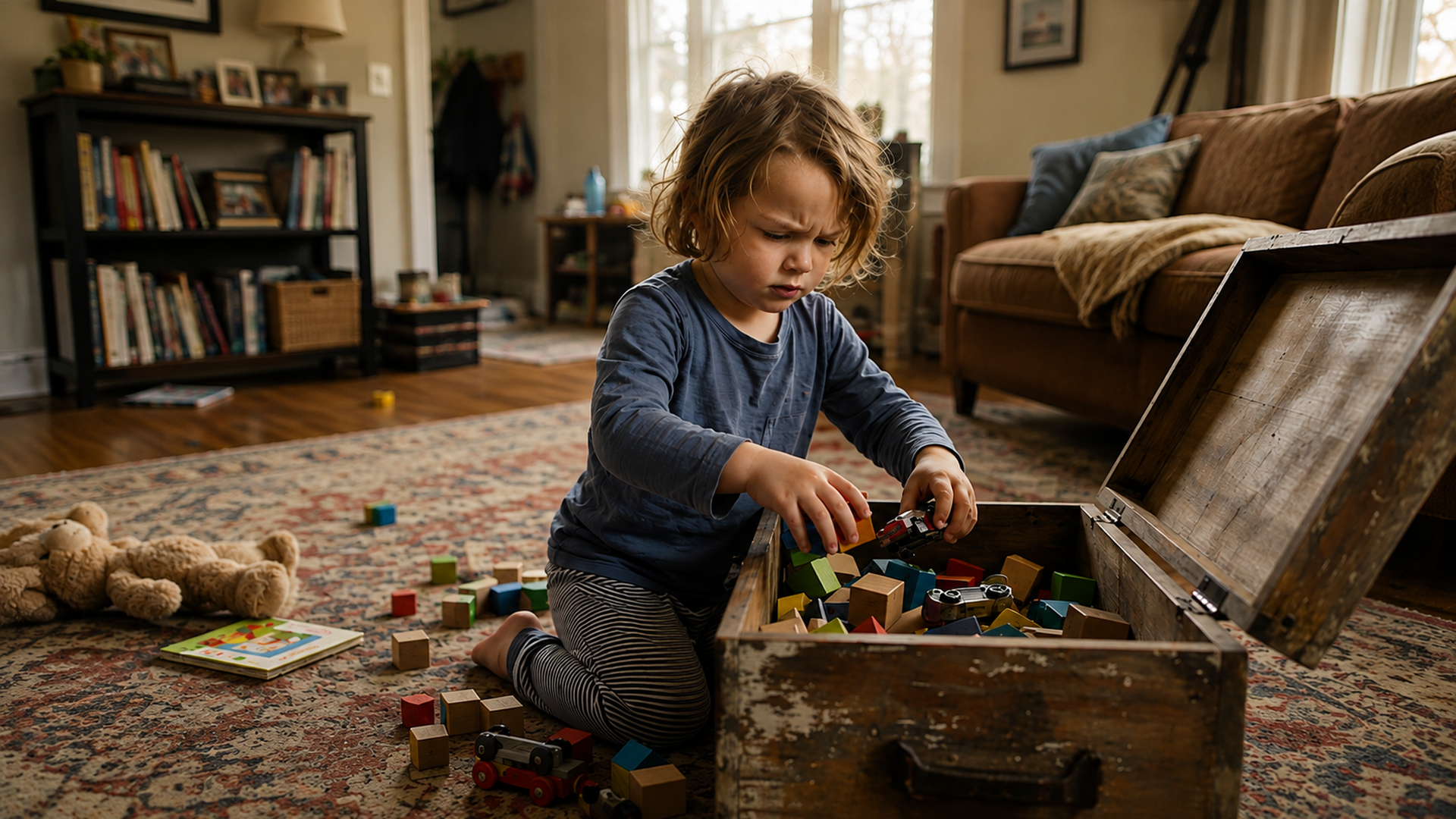
Your daughter botches her piano piece halfway through and immediately slams the lid closed. Your son fumbles a pass in soccer and spends the rest of the game walking around with his shoulders sagging like a wet towel. You say something encouraging, and get a stormy “I don’t care anyway” in return.
It’s a familiar scene in family life. Kids who crumble instead of bounce. Who would rather pretend something doesn’t matter than risk failing at it again.
But it’s not just discouraging. It’s dangerous. Because if we don’t teach our kids to try again, to get up after they fall, we’re setting them up for a lifetime of low ceilings. No real growth. No grit. Just safe, shallow water and an aversion to effort.
That’s where fortitude comes in.
Not as a motivational speech. Not as a sticker chart. But as a lived-in, muscle-building virtue. And ironically, it’s born not in success, but in failure. Specifically, in failure that’s allowed to sting, and still be tried again.
Fortitude Is the Courage to Try Again, Not the Absence of Fear
A lot of people confuse fortitude with fearlessness. That’s not it. Fortitude is what you do with fear. It’s the grit to go back to the game after striking out. The patience to return to the math question that made you cry. The resolve to apologize and start over, even when it’s embarrassing.
The world today rewards performance, not perseverance. And that’s a problem. Because in the long run, the winners aren’t the smartest or smoothest, they’re the ones who keep going when others quit. That’s true in school, in faith, in friendship, and in marriage.
Fortitude means we’re raising our kids to be the kind of adults who can walk into hard things and say: “This is tough. I’m still doing it.”
And they learn that one place: home.
The Death of Fortitude? Perfectionism in Disguise
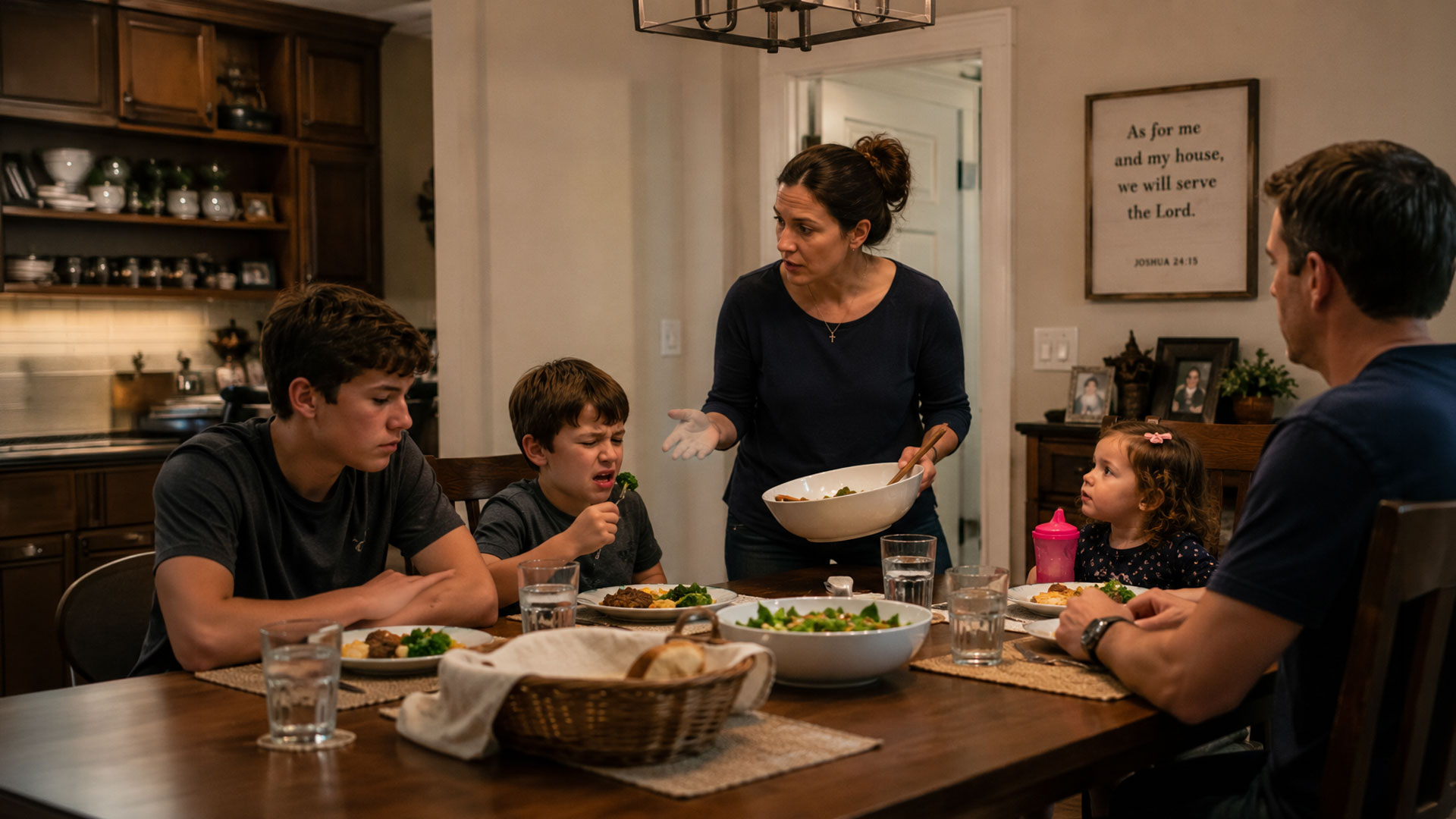
Our culture loves to say “try your best,” but underneath it whispers something else: “Don’t fail.” And kids are catching on. They’re surrounded by perfect Instagram reels, over-produced grades, and the idea that “messing up” is something to be avoided, not grown through.
That’s why so many kids would rather say “I didn’t care” than “I tried and failed.” One feels safer. Less exposed.
But here’s the kicker, when we don’t let kids fail and try again, we’re not protecting them. We’re weakening them. We’re building a foundation of eggshells.
Perfectionism doesn’t teach humility. It teaches hiding. Fortitude, on the other hand, builds truth-tellers. Kids who can admit they messed up, dust themselves off, and keep walking.
Fortitude Is Formed in the Small Moments
Here’s the good news: you don’t need a major crisis to teach fortitude. In fact, the best training happens in the smallest scenes.
When your child wants to quit their piano practice after one flub and you say, “I know it’s hard. Let’s go back and try that measure again.”
When they fall behind in a school project and you guide them through planning, not by fixing it, but by helping them chunk it down and face it.
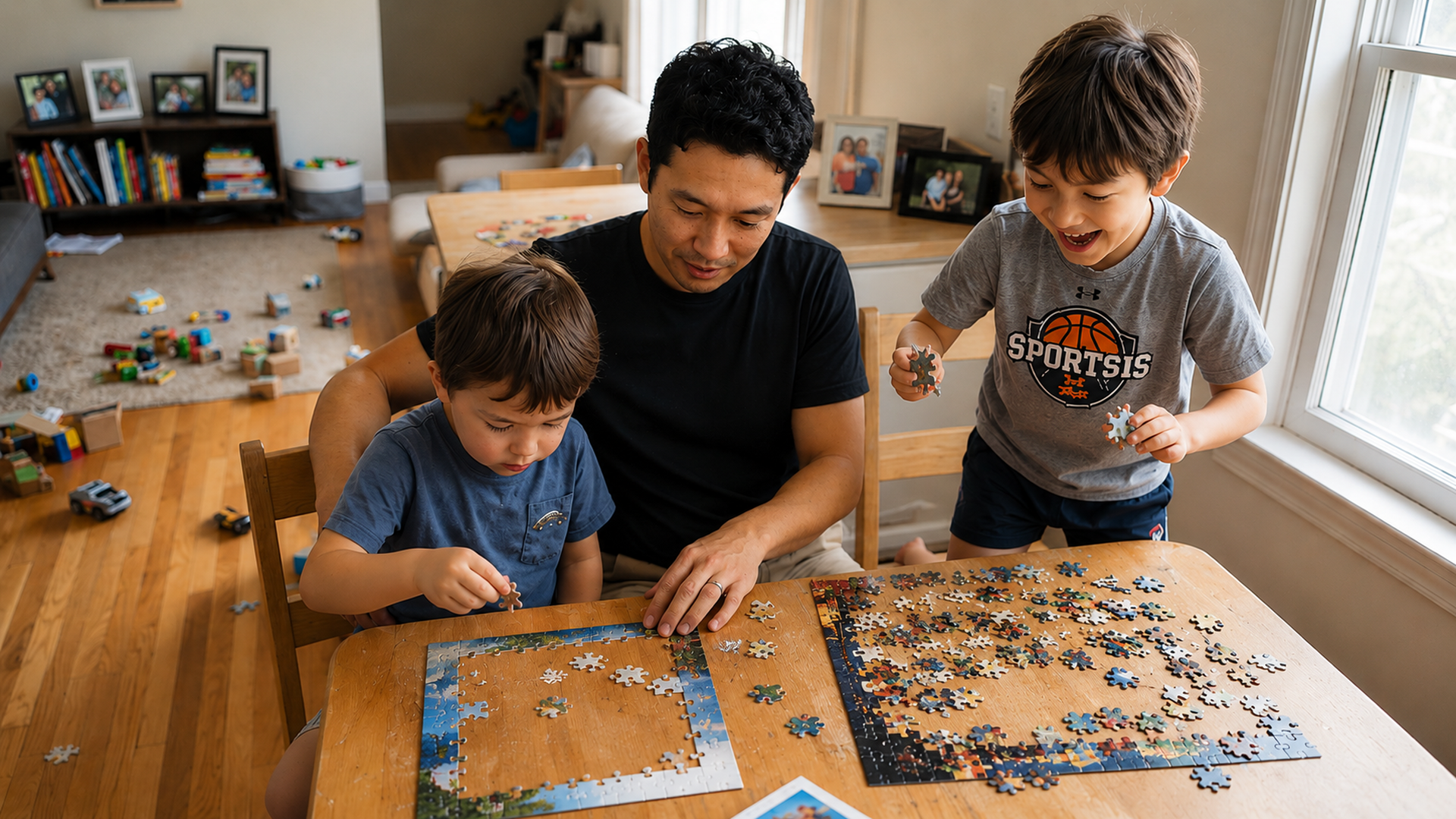
When your toddler spills milk and cries, and you hand them a towel and say, “No problem. Let’s clean it up together.”
Those little nudges matter. They tell your child: failure isn’t fatal. Trying again isn’t shameful. It’s what strong people do.
Why Trying Again Builds Humility, Not Just Grit
Fortitude and humility are often viewed as opposites. One’s strong, the other soft. But in reality, they go hand in hand.
A kid who keeps trying knows they’re not perfect. They’ve tasted failure and kept going. That builds a kind of self-knowledge no trophy can provide.
Humility says: “I need help sometimes.” Fortitude says: “That won’t stop me.”
Together, they form adults who are strong without being arrogant, and grounded without being passive.
And this has massive implications for faith life, too. A child who knows how to try again isn’t scandalized by their own sin. They don’t fall into despair when they mess up. They know how to repent, reset, and walk again, because they’ve practiced it in ordinary life.
Parents Must Let Kids Struggle, Without Jumping In Too Soon
Here’s where it gets uncomfortable: your kid has to struggle. And you have to let them.
That means watching them get a C on a project they left to the last minute. Letting them face the consequences of not setting their alarm. Telling them you won’t be bringing their homework to school when they forget it for the third time this month.
This doesn’t make you harsh. It makes you strategic. Your job isn’t to eliminate every bump in the road. It’s to make sure they learn how to climb them.
You can support, guide, and encourage, but don’t swoop. Don’t fix everything. Because if you do, they’ll never know the high of conquering a problem themselves.
Practical Ways to Build Fortitude at Home
So how do we raise resilient kids in a world that rewards comfort?
Normalize effort. Don’t just praise results, praise the process. “I saw how you kept going even when it got frustrating.”
Let them struggle. Wait before helping. Ask, “What do you think the next step is?”
Reflect on failure. After a rough game or test, talk it through. Not with shame, but curiosity: “What worked? What didn’t?”
Model it. Let them see you try things, fail, and keep going. Whether it’s fixing a shelf or making a budget, narrate your learning process.
Celebrate bounce-backs. Did they redo a bad grade? Apologize sincerely? Praise that more than the original success.
Fortitude isn’t a personality trait. It’s a virtue, trained over time.
When They Want to Quit, And You’re Tempted to Let Them
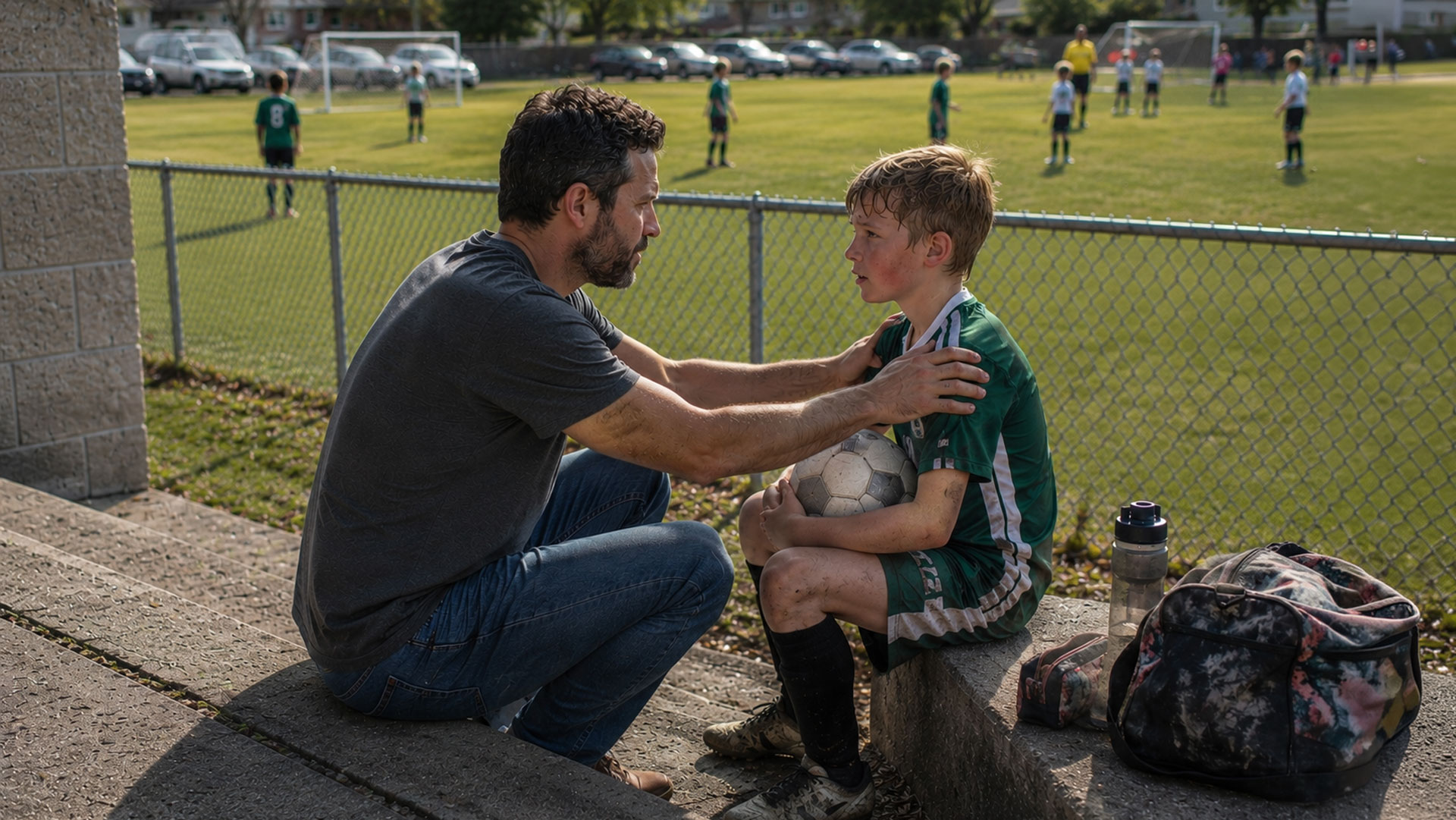
It’s soccer season. Your kid isn’t getting playtime. The coach is tough. They want to quit. You’re tired, too. You want to say yes.
Pause.
Ask yourself: is quitting an act of discernment, or an escape?
Sometimes, kids should quit. But more often, they’re asking for relief, not resolution.
Have the hard conversation. Walk them through their motives. Invite them to finish the season, even if it’s tough.
Not because sports are sacred. But because fortitude is. Because they need to learn how to finish what they started, even when it stops being fun.
Faith, Fortitude, and the Long Game
In the Christian life, fortitude is essential. Saints weren’t superheroes. They were people who kept walking toward Christ, even when it was dark. Even when they fell.
Teach your kids that trying again is holy. That God is proud not of their record, but of their resolve.
That prayer can be dry. That faith has valleys. That love requires commitment when the feeling fades.
This isn’t just about life hacks. It’s about heaven. Fortitude trains kids to keep saying yes to God, again and again, even when it’s hard.
You Don’t Have to Be Perfect, You Do Have to Get Back Up
If you want kids who shine at spelling bees, teach them tricks. If you want kids who shine in life, teach them fortitude.
That means letting them mess up.
Letting them feel frustration.
Walking with them, not around the pain, but through it.
Every time your child tries again after failure, they’re building something. Not just skill. Not just success. But soul.
You don’t have to be the perfect parent. But you do need to be the kind of parent who doesn’t give up, on yourself, or on them.
Because fortitude isn’t taught by speeches. It’s taught by love that says: “Let’s go again.”