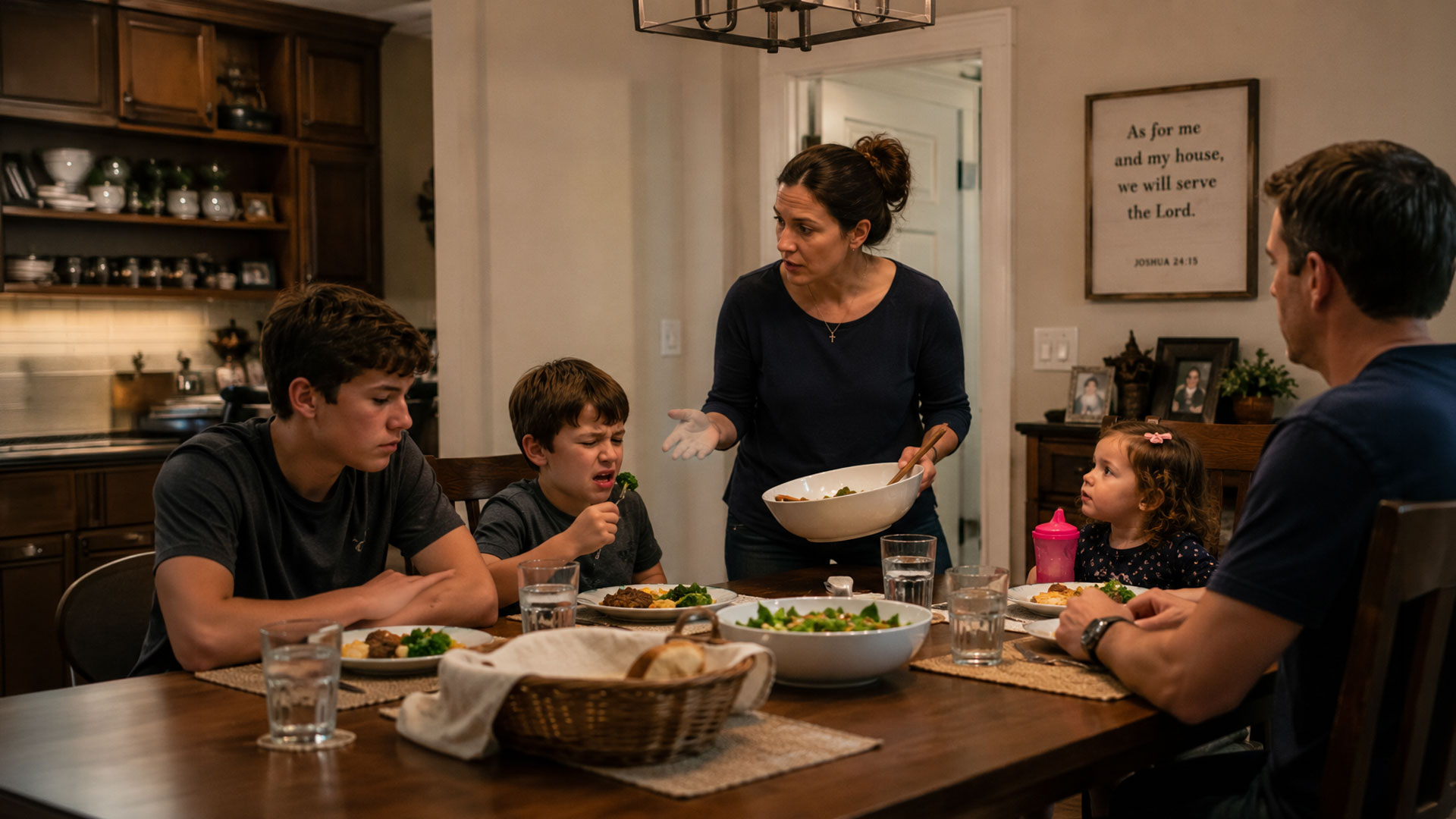
The Missed Moment
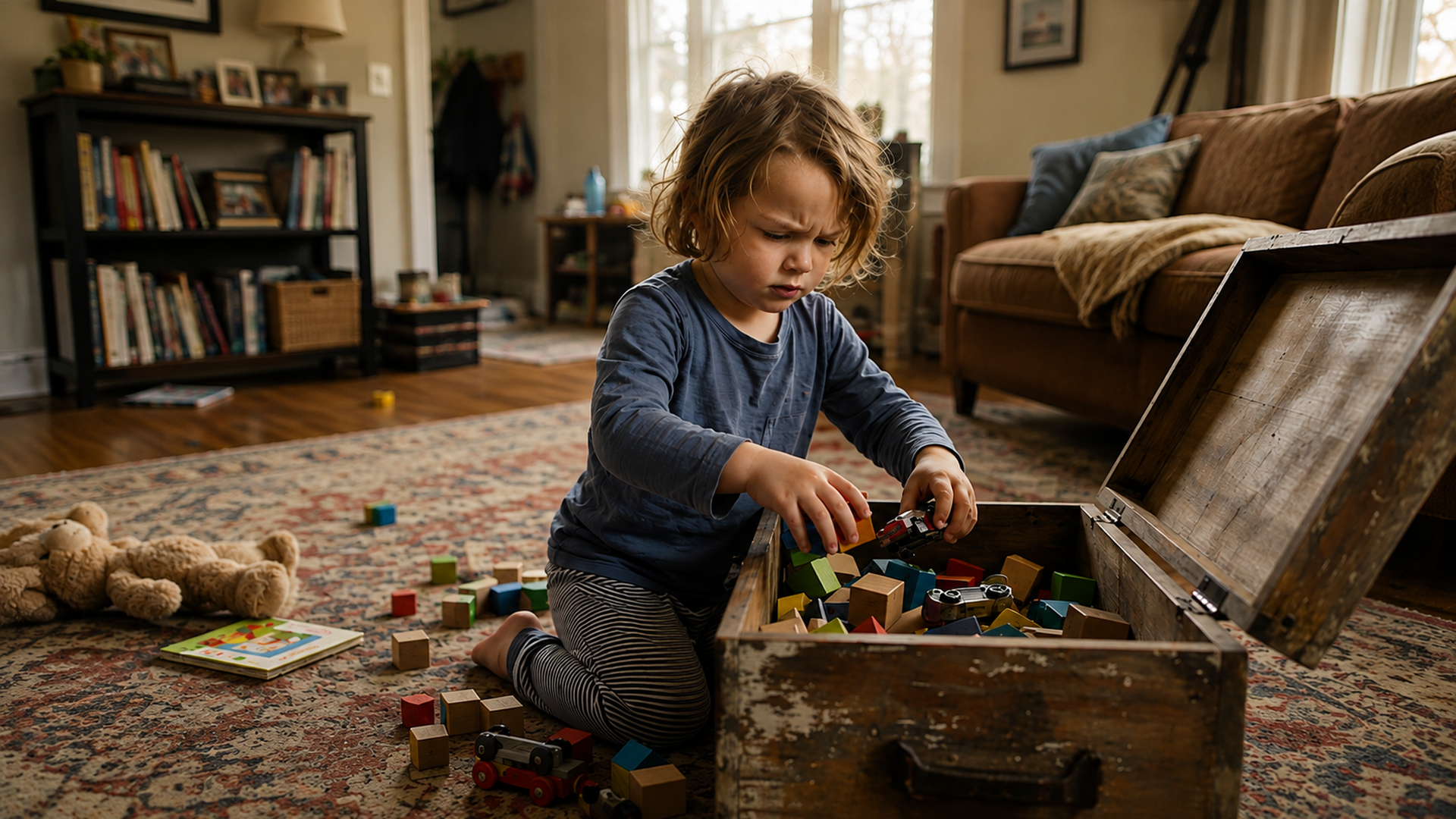
You’re halfway through replying to an email when a crash sounds from the next room. A fight over a toy erupts. You yell out a half-hearted, “Hey, knock it off!” without looking up. They quiet down, sort of. A few minutes later, someone’s crying.
You sigh, close your laptop, walk in, and try to piece together what happened. The story is fuzzy. Your reaction is short. The moment passes. And once again, a discipline opportunity came and went, and you weren’t really there for it.
You’re not a bad parent. You’re just busy. Distracted. Overloaded. And that’s exactly why this article matters.
Because correction, real, effective, formative correction, requires presence. Not just reaction. Not just words from the other room. Not a texted consequence or a bedtime lecture. Presence.
This isn’t about perfection or hovering. It’s about the simple, radical truth that if you want to shape your child’s heart, you have to see them first. And to see them, you have to be with them.
Modern Parenting Is a Game of Catch-Up
In today’s world, we parent from behind.
We catch problems after they explode. We address behavior after the damage. We punish what we didn’t notice until it became public.
We chase symptoms instead of forming habits. And then we wonder why nothing sticks.
It’s not that we don’t care. It’s that we’re stretched so thin, we’ve outsourced our eyes. Teachers see what happens at school. Coaches see what happens at practice. Screens babysit the downtime. Grandparents spot the bad moods. And we get what’s left, the wrap-up, the report, the apology after the fact.
We try to correct from the outside in, instead of forming from the inside out.
And it all starts with this: we weren’t there when it mattered most.
Not because we’re bad parents. But because presence has become optional.
And it can’t be.
Correction Without Context Falls Flat
When you discipline a child without having seen what led up to it, without watching the tone, the trigger, the timing, you’re operating on hearsay.
You can deliver a consequence. But you can’t deliver formation.
You don’t know who started it, or what built up to it, or how it could’ve been avoided. You only know the outcome. And reacting to the outcome alone leads to rules without relationship.
That’s when your kids start to feel misunderstood. “He started it and no one saw!” “You always assume it’s me!” “Why are you yelling? I was trying to help!”
They’re not just being dramatic. They’re trying to tell you that something deeper was happening, something you missed.
Correction is meant to guide the conscience. To do that, you have to know what’s actually going on in their heart.
And that starts with being there when it happens.
The Myth of Precision Parenting
You can read all the parenting books. Learn every theory. Memorize developmental stages and ideal consequences.
But none of that matters if you’re not around enough to apply it.
You can’t out-strategize absence.
Precision means nothing without presence. And presence doesn’t mean micromanaging, it means witnessing.
Being in the room when the tension starts.
Hearing the way your child speaks to a sibling.
Noticing the patterns of distraction, frustration, or defiance.
You can’t form what you can’t see. And no algorithm or tip sheet can replace what you learn by simply being in the room consistently.
You’re not there to pounce. You’re there to understand.
Because correction that’s rooted in relationship will always go farther than discipline dropped from above.
Presence Builds the Trust That Makes Correction Work
You can’t just swoop in during conflict and expect your child to receive the correction with humility and grace, especially if they haven’t seen your presence the rest of the day.
Correction without relationship feels like punishment. Correction rooted in presence feels like guidance.
When your kids know you’ve been around, really around, they trust your feedback. They know you’re not just reacting to the loudest noise. They know you understand the nuance. They believe that your word carries weight because your eyes have been paying attention.
That doesn’t mean they’ll like it. But they’ll receive it.
Trust is built in the quiet, ordinary, in-between moments. And that trust is the soil where real correction takes root.
Why We Drift From Presence
Let’s be honest. We drift for good reasons.
You’re working long hours. You’re answering urgent emails. You’re doing laundry, making dinner, cleaning up messes. You’re managing a thousand invisible things.
Presence is hard when productivity feels like survival.
And when you do get a moment to breathe, it’s easy to reach for your phone instead of entering into another sibling dispute or half-baked story about Pokémon or a long-winded question about bugs.
But here’s the quiet danger: over time, your child learns to live without you watching.
They stop bringing you things. They stop asking for help. They stop letting you in.
And then, when something big breaks down, you’re trying to rebuild from the outside.
Presence is costly. But the alternative costs more.
Start With Small, Intentional Rhythms
You don’t need to be on top of your child every minute. In fact, please don’t be. But you do need a predictable presence.
This isn’t about hovering. It’s about being available enough that formation becomes a natural part of the day, not an emergency measure when things go wrong.
That might mean:
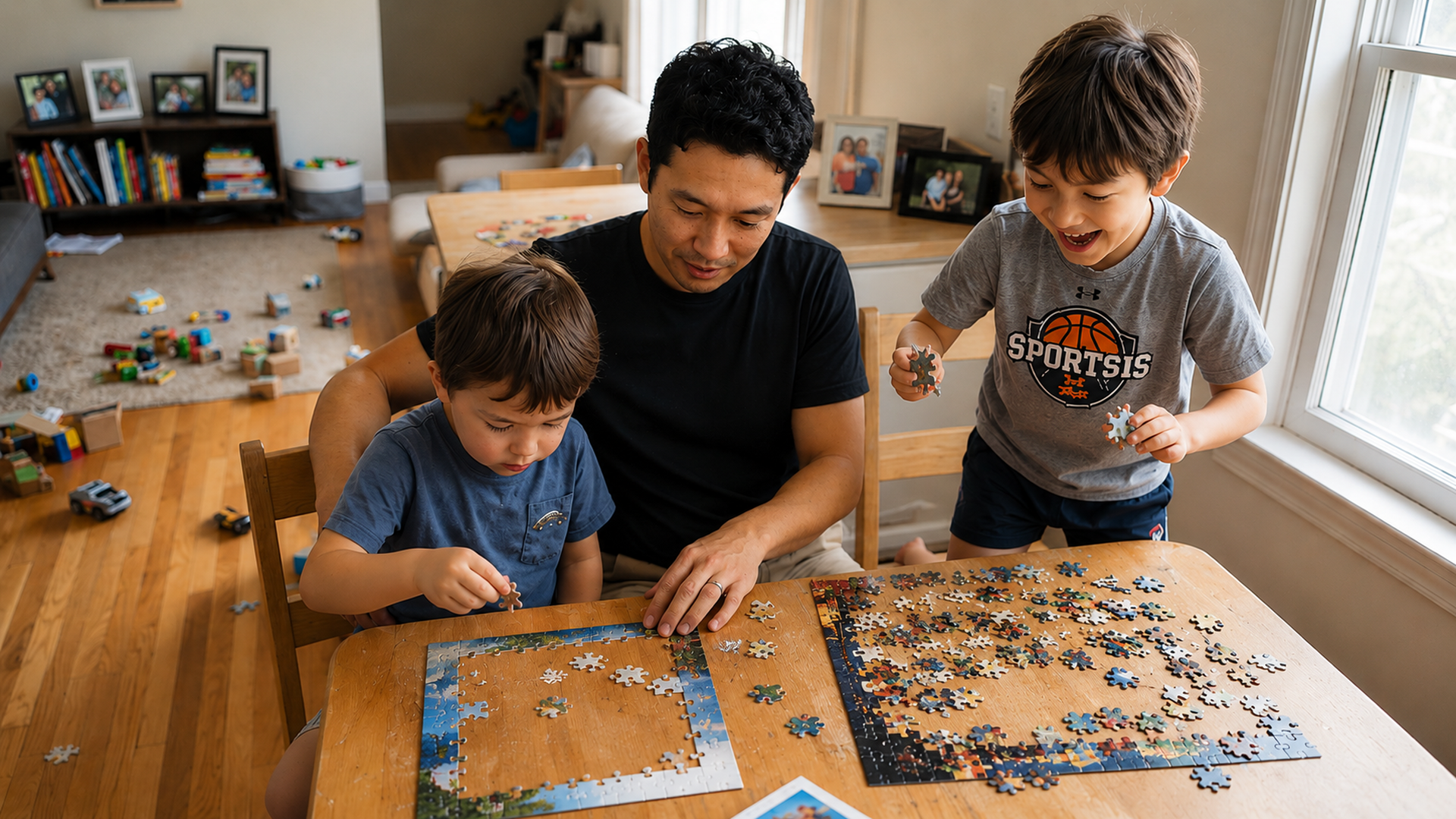
Sitting with them while they do homework, even if you’re just nearby reading.
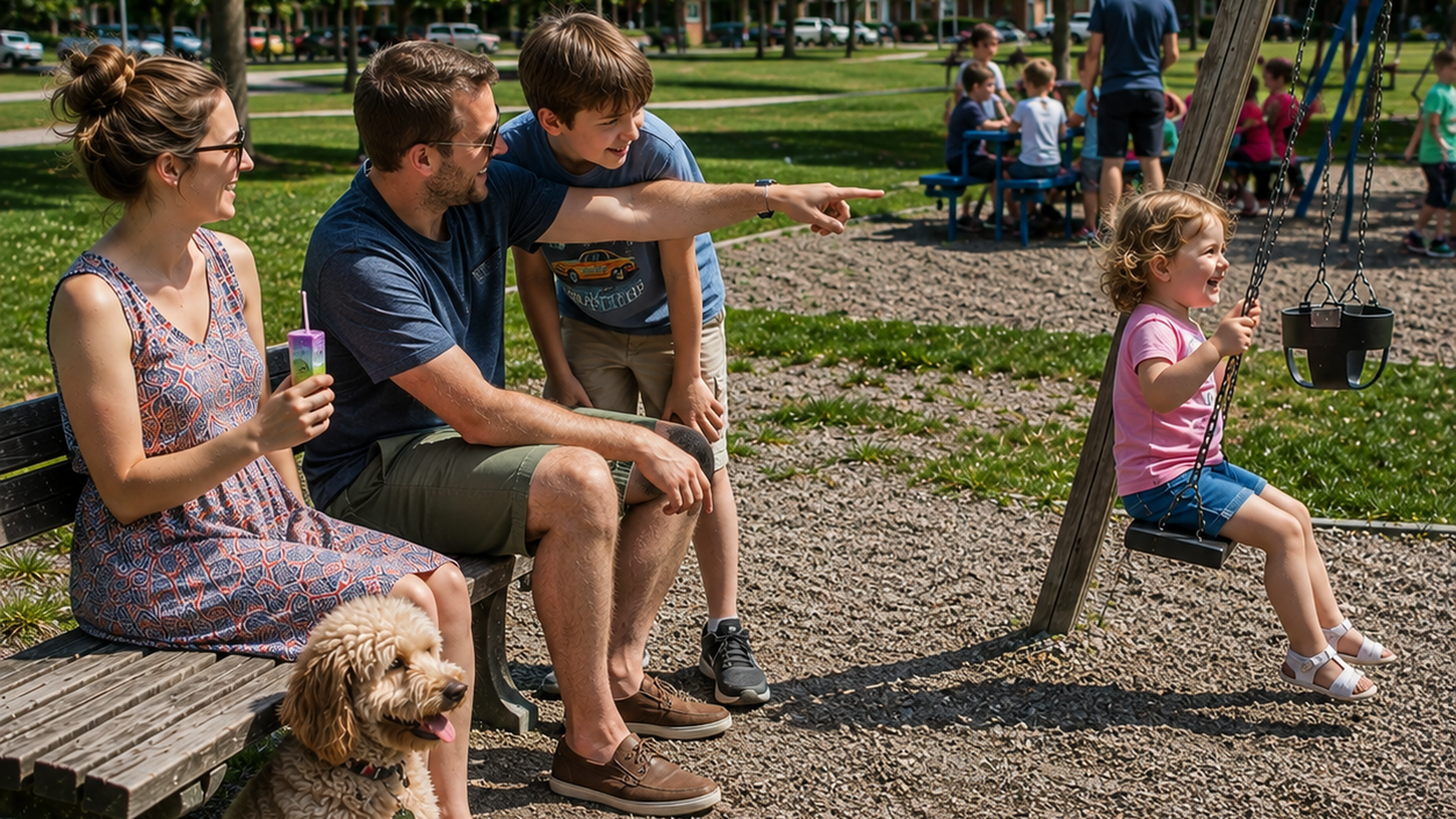
Being physically present during play, not to police it, but to observe the dynamics.
Carving out 10 minutes after school where you just listen, not interview.
The goal is not perfect visibility. It’s reliable nearness.
The more your kids feel you watching, not judging, but witnessing, the more teachable they become.
Because formation doesn’t happen in correction alone. It happens in rhythmic presence.
You Learn Their Patterns When You’re Around
Presence gives you insight that no secondhand report can.
You begin to notice that one child starts teasing when they’re tired. That another shuts down when rushed. That your daughter’s sass isn’t defiance, it’s insecurity masked in humor.
You start to see the why behind the what.
And that changes everything.
You go from punishing surface behavior to forming the soul underneath it.
You begin to coach instead of criticize.
You guide them in truth and grace because you actually understand what’s going on.
And that kind of parenting leaves a mark.
Not because you got the consequence exactly right, but because you saw your child for who they really are.
Presence Makes the Difference in the Long Game
What you’re building isn’t short-term obedience. It’s long-term conscience.
You want your child to eventually carry that inner voice with them, to pause, to reflect, to do the right thing even when you’re not there.
But that interior voice starts by echoing yours.
And your voice only becomes echo-worthy if it’s been nearby enough to earn credibility.
They need to hear your tone, not just your volume.
They need to see your patience in real-time, not just hear your expectations at bedtime.
They need to know you’re there, not just when they fail, but when they’re forming.
Because presence is where conscience gets shaped.
You Don’t Have to Be Perfect, Just Predictable
This is not a guilt trip. You’re human. You can’t always be in the room. You’ll miss things. You’ll react poorly. You’ll get tired and tune out.
But presence doesn’t require perfection. It requires returning.
Keep coming back. Keep drawing near. Keep noticing what they need before it becomes a meltdown.
And when you miss it, say so.
“Hey, I wasn’t really present earlier when you were struggling. I’m sorry. Want to talk now?”
Those moments of humility teach more than your best lecture ever could.
Because they show your child that presence isn’t just about you watching them. It’s about you being formed, too.
What Your Kids Remember Isn’t Your Words, it’s Your Witness
Years from now, your children won’t remember every rule, every timeout, every moment you “handled it right.”
But they will remember whether you were around.
They’ll remember whether you looked up when they walked in the room.
Whether you heard the tone in their voice before they exploded.
Whether you noticed the silent tears after the argument.
Whether you corrected them out of love, or just out of frustration.
You can’t correct what you don’t see.
But when you do see, when you’re really present, your correction doesn’t just adjust behavior. It builds trust.
And that trust is the foundation of everything that matters.
Show Up Before You Speak Up
In the end, parenting isn’t about having all the right responses. It’s about having the right presence.
Because no strategy, no consequence, no perfectly-worded lecture can replace the power of a parent who sees their child before trying to shape them.
Presence gives you insight. It builds trust. It softens resistance. It deepens correction. It forms the conscience.
So if you’re tired of discipline falling flat, start by asking: Was I really there for this?
And then choose to return.
Choose to sit on the floor. Choose to be in the room. Choose to listen, to watch, to stay nearby.
Not because you need to control, but because you’re committed to form.
Correction without presence is noise.
Correction with presence? That’s formation.
And formation, done in love, done over time, with patience, with rhythm, with nearness, that’s what changes lives.
That’s what builds saints.
And it all starts by simply being there.