“Did You Finish That Worksheet?”
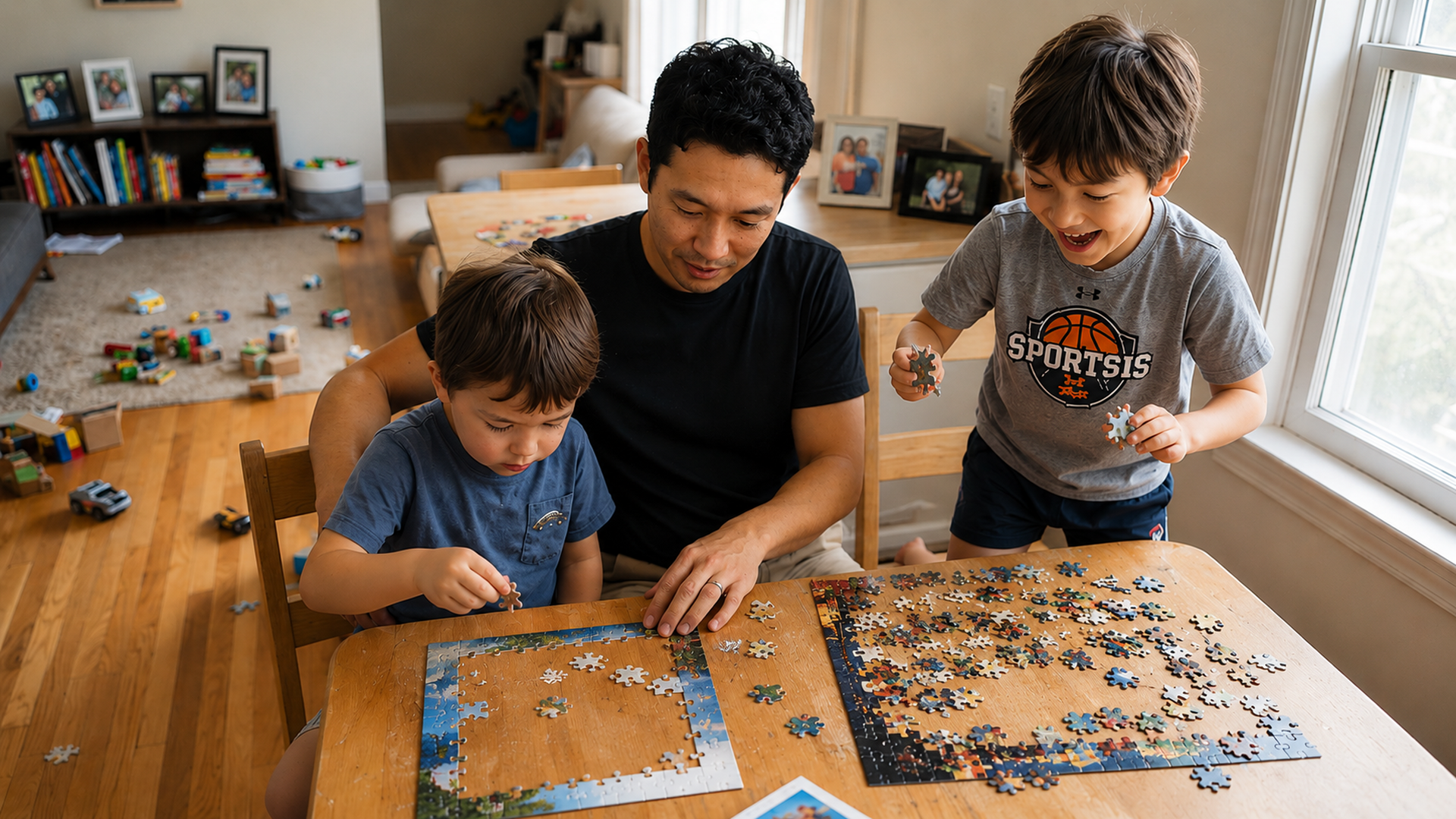
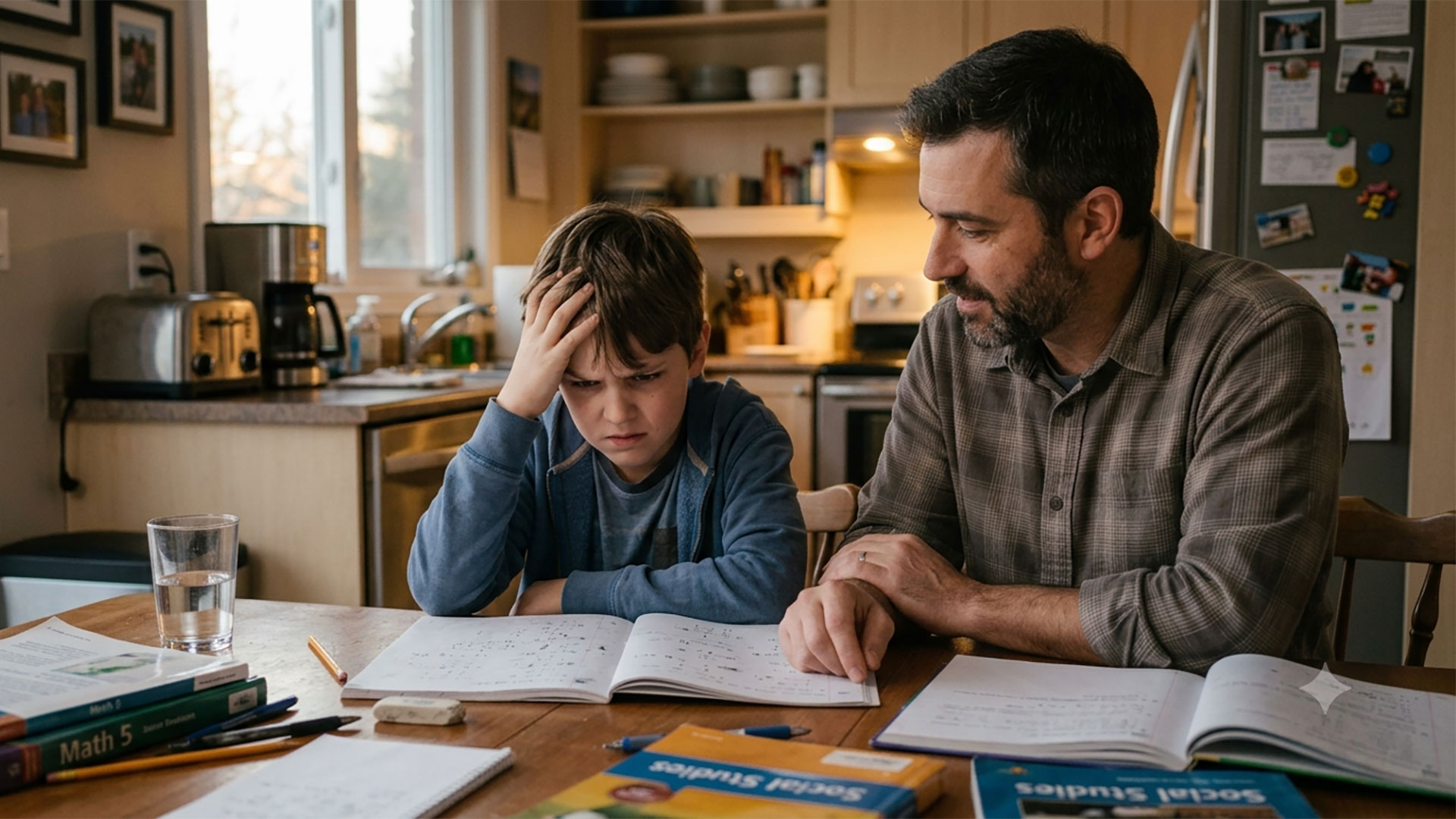
It’s 8:43 p.m. and your child is hunched over the kitchen table, pencil tapping, eyes glazed. There’s a math sheet half-filled, a reading log unsigned, and tomorrow’s spelling test still floating somewhere in the back of their brain. You try to stay calm, but the question escapes: Why didn’t you start earlier?
They shrug. You sigh. The cycle repeats.
Most parents have had nights like this. You want your child to succeed. You want them to be responsible. And on a practical level, you want the homework done, preferably without a full-blown power struggle.
But here’s the deeper truth: the actual worksheet isn’t the most important thing happening at that table.
What matters more than the assignment is the habit. The long-term formation happening quietly underneath the spelling lists and math drills. Because how your child learns to approach work, manage time, handle pressure, and persevere through boredom, those things shape them far more than their GPA ever will.
This article is about shifting your perspective as a parent, from chasing academic performance to forming virtue through routine. It’s about teaching your kids how to work, not just what to finish. Because the homework may be due tomorrow, but the habits will last a lifetime.
Why We Get So Wrapped Up in Homework
Homework triggers a lot of emotions in parents, especially if you care about your child’s success.
It feels like a test of everything: discipline, intelligence, parenting, future opportunity. It’s easy to let one assignment feel like the hinge of their entire academic story.
But the real reason homework becomes stressful isn’t just the content, it’s what we think it reveals.
We worry: Are they falling behind? Are we too lenient? Should we push harder? What will the teacher think?
Those concerns are natural. But they often lead us to focus on the wrong thing: the product instead of the process.
We ask, “Is it done?” when we should be asking, “How did you approach it?”
Because the mindset they bring to homework is the same mindset they’ll bring to bigger things: jobs, relationships, faith.
You’re not just raising a student. You’re raising a worker. A thinker. A person who knows how to start, struggle, finish, and reflect.
And that’s the deeper purpose of homework, even if no one ever says it out loud.
Habits Over Hustle
A child who scrambles every night, pulls late work together in a panic, and memorizes for the test but forgets it all by Friday might still get good grades.
But that same child may not be forming the habits that will carry them into adulthood.
Academic success without interior formation is a hollow win.
The real goal isn’t hustle, it’s habit. Repeated actions that build responsibility, attention to detail, time management, and perseverance.
That means showing up even when it’s boring. Starting early even when there’s time to procrastinate. Finishing well even when no one is watching.
Those are the habits that last. And they’re formed one Tuesday night at a time.
Why Homework Battles Feel So Personal
It’s not just about the homework. It’s about what it triggers.
When your child resists, forgets, lies about finishing, or whines their way through every worksheet, you can feel disrespected. You feel like they’re ignoring your values. You might even feel like they’re wasting the sacrifices you’ve made.
But here’s the thing: they’re still learning. And so are you.
Homework brings out the parts of your child that still need to grow: laziness, distraction, defiance, discouragement.
That’s your classroom, too.
Instead of taking it personally, try asking: What’s this moment inviting me to teach?
Patience. Clarity. Consistency. Even a little detachment.
When you stop seeing homework as a referendum on your parenting, you’re free to lead, not just react.
Consistency Beats Intensity
One of the biggest mistakes families make is trying to “fix” the homework problem with one big effort.
The color-coded calendar. The study contract. The motivational speech.
These might help for a week. But what really forms a child is not a single sprint. It’s consistent rhythm.
Set up a regular time and place. Make it non-negotiable but manageable. Keep the tone calm. Don’t rely on bribes or threats.
The point isn’t to make every homework session perfect. It’s to make the routine predictable.
Because habits are like muscles. They don’t grow through emotional hype. They grow through steady use.
You want your child to learn: This is what we do. This is who I’m becoming.
That mindset will serve them long after they stop handing in worksheets.
Let Them Feel the Weight
Sometimes we step in too much. We remind, nag, check every answer, pack every folder.
We do it out of love. But often, we’re shielding our child from the very thing that forms them: the consequence of their own choices.
Let them forget. Let them face the teacher. Let them feel the embarrassment of a missed assignment. Let them wrestle with a poor grade, not with shame, but with ownership.
You’re not punishing them. You’re giving them the space to grow.
This doesn’t mean abandoning them. It means guiding them from beside, not dragging them from ahead.
Ask questions: “What’s your plan for tonight?” “What do you need from me to be successful?” “How will you make sure that doesn’t happen again?”
The goal isn’t constant supervision. It’s gradual independence.
And that happens one decision at a time.
Boredom Is Not a Crisis
Many kids hate homework because it’s boring. That’s normal.
But boredom is not a problem to be solved, it’s a muscle to be trained.
Every virtue, patience, endurance, discipline, grows in boredom.
If we teach our kids that boredom means something is wrong, they’ll never persist through anything hard. Not marriage. Not faith. Not work. Not prayer.
So when your child says, “This is pointless,” don’t rush to prove otherwise. Don’t try to make everything fun.
Instead, say: “Sometimes work is boring. And we still do it.”
That lesson is worth more than the worksheet itself.
You’re Not Their Teacher, You’re Their Coach
You don’t have to know the math. You don’t have to check the grammar. You don’t have to solve every problem.
Your job isn’t to be the expert. It’s to coach the process.
That means staying positive. Asking good questions. Helping them break big tasks into small ones. Encouraging persistence. Celebrating effort.
Let the teacher worry about the content. You worry about the habits.
Because if you raise a child who learns how to work, they’ll be able to learn anything else they need to know.
When They Melt Down
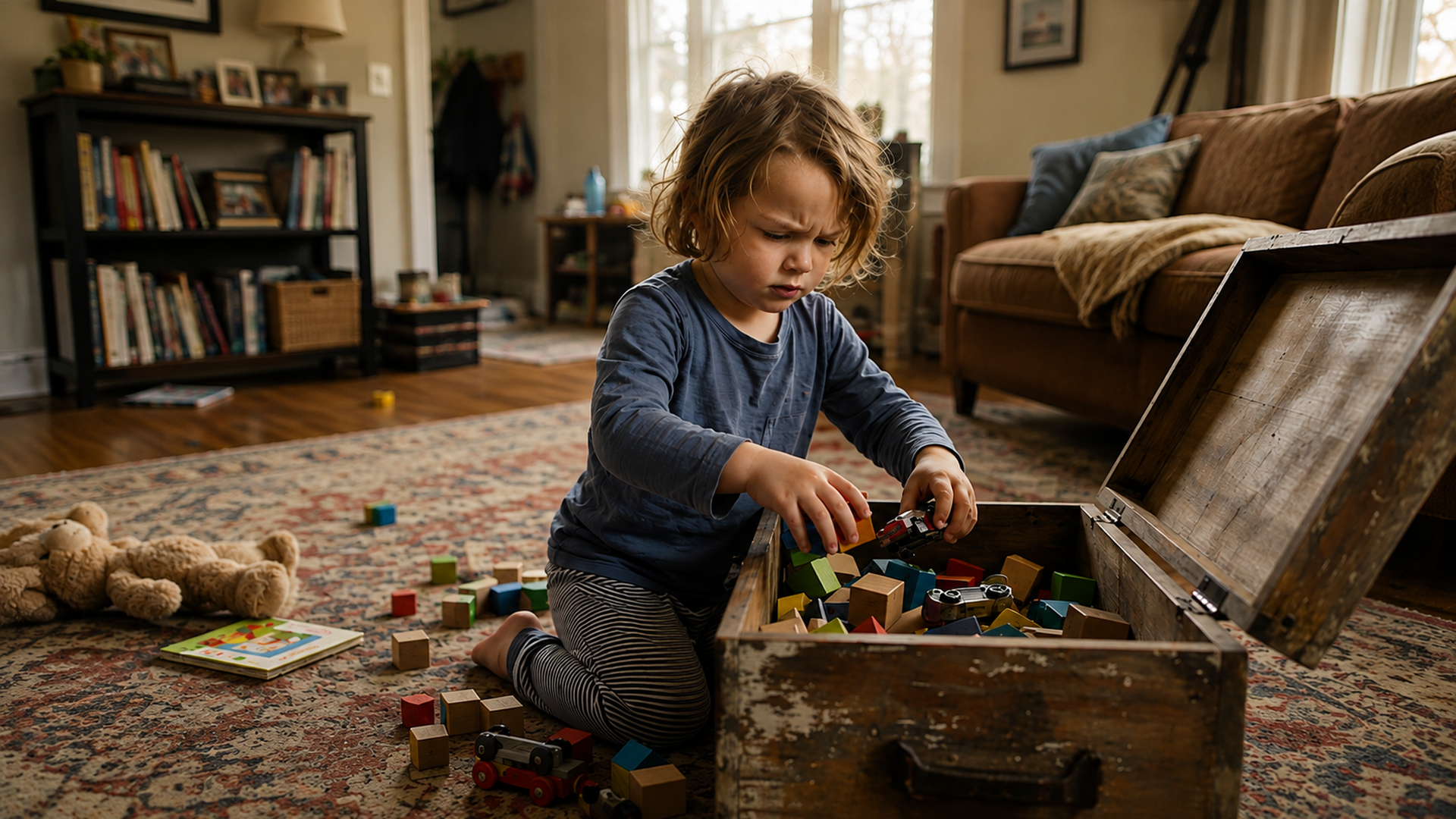
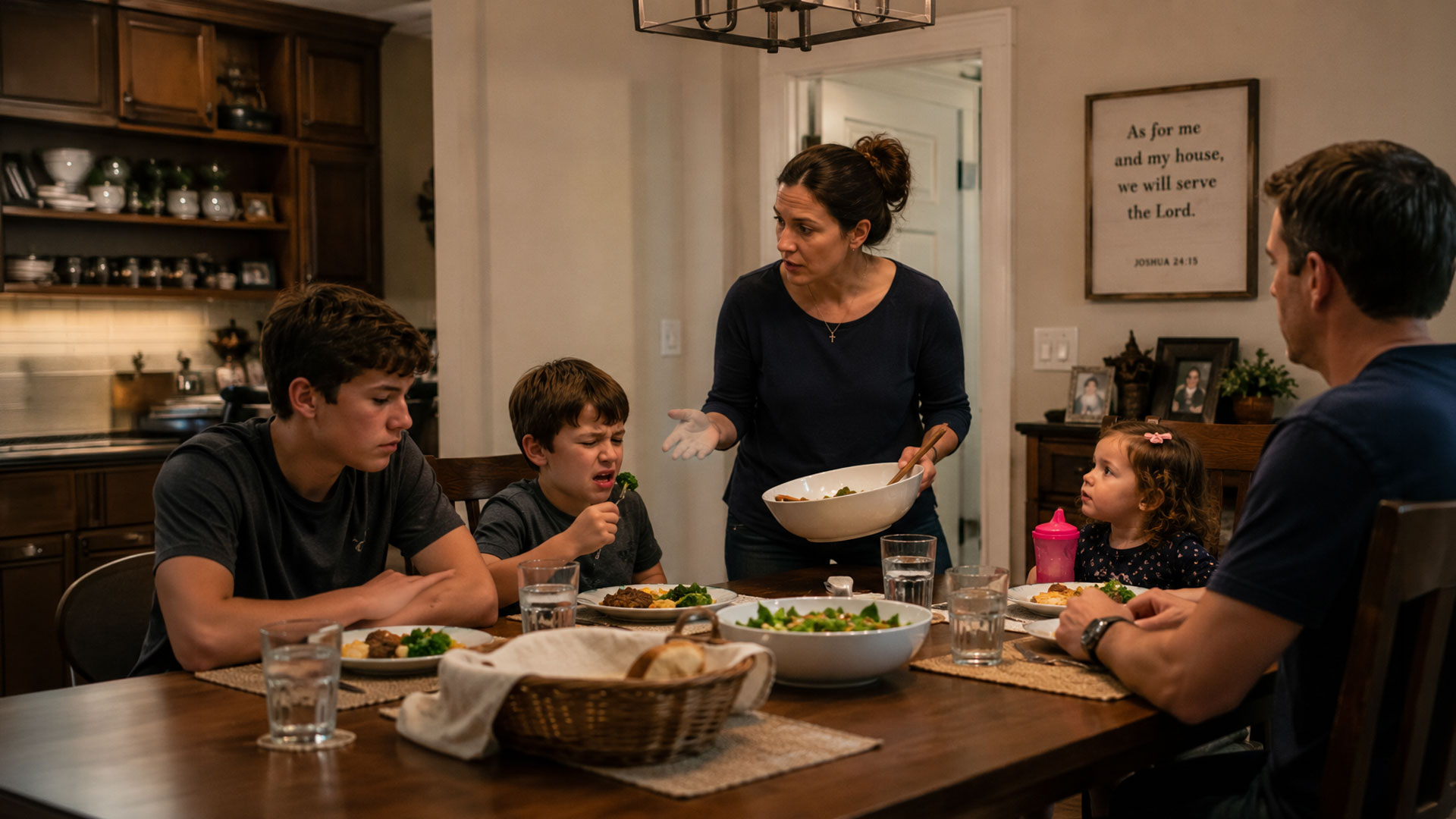
There will be nights when everything goes sideways.
They’ll cry over a long assignment. You’ll snap after repeating yourself five times. The printer won’t work. The Wi-Fi will crash. Someone will yell.
That doesn’t mean you’re failing. It means you’re human.
When the tension rises, take a step back. Pause the work. Take a short walk. Make a cup of tea. Reset the room.
Then, when everyone’s calm, say: “Let’s try again.”
Model the very habits you want them to build: flexibility, self-awareness, recovery.
That’s what teaches them more than any polished plan.
What Matters More Than the Grade
Some parents obsess over results: Did they get an A? Did they win the award? Did they beat the curve?
But others give up entirely: “I just want them to pass. It’s not worth the fight.”
Both extremes miss the point.
What matters more than the grade is the growth.
Did they try?
Did they learn something new?
Did they take responsibility?
Did they recover from failure?
Grades may open doors. But habits build character.
And in the long run, character is what sustains success, not just in school, but in life.
Make the Home a Place of Rhythm, Not Pressure
Your home doesn’t need to be a library. It needs to be a formation ground.
A place where work happens at the same time each day. Where complaints are heard but not obeyed. Where excellence is expected, but process is praised.
Where the goal is not perfection, but growth.
That kind of home doesn’t happen by accident. It happens by daily effort. By modeling the very habits you’re asking your kids to form.
When they see you working hard, finishing tasks, prioritizing prayer, keeping commitments, they learn: This is what it means to be mature.
That’s a far better education than anything they’ll find in the textbook.
Build the Worker, Not Just the Student
You’re not raising a test-taker. You’re raising a soul.
The homework is just a tool, a training ground for deeper things: attention, discipline, integrity, perseverance, purpose.
Some nights it will feel like a grind. Some nights it will end in frustration. Some nights you’ll wonder if it’s even worth it.
It is.
Because your child is learning more than algebra. They’re learning who they are when things are hard. What they do when they don’t feel like it. How they recover when they fall behind. Where to turn when they feel overwhelmed.
And they’re learning all of it, at your kitchen table.
So keep showing up. Keep walking with them. Keep repeating the rhythm.
Because in the end, the grade will fade. But the habits won’t.
And those habits will be the foundation they stand on for everything else that matters.