When the Lego Hits the Fan
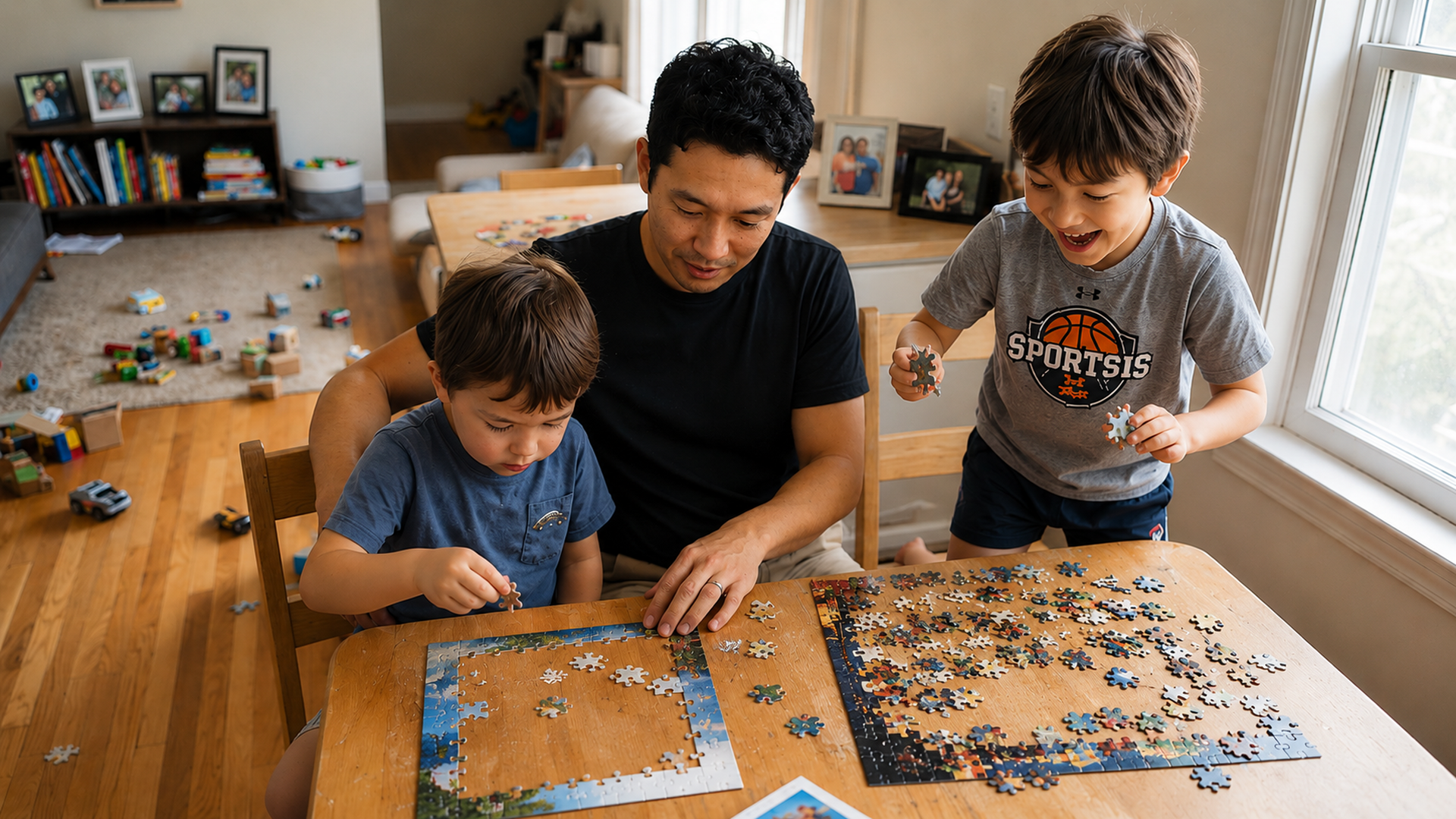
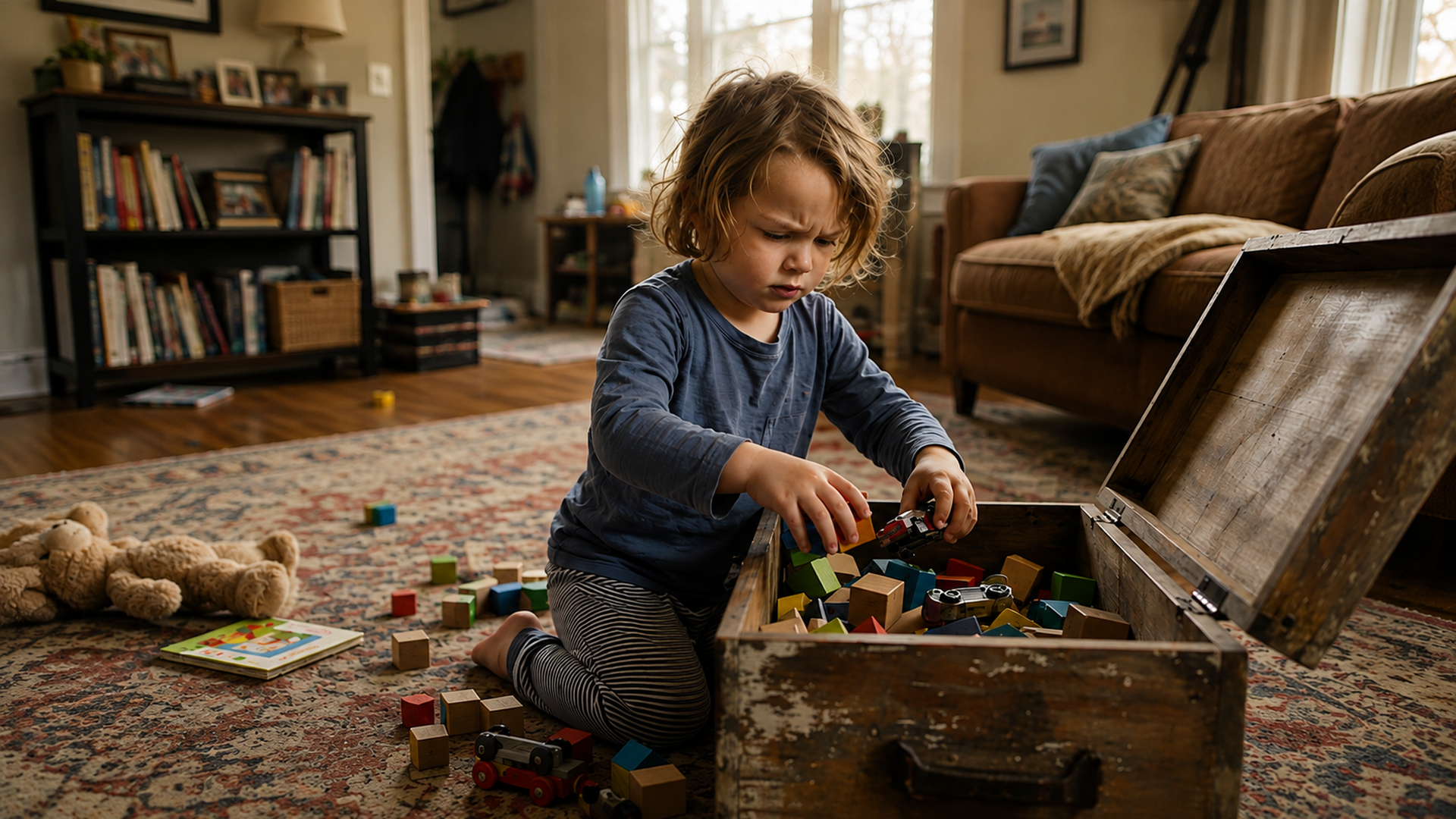
There’s a unique kind of pain in stepping on a Lego at 6:15 a.m. It’s physical, yes, but it’s also existential. You’re late for work. The toddler’s singing the same line from Moana on loop.
And now, cluthcing your toe, you look around and realize something: the house is chaos. The shoes are missing. The dishwasher’s full. You can’t see the floor in your son’s room.
And beneath the noise is that deeper ache: if this mess is outside me, what does that say about what’s going on inside?
Welcome to the underrated virtue of order.
In 12 Rules for Life, Jordan Peterson argues that cleaning your room isn’t just about tidiness, it’s about taming the chaos around you so you can face the deeper chaos within you.
When we apply this to parenting, it becomes a question not just of aesthetics, but of formation: Are we teaching our kids to live in order, or survive in disorder?
Because order isn’t about being a neat freak. It’s about being a stable person. It’s about forming children who can make sense of the world, take responsibility, and live with peace in the middle of pressure.
And let’s be honest: in today’s culture, that’s about as countercultural as it gets.
Let’s talk about why order matters, how it shapes character, and how to raise kids who don’t just clean up their rooms, but learn how to clean up their lives.
Chaos and Kids, Why Disorder Drains Them (and You)
Disorder is loud. It’s not just physical noise, it’s mental noise. When a child’s environment is cluttered, their brain doesn’t know where to focus.
You see it in their play: they bounce from one toy to the next, start but never finish games, get frustrated faster. It’s like their little minds are being pulled in ten directions at once.
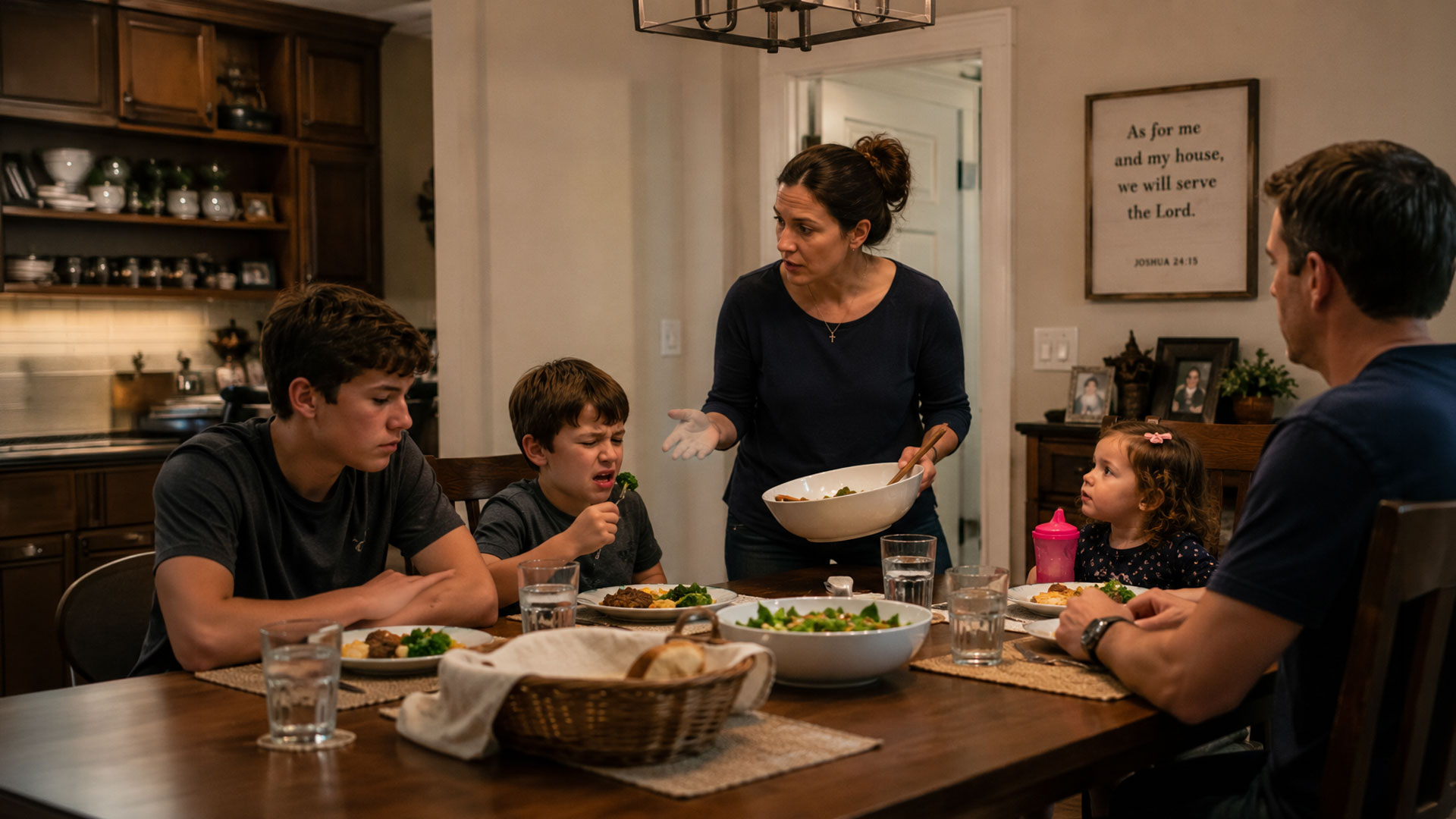
And we feel it too. As parents, when our home life is disorganized, schedules unclear, routines broken, meals chaotic, we start reacting instead of leading.
Suddenly, discipline becomes about crisis control. Conversations turn into corrections. And we live in that low-grade hum of stress that never quite goes away.
Peterson writes that order is the antidote to chaos. And he’s right. But order isn’t just about having matching bins in your pantry.
It’s about knowing what happens next. It’s the rhythm that lets a child breathe. It tells them, “This is how we do things in our home. This is who we are.”
In a world of endless choice and digital noise, order provides a moral and emotional anchor. It slows things down. It protects space for reflection, prayer, family meals, real play, not just dopamine-driven stimulation.
So no, teaching a child to make their bed doesn’t just make the room look better. It makes them stronger.
The Habit Loop, Why Small Acts of Order Create Big Interior Strength
James Clear (of Atomic Habits) says that habits are the architecture of daily life. Peterson builds on that: order, in the smallest forms, gives us the strength to face bigger challenges.
So when your seven-year-old puts their shoes away without being asked? That’s not just convenience.
It’s self-discipline. It’s the early wiring of responsibility, doing the right thing even when no one’s watching.
What starts with making the bed becomes doing homework before gaming. What starts with putting dishes in the sink becomes controlling your tone when you’re mad.
The small wins stack. Over time, your child begins to see themselves as someone who follows through. That’s identity formation. And identity fuels action.
But here’s the kicker: they don’t build that strength through lectures. They build it through doing. Daily. Repeatedly. Even when it feels dumb. Even when they groan, especially when they groan.
Because the will isn’t trained in big heroic moments. It’s trained in the Tuesday morning slog of, “Yes, I know you did it yesterday, but you still need to do it again.”
Parents often say, “I just want them to do it without me asking.” Great goal. But that takes time. It’s not about controlling them until they submit.
It’s about inviting them into a vision of order that gives them freedom.
Order and Freedom, The Paradox They Need to See
There’s a myth that order limits freedom. “Don’t box them in,” the culture says. “Let them choose who they want to be.” But here’s the truth: Freedom without form becomes slavery.
A child who never learns to eat at regular times? Becomes the adult who stress-eats at midnight.
A child who doesn’t have bedtime boundaries? Becomes the adult who can’t manage mornings.
A child who isn’t taught to obey the voice of authority out of love? Becomes the teen who only obeys when forced.
Structure isn’t the enemy of freedom. It’s the scaffold of it. Like a trellis to a vine. Like musical notes to a song. The point of structure isn’t control, it’s growth.
When your child knows what to expect, what chores are theirs, when dinner is served, what bedtime looks like, they’re not constrained. They’re secure.
That predictability lets them take emotional risks elsewhere. They can apologize without defensiveness. Try a new skill. Handle disappointment.
Why? Because the basics of life are held together by the steady rhythm you’ve built.
That’s what gives order its dignity. Not that it makes your house Instagram-worthy, but that it becomes the quiet stage on which your child learns to act with confidence.
Cleaning Their Room, and Cleaning Their Conscience
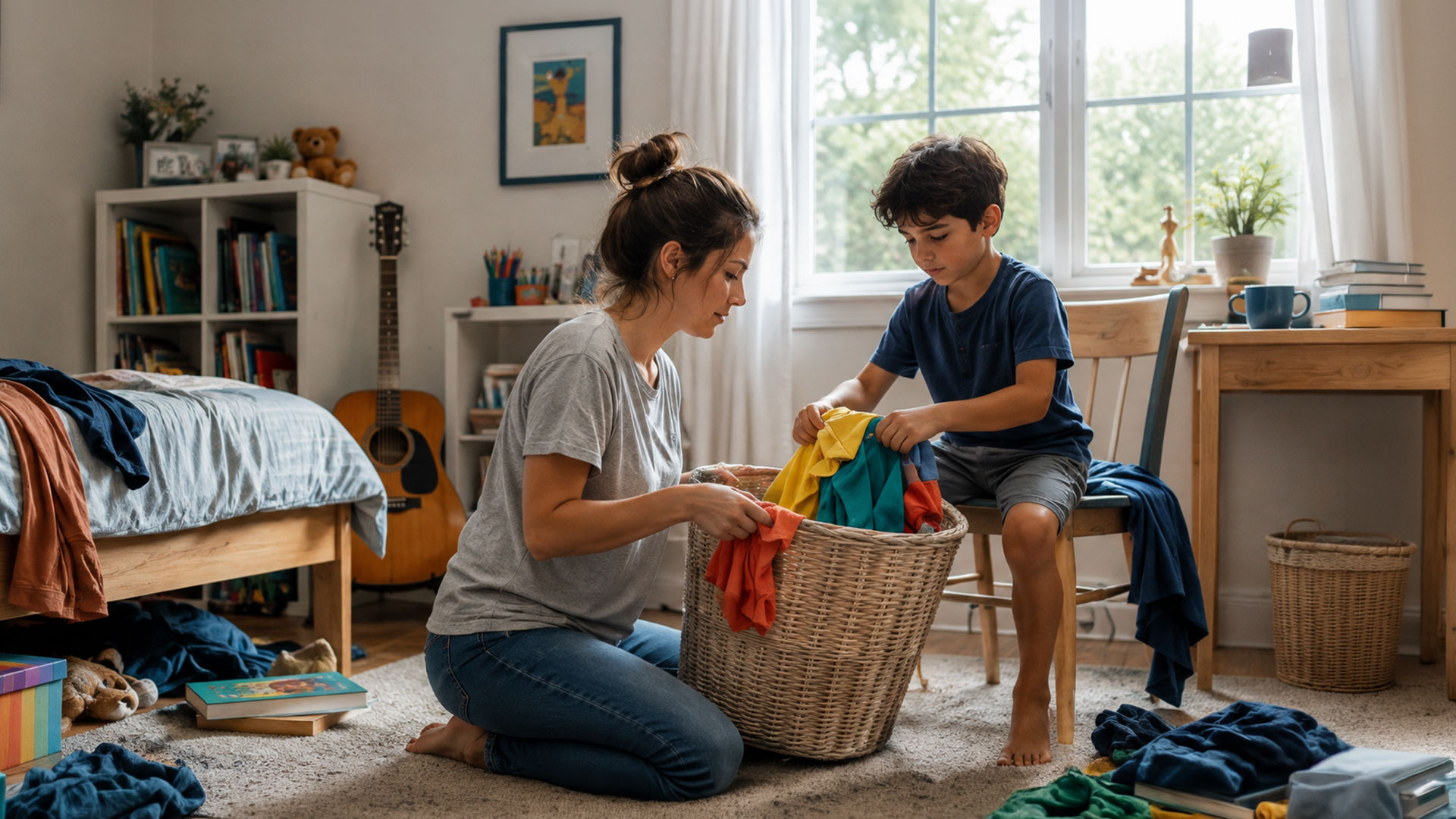
Peterson makes a powerful connection: cleaning your room is a metaphor for sorting out your life. For a child, this begins as a literal task, but if done well, it becomes internalized.
They learn to recognize when their backpack is cluttered, and they clean it. Later, they learn to recognize when their thoughts are cluttered, and they seek order there too. It becomes second nature.
But let’s take it deeper. Because for Catholic parents, this isn’t just about mental clarity, it’s about moral clarity.
Your child is growing up in a culture that encourages self-expression but often ignores self-examination.
Teaching them to clean up after themselves is an invitation to examine the messes they make, physical and relational.
You’re forming the habit of reconciliation. Of owning your mistakes. Of not hiding the dirty laundry under the bed and pretending everything’s fine.
“Clean your room” becomes code for:
“Apologize when you mess up.”
“Speak with kindness when it’s hard.”
“Don’t let little lies pile up until they stink.”
A clean conscience, like a clean room, isn’t perfection. It’s peace.
What to Do When They Resist (Because They Will)
Spoiler: kids don’t love chores. Especially not the repetitive, invisible ones. You’ll get rolled eyes. Groans. Bargaining. And the occasional, “You don’t do anything around here!” (Cue inner screaming.)
But remember: their resistance isn’t always rebellion. Sometimes it’s immaturity. Sometimes it’s boredom. Sometimes it’s the early stages of building a habit they don’t yet see the value of.
Stay calm. Stay consistent. And when necessary, get creative.
Give them ownership. Let them choose the order of their tasks. Invite them to suggest improvements. Set timers. Race the clock. Keep it light.
But don’t cave. Don’t rescue. Don’t finish it for them.
You’re not just asking them to pick up Legos. You’re asking them to practice responsibility. And practice requires resistance.
Sometimes, when a child pushes back on order, it’s because they’re not used to believing that expectations matter.
They’ve lived too long with blurred lines and inconsistent follow-through. So when you start enforcing structure, they test you.
Stand your ground. Lovingly, firmly, and with zero drama.
Leading by Example, Why Your Order Sets the Tone
Before you make their chore chart, look at your own habits. Are you living in order?
Do you put your phone away at meals? Keep a steady prayer rhythm? Show up on time? Follow through on discipline without delay?
Kids are sponges. They copy what they see. If you bark at them to clean while you scroll TikTok on a messy couch, the message won’t land.
But if they see you taking care of the home, your schedule, and your spiritual life, they’ll notice. They’ll know: “This isn’t a punishment. It’s how we live.”
Perfection isn’t the goal. But ownership is. Own your space. Own your reactions. Own your tone.
Because ultimately, order is about stewardship. You’re training your child to treat the world as a gift, not a garbage bin.
The Ordered Life Is the Free Life
Someday, your child will live alone. There will be no chart on the fridge. No one checking under the bed. Just them, a studio apartment, and the million little choices of adult life.
When that day comes, will they know how to bring peace into chaos? Will they know how to prioritize, how to show up, how to build beauty from mess?
If they do, it won’t be because you nagged. It’ll be because you modeled it.
Because you made the bed even when tired. Because you asked for forgiveness when you blew up. Because you turned routines into rituals and chores into character training.
That’s what order does. It grounds our kids, not in fear or control, but in love. And that love forms habits.
And those habits form the kind of adults who don’t just clean their room… but quietly, faithfully, help clean up the world.