The Cost of a “Yes” Culture
There’s a moment every parent dreads.
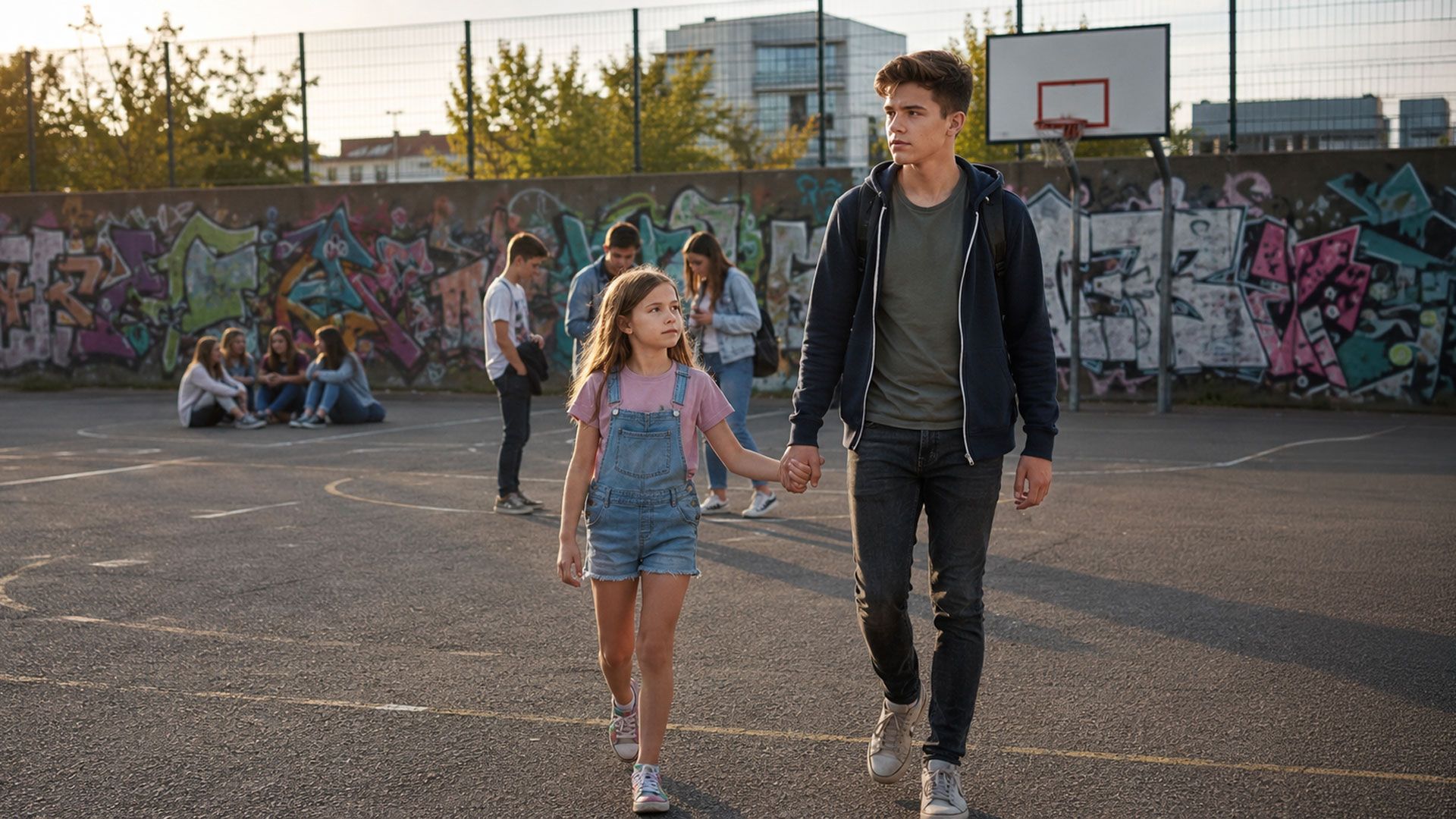
Your child walks in the door, shoulders hunched, eyes a little too glossy. Something happened.
Maybe they went along with something dumb. Maybe they watched someone else do something worse, and said nothing.
Either way, they’ve met the crowd. The real one. The one that doesn’t wait for values or permission slips.
You want to ask: “Why didn’t you say something? Why didn’t you walk away?”
But deep down, you know the answer. Because saying no is hard. Because belonging matters to them. Because doing what’s right often means doing it alone.
Welcome to one of the hardest jobs in parenting: raising a child who can look popularity in the eye and say, “No thanks.”
This article is about how to do that, not by turning your kid into a rebel for sport, but by training them in the quiet, daily art of interior strength.
The kind of strength that doesn’t just survive peer pressure but shrugs it off like an old jacket.
The kind that isn’t loud, but steady. Not angry, but firm. Not defiant, but free.
In a world obsessed with fitting in, we’re called to raise kids strong enough to stand out.
The Crowd Is Coming, Prepare Early
The mistake many of us make is waiting until the first major “moment” to train a child in courage.
The first party. The first friend who vapes. The first girl who posts a photo that crosses the line.
By then, it’s too late to build the muscles. You’re trying to win a fight with no conditioning. The time to teach your child to say no is long before the first ask ever comes.
You start small. Do they know how to say no to a second cookie? To watching one more show? To texting during dinner?
That small “no” matters more than you think. It’s like teaching a boxer how to jab before putting them in the ring.
Self-denial in small things teaches strength in big things. And it all starts in the home.
Why People-Pleasing Is a Lie
Every kid wants to be liked. Frankly, so do most adults. But somewhere along the way, many of us confuse being liked with being loved. And worse, we confuse being agreeable with being good.
The child who always says yes isn’t always kind. Sometimes they’re just afraid. Afraid of rejection. Of ridicule. Of not being invited back. So they nod, smile, and follow.
But this people-pleasing instinct trains them to abandon their own judgment for the sake of group comfort.
They become chameleons, changing colors based on who they’re with. And after enough time, they forget what color they ever were to begin with.
You want your child to know: You can love people and still tell them no. You can be kind and still hold your line. And real friends won’t make you choose between your values and their approval.
Build Conscience Before Compliance
If you raise a kid to obey blindly, they’ll obey the wrong crowd just as easily as they obey you.
You don’t want robots. You want thinkers. Kids who can ask, “Why?” and mean it. Who pause when something feels off. Who hesitate before following the herd.
That starts with forming their conscience. Not just telling them what’s right, but why. Not just punishing bad behavior, but explaining what virtue it violated.
When they lie: “What were you afraid of? What truth needed protecting?”
When they follow the group: “What part of you said this wasn’t okay, and why didn’t you listen?”
When they apologize: “What does it mean to make something right?”
These aren’t lectures. They’re conversations. You’re not just correcting behavior, you’re forming judgment.
Because you don’t just want a kid who listens to you. You want a kid who listens to the quiet voice of conscience when you’re not around.
Why Saying No Builds Identity
Every “no” your child says to the world is also a “yes” to something else. A yes to their values. A yes to their future. A yes to who they want to become.
Kids need a sense of personal identity, who they are and what they stand for. Without it, they’re like ships without a rudder, drifting wherever the tide of opinion takes them.
This doesn’t mean your kid needs to memorize a life manifesto. It means you help them connect their choices to their character.
When they tell a friend “I don’t want to watch that,” praise their clarity. When they decline a trend, thank them for their conviction. Let them hear out loud: “That’s strength. That’s leadership. That’s who you are.”
The more they associate moral resistance with a positive self-image, the less they’ll fear being different. They won’t need to be the loudest voice in the room, but they’ll know how to stand their ground.
Train Discernment, Not Paranoia
There’s a temptation, when teaching kids to resist peer pressure, to swing into fear-based territory. “The world’s out to get you.” “Trust no one.” “Everyone’s going to lead you astray.”
But that paranoia backfires. It doesn’t build courage, it breeds isolation or contempt.
Instead, teach discernment. Help them recognize situations where values get blurred. Teach them to spot manipulation. Show them how to ask, “What’s really going on here?”
You’re not making them suspicious, you’re making them smart. You’re teaching them to read the room without absorbing it.
To be present but not persuaded. To see the crowd but not need its approval.
That’s the kind of social strength most adults still struggle to find. Give it to your kid early.
Let Them Practice Saying No at Home
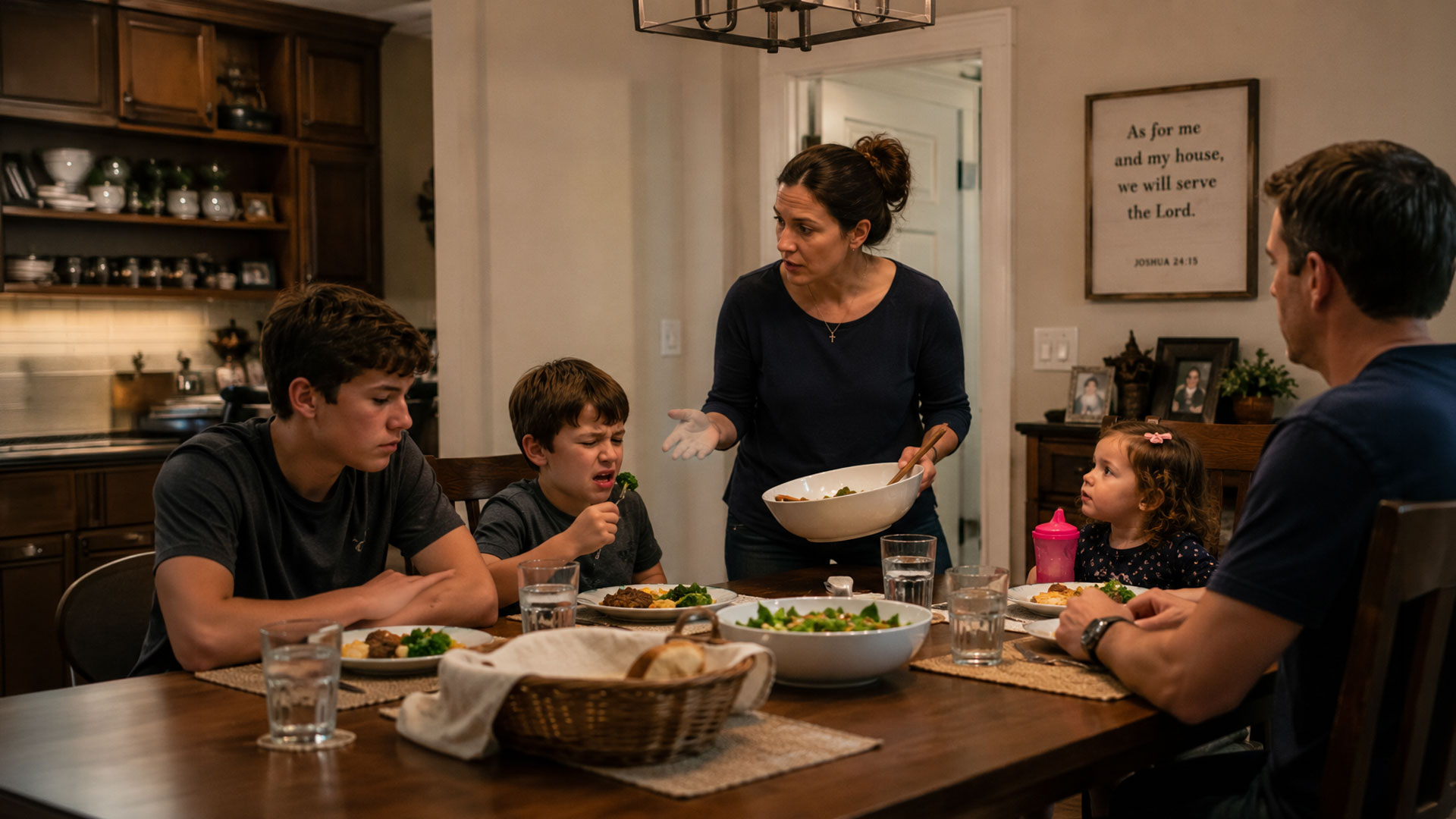
The safest place to practice resistance is at home. If your kid can’t say no to you, they’ll struggle to say it to anyone.
That doesn’t mean giving them full veto power over chores and rules. It means giving them space to disagree, respectfully. To ask for clarification. To propose alternatives.
Teach them how to push back with grace: “I see where you’re coming from, but can I explain my side?” “I’m not comfortable with that, and here’s why.”
When they express themselves this way, don’t shut it down. Encourage it. Guide it. Show them how to speak truth in love.
Because one day, that voice won’t be talking to you, it’ll be talking to a coach, a teacher, a teammate, a date. And you’ll be grateful they know how to speak it with both courage and courtesy.
Why Community Is Still Crucial
Kids who stand alone eventually need to sit somewhere. If you teach your child to resist the crowd, make sure they know where to find the right one.
Community matters. You can’t just teach them what to say no to. You need to give them something, and someone, to say yes to.
This means investing in friendships built on shared values. Youth groups, cousins, family friends, sports teams with integrity, these aren’t just pastimes. They’re lifelines. They remind your child: “I’m not the only one who believes this.” “I’m not crazy for holding the line.”
Loneliness is one of the biggest reasons kids compromise. So don’t let them walk alone.
Celebrate the Hard No
When your kid finally does it, when they turn down an invite, speak up in class, call out a wrong, don’t let it pass quietly.
Celebrate it.
Not with fireworks. But with affirmation. “That took guts.” “You stood your ground.” “I’m proud of you for protecting your values.”
Let them feel the weight of what they just did. Let them see your face light up, not just when they win a trophy or ace a test, but when they show integrity.
That reinforces their internal compass. And it shows them that how they live matters more than how much they achieve.
Help Them Recover from Relational Fallout
Saying no to the crowd often comes at a cost. They might get iced out of a group chat. Left off the next invite list. Called “weird,” “goody-goody,” or worse.
When that happens, your job is simple: hold the line with them.
Remind them that courage always carries a price. But the reward is far deeper than popularity, it’s freedom. And self-respect. And a future that isn’t built on other people’s scripts.
Let them grieve the loss of friends if needed. But never let them regret doing the right thing.
Raising a Quiet Rebel
In a world that rewards blending in, you’re raising someone brave enough to stand out. That’s not rebellion for its own sake. That’s conviction in the face of compromise.
Saying no isn’t easy. But it gets easier when the voice inside your child is louder than the voices around them.
So train that voice. Strengthen it. Let them hear yours, until it becomes their own.
And when the moment comes, when the friend offers the vape, the group mocks the teacher, the crowd moves toward trouble, your child will stand.
Not because they want to be different. But because they already are.