When “Please” Feels Like a Foreign Language
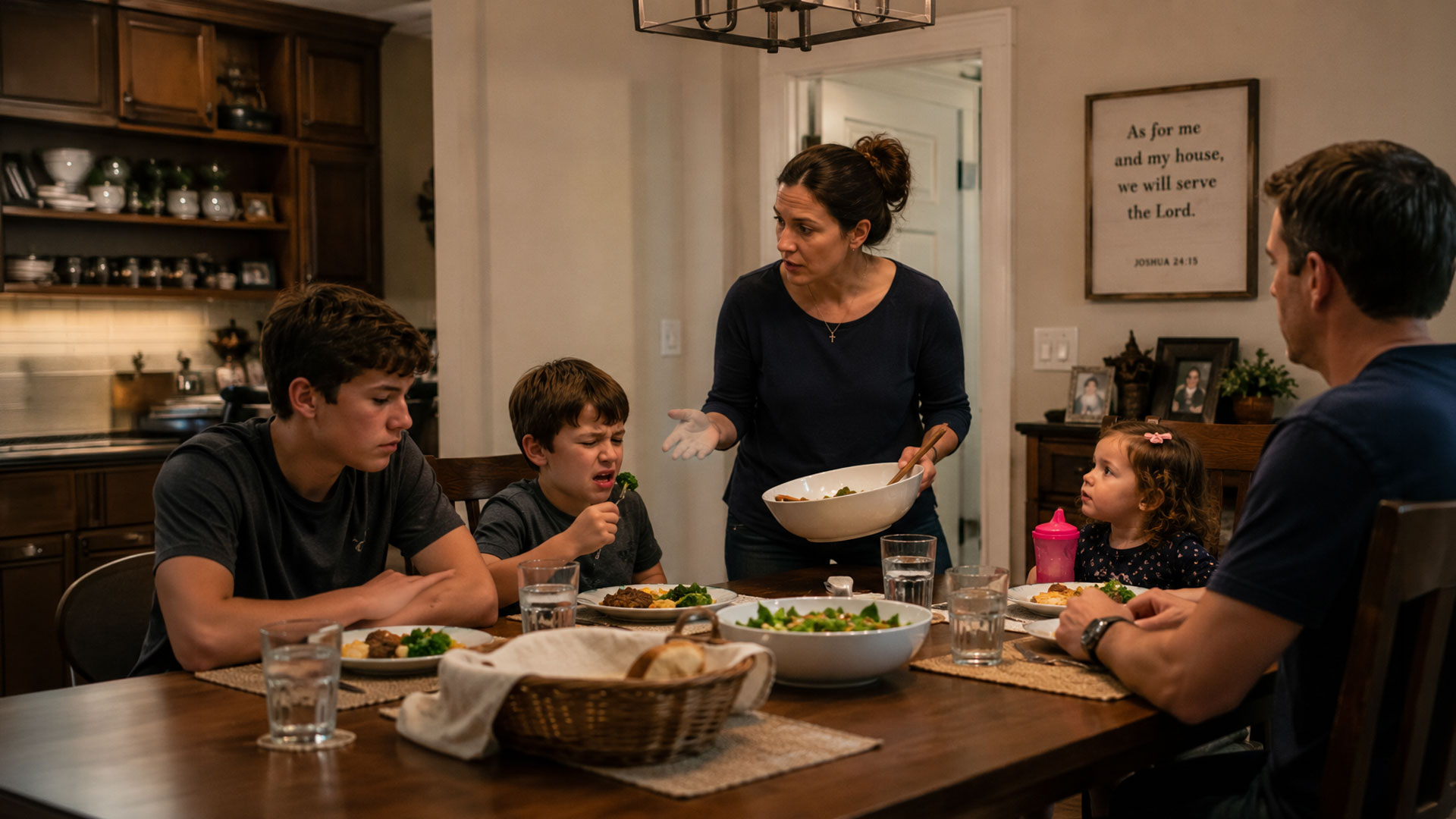
You ask your son to pass the salt. He grunts. Your daughter interrupts three times in one dinner conversation.
You hear “What?!” more often than “Yes, Dad.” It’s not that they’re bad kids, they’re just… rough around the edges.
And in today’s world, those edges don’t get sanded down by accident.
We live in a culture where casual is king. Where manners are optional.
Where “sir” sounds like it belongs in an old movie, and “excuse me” has been replaced by a shoulder shove and a scroll.
But here’s the truth: courtesy matters. Not because it makes you look good in public, but because it forms you in private.
It’s not fluff, it’s formation. It’s not etiquette for social points, it’s ritualized respect that builds empathy, discipline, and character.
And if you’re raising kids in this culture, you’re not just fighting for manners. You’re fighting for meaning.
Let’s talk about why courtesy isn’t just nice, it’s necessary.
Courtesy Is the First Form of Love Your Kids Will Understand
Think about it: when your toddler hands you a toy and you say “Thank you,” you’re doing more than modeling words.
You’re showing that interactions matter. That people matter. That how we treat each other matters.
Courtesy is love made visible.
“Please” shows humility. “Thank you” shows gratitude. “Excuse me” shows awareness of others.
Holding the door isn’t about the door, it’s about dignity. Giving up your seat on the bus isn’t just polite, it’s training your child to see others as worthy of honor.
These tiny rituals are rehearsals for virtue. And if we skip them, we short-circuit the moral development of our kids.
Rituals Shape the Person (Even When Kids Don’t “Feel” It)
Modern parenting often puts emotion in the driver’s seat. We ask, “Do they feel it?” before we ask, “Did they do it?”
But courtesy doesn’t wait for the feeling. It forms it.
You don’t need to feel reverent to kneel in prayer. You don’t need to feel grateful to say thank you. Sometimes, the body leads and the heart follows.
That’s what rituals do. They create order, invite reflection, and engrave meaning into daily life.
Teach your kids: “We say thank you even if we’re tired. We apologize even if we didn’t mean to hurt someone.
We stand when an elder enters the room even if we’d rather keep sitting.”
It’s not hypocrisy, it’s formation.
Courtesy Isn’t Just for Others, It Builds Inner Strength
A courteous child is not a weak child. Quite the opposite. Courtesy takes self-control, patience, and awareness. And these are muscles worth building.
When a child waits their turn to speak, they’re training restraint. When they write a thank-you note, they’re practicing gratitude.
When they shake hands and make eye contact, they’re learning confidence and respect in one gesture.
These habits are like compound interest. At first, they seem small.
But over time, they shape someone who can thrive in friendships, lead teams, and navigate awkward social moments with grace.
They also teach your child that how they act affects who they become.
Home Is the Training Ground, Not the Performance Hall
If your kids are only courteous in public, they’re performing. Not practicing.
Courtesy must be lived at home, where no one’s watching and nothing’s being recorded.
That’s where it becomes real. It’s not about company manners, it’s about character manners.
This starts with tone.
Do your kids speak to you with the same tone they use with their teachers? With strangers? With friends?
Do they thank you for dinner? Apologize when they snap? Say “Good morning” or “Good night” with warmth?
If not, that’s not just rudeness. It’s a red flag for respect.
Model it. Expect it. Gently but firmly correct it. Not with lectures, but with presence.
“Try that again with a kinder tone.”
“Let’s start over and use the right words.”
“We speak with love in this house, even when we’re annoyed.”
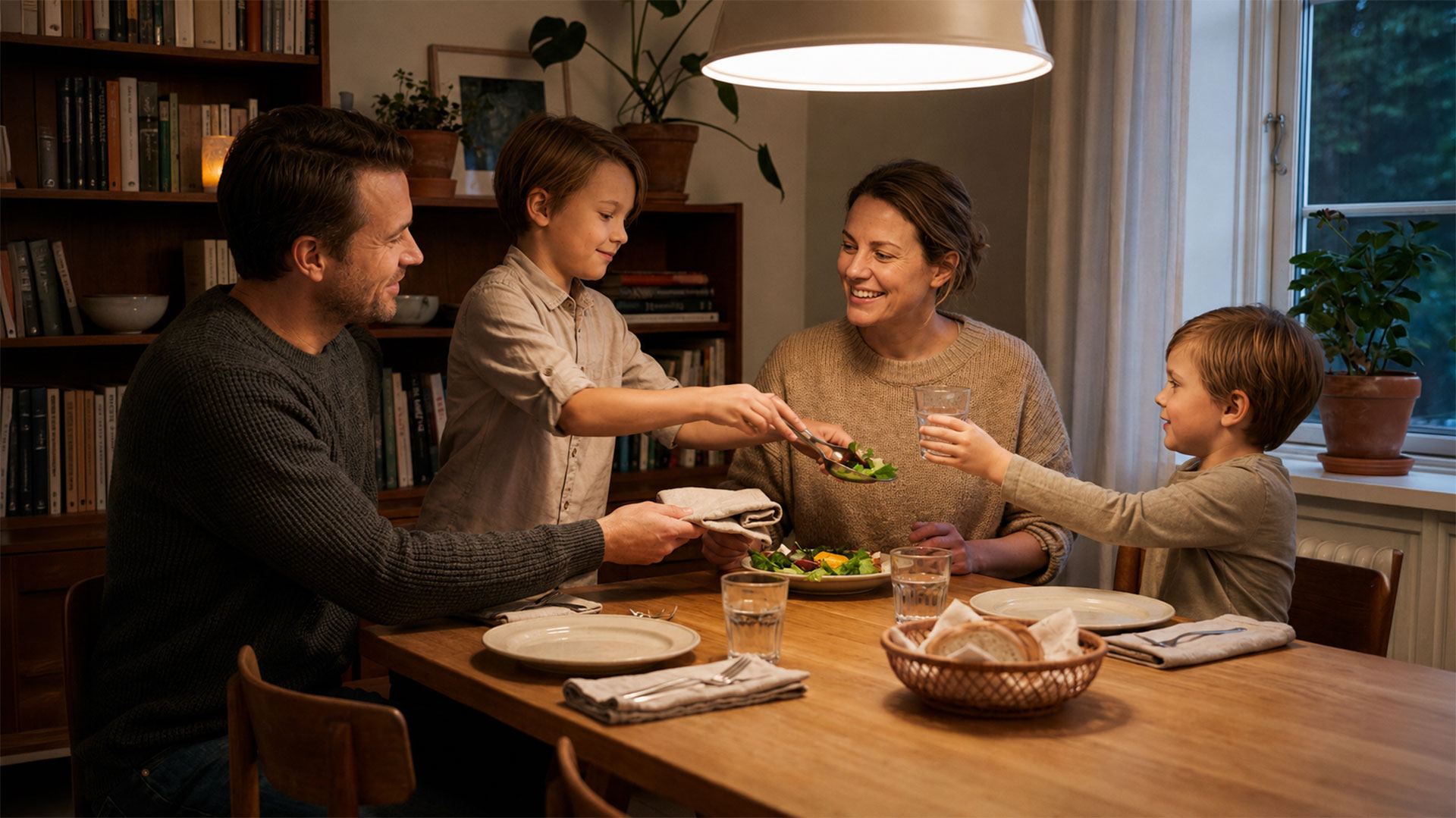
Make courtesy the native language of your home.
Your Reaction Teaches More Than Your Rules
Ever notice how your kids watch you in traffic? Or at the checkout line? Or when the waiter gets your order wrong?
They’re not just watching your manners, they’re watching your responses.
Courtesy isn’t just about initiating kindness. It’s about responding to rudeness with restraint.
Do you explode when interrupted? Snap when someone’s late? Roll your eyes when someone cuts you off?
Every one of those moments is a training ground. And your kids are in the bleachers, taking notes.
Teach them that being courteous isn’t about deserving it, it’s about choosing it.
Because your dignity isn’t dependent on someone else’s behavior.
That’s self-mastery. And it starts with how you react when things don’t go your way.
Courtesy and the Virtue of Justice
David Isaacs connects courtesy with justice, and for good reason.
Justice is about giving each person their due. And courtesy does that in everyday life.
It affirms the other’s value, regardless of status, age, or convenience.
Your kid doesn’t say “please” to beg. They say it to honor. They don’t stand when grandma enters because it’s a rule. They do it because she deserves it.
And when your child learns to respect others outwardly, they begin to see their own worth more clearly.
Courtesy isn’t about creating doormats. It’s about creating just men and women, who treat others with honor because they see the image of God in every person.
Manners Are a Mission, Not a Museum Piece
Courtesy isn’t about being “old-fashioned.” It’s about being formed.
Too often we treat manners like a nice-to-have relic from the past. But they’re not ornamental. They’re missional.
In a loud world, courtesy is a quiet revolution. It tells people: “You matter.” “You’re worth my time.” “I’m not just here for me.”
And that witness is magnetic.
Teach your kids that their kindness isn’t just good manners, it’s evangelization.
It reveals the kind of people we’re becoming. It speaks to a truth bigger than comfort or culture.
Section 8: Practical Ways to Train Courtesy Without Turning Into a Drill Sergeant
Want to train courtesy without crushing their spirit? Try this:
Practice greetings: Roleplay introductions. Make eye contact a norm.
Praise effort: “I saw how you waited patiently. That showed respect.”
Celebrate progress: Even small wins. “You said thank you without a reminder, great job.”
Correct privately: Don’t shame. Whisper a cue. Invite a redo.
Use stories: Share family legends of respectful heroes, relatives, saints, or family friends.
Lead rituals: Family meal prayers, “bless you” after sneezes, grace before food. These small things make big impressions.
Make courtesy part of your family culture, not just your family rules.
The Long Game, Raising Adults Who Build Up, Not Tear Down
Fast forward fifteen years. Your child is in a tense work meeting. They stay calm, listen first, and respond with clarity and respect.
Or they’re helping a friend through grief. And they show up with soup, silence, and a handwritten note.
Or they’re raising your grandkids, and “please” and “thank you” are just how their family speaks.
That’s the fruit of your effort now. Not polished robots, but principled people.
Kids who don’t just act nice, but are kind. Who don’t need scripts, because courtesy has become instinct.
And it starts with habits you’re building this week.
Teach Them to See the Person Behind the Action
Courtesy isn’t about following rules. It’s about seeing the person in front of you.
It’s about treating people as ends, not means. About creating space for dignity to flourish, even in messy homes and ordinary days.
So yes, hold the line. Expect manners. Repeat the reminders. Lead with your own example.
Because every time your child says “please,” shares a toy, or listens without interrupting, they’re practicing more than etiquette.
They’re learning reverence. They’re becoming just. They’re growing up.
And someday, they’ll thank you, not just for making them say it, but for showing them why it matters.