When “Unfriending” Became a Lifestyle
Your daughter gets into a fight with her best friend and declares, “We’re done.” Your son scrolls past someone on his team and says, “He’s weird now,” like people are apps he can uninstall.
We live in a world of quick exits. Ghosting isn’t just an awkward dating trend, it’s become a template for handling discomfort. If a relationship gets hard, if someone annoys you, if you feel slighted or overlooked? Cancel. Unfollow. Cut ties.
But loyalty, the virtue that once built lifelong friendships, family bonds, and even heroic self-sacrifice, is now seen as optional, even naïve. And that shift is gutting the moral muscle of the next generation.
Because loyalty isn’t blind obedience or toxic allegiance. It’s faithfulness to people, not just feelings. And when kids don’t learn it, they grow up with a revolving door of relationships, shallow roots, and no inner compass when conflict hits.
We’re not raising social media profiles. We’re raising humans. And humans need loyalty to grow.
What Loyalty Really Means (And What It Doesn’t)
Let’s be clear: loyalty isn’t enabling. It’s not silence in the face of abuse. It’s not blind allegiance to people who harm us.
Real loyalty is virtue in action. It’s choosing the good of another even when it’s inconvenient. It’s remaining committed to someone not because they’re perfect, but because your love is stronger than your irritation.
It’s faithfulness. Steadfastness. Sticking with a teammate through a losing season. Helping a sibling who’s driving you nuts. Praying for a friend even when they’ve gone distant.
And it must be trained. Because nothing in modern culture reinforces it. Algorithms reward outrage. Popularity is fragile. Disagreement is treated as betrayal.
If you don’t intentionally raise loyal kids, you’ll raise relational consumers, people who discard friends like fashion trends.
Loyalty Begins in the Home, With Siblings and Chores
Where does loyalty start? Not on the playground. Not online.
At home.
It starts when your son clears the dinner table even though it’s not his night, because his sister is sick. It starts when your daughter defends her little brother at school, not because he’s always right, but because he’s hers.
Teach them that family isn’t a club you join. It’s a covenant. That doesn’t mean you always agree, or even always get along. But it means you don’t walk away.
Let your kids hear: “We don’t throw each other under the bus in this family.” “We stand up for each other.” “We make sacrifices, not because it’s convenient, but because we’re loyal.”
These little habits form moral reflexes. And those reflexes grow into character.
Loyalty Requires Delayed Gratification, and That’s the Challenge
Loyalty costs something. Time, effort, ego. And that’s where kids struggle, because the culture has trained them to expect instant gratification.
If a friend isn’t fun anymore, they’re out. If a teacher holds them accountable, the teacher’s “mean.” If a relationship gets messy, it’s easier to scroll away than dig in.
Loyalty demands the opposite: staying power. It tells a kid, “This person matters more than how you feel right now.” And that is hard. But it’s also holy.
Build this by teaching your kids to stick with commitments:
Finish the season even if you sit the bench
Write the apology even if you think they started it
Keep a promise even if something “better” comes along
This builds not just follow-through, but fidelity, virtue that mirrors God’s own loyalty to us.
Digital Culture Erodes Loyalty, Unless You Actively Fight It
Let’s not pretend this is neutral ground. Kids are immersed in a world where ghosting is normalized, drama gets views, and people are evaluated by likes and filters.
It’s hard to be loyal in a culture that worships novelty. Even harder when everything’s a performance.
That’s why your parenting needs to be counter-cultural.
Talk openly about what it means to stay. Don’t shame your kids for being hurt, but challenge them to love through it. Watch shows together and debrief them: “Was that loyalty, or just convenience?” “Why did they walk away?” “What could have made that friendship stronger?”
And limit the performative pressure. Model this too, stay in friendships when they’re hard. Forgive relatives when it would be easier to hold a grudge.
Let your kids see that loyalty is strength, not weakness.
Loyalty Doesn’t Mean Agreeing, It Means Committing
One of the biggest lies today is that disagreement equals betrayal.
In truth, loyalty shines brightest in disagreement. Real love can hold tension. It says: “I don’t like what you did. But I’m still here. And I’m still for you.”
Teach your kids how to speak truth in love. When a friend wrongs them, help them script a calm confrontation, not a cancellation.
When you discipline them, make it clear: “I’m correcting you because I love you. Nothing you do will make me stop loving you.”
This is how you raise adults who stay married. Who raise their own children with patience. Who don’t bolt when things go sideways.
Because loyalty isn’t about being agreeable. It’s about being anchored.
The Role of Loyalty in Faith and Identity
Let’s go deeper.
Loyalty isn’t just social, it’s spiritual. Scripture is filled with images of God’s loyalty: steadfast love, covenant faithfulness, the Shepherd who leaves the ninety-nine.
When kids learn loyalty to people, they’re being trained for loyalty to God.
They begin to understand that love isn’t conditional. That you don’t ditch faith when it stops “feeling” good. That when life gets dark, you don’t jump ship, you cling tighter.
Introduce this early:
“We go to Mass even when we’re tired, because God stays with us even when we’re cranky.”
“We pray for our friends even when we’re mad, because love doesn’t quit.”
“We serve the poor not to feel good, but to be good.”
This is formation. It’s raising people of depth in a world of filters.
Practical Ways to Build Loyalty in Kids
Loyalty is trained by doing. Try these habits:
Celebrate perseverance: “You stuck with it even when it got boring. That’s loyalty.”
Coach conflict: Walk them through friendship issues instead of letting them drop people.
Tell family stories: Highlight grandparents or ancestors who stuck it out in hard times.
Write thank-you notes: To coaches, teachers, or priests who’ve been loyal mentors.
Stick to consequences: Don’t “bail” your kid out every time. Loyalty is about honor, not just protection.
Bonus tip: praise loyalty publicly. Let your kids know you see it. “That was a big thing you did, defending your brother like that. You’ve got his back, and that matters.”
Loyalty Is a Gift They’ll Give, And Receive
When you raise loyal kids, you give the world something rare.
You give future friends someone they can count on. You give future spouses someone who won’t walk out when things get hard. You give future employers someone who follows through.
And most of all, you give your kids the experience of being loyal, and discovering the joy that comes from loving someone past the point of comfort.
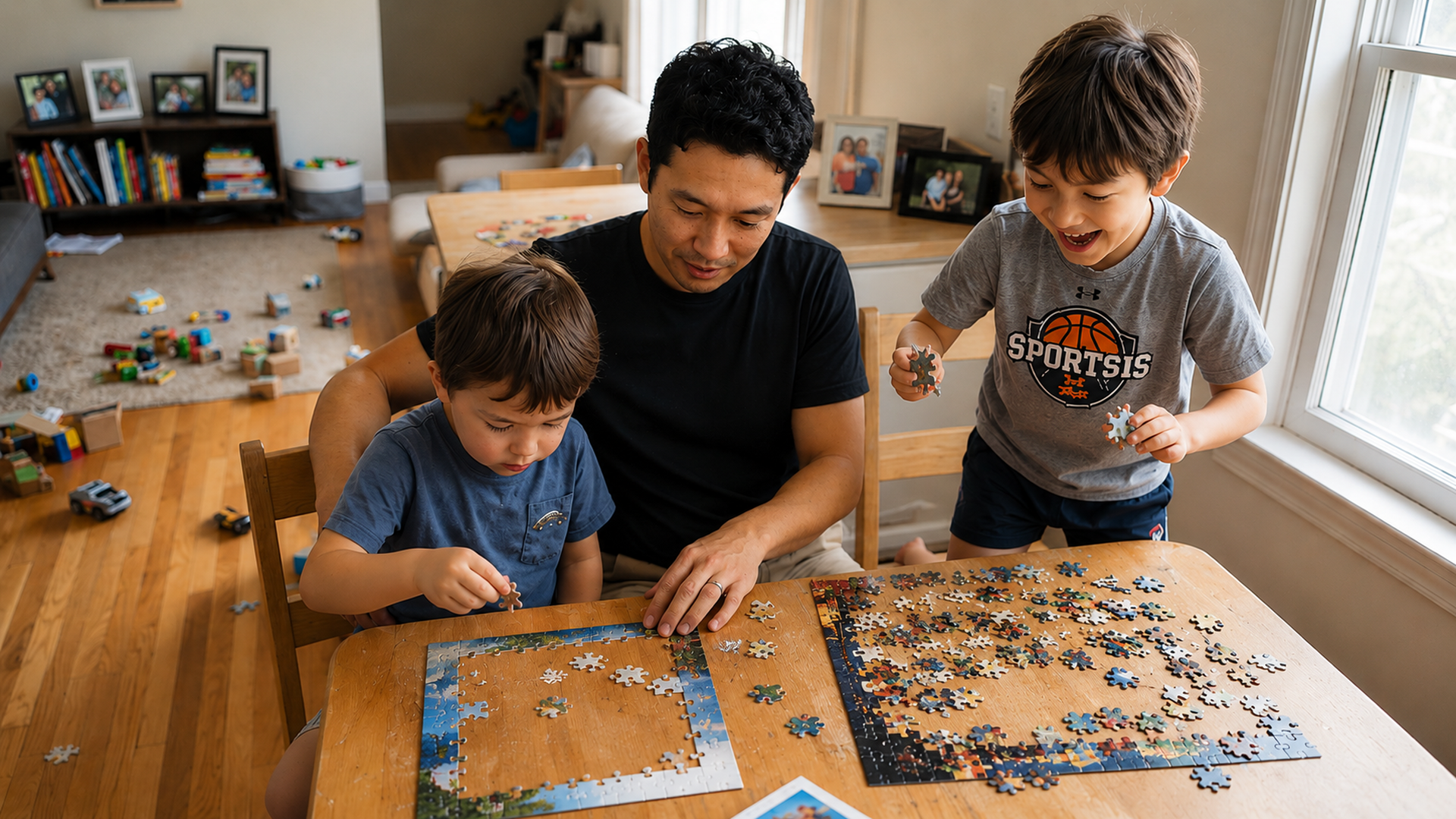
That’s the joy the world has forgotten. But it’s still available. And it starts at your kitchen table.
Loyalty Isn’t a Trend, It’s a Testament
You’re not raising trend-chasers. You’re raising saints.
And saints aren’t perfect. They’re loyal. To Christ. To others. To the truth.
In a world of cancel buttons and broken ties, loyalty is a quiet revolution. It’s a child who stays after practice to help clean up. A teenager who forgives instead of blocks. A young adult who visits grandma every week, because family isn’t disposable.
Loyalty won’t make them popular. But it will make them whole.
So keep teaching it. Keep modeling it. Keep praising it.
Because loyalty is love that lasts. And nothing matters more than that.