“Get in the Car, We’re Late Again”
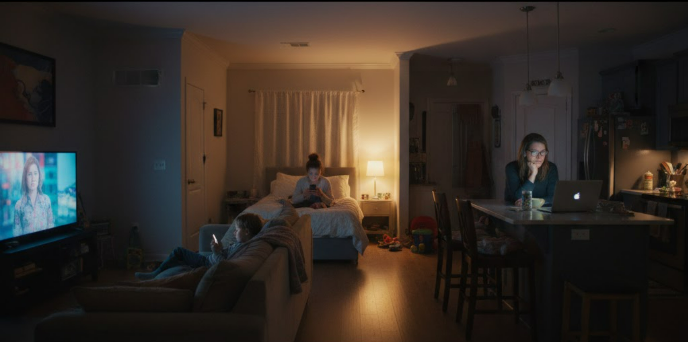
It’s 5:15 p.m. You’re eating leftovers from the Tupperware container because dinner had to be early. Soccer practice is at 6:00, piano lessons were at 4:00, and someone still needs help with math homework before bed.
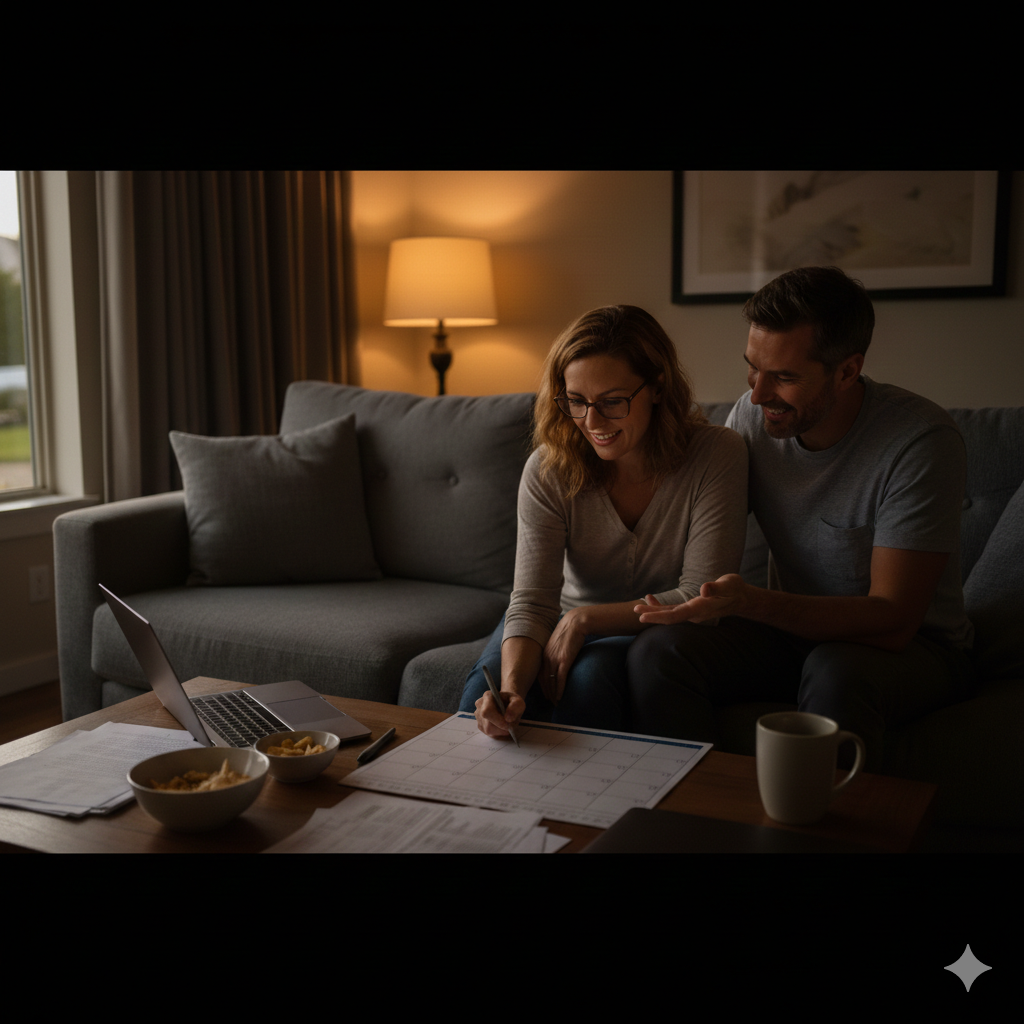
You glance at the calendar and realize: there’s something scheduled every night this week. Again.
Somewhere between “just keeping them busy” and “giving them every opportunity,” the family schedule became a shrine. And like most shrines, it demands a sacrifice.
We sacrifice quiet. We sacrifice dinner together. We sacrifice sleep, stillness, spontaneity. We sacrifice formation, for movement. And while the world might applaud your hustle, your kids don’t need more movement. They need meaning.
This article isn’t an anti-sports rant. It’s not a call to quit activities and move to the woods. It’s a plea to remember that overscheduling, even with good things, can crowd out the best things. That your family doesn’t exist to keep a schedule. The schedule exists to serve your family.
Because the point isn’t to get through the calendar. The point is to raise kids who can live with purpose, even when the calendar is empty.
Activity Isn’t the Same as Growth
It’s easy to assume that busy kids are successful kids. Soccer means teamwork. Music means discipline. Language classes, tutoring, youth group, they all “add value.” But too much value-stacking eventually tips into value confusion.
Kids don’t grow just because they’re busy. They grow when they have time to reflect, to connect, to be challenged, to be still.
Formation requires margin. Virtue doesn’t thrive in constant motion, it takes root in pause, repetition, and relationship.
An overscheduled child becomes efficient. But not always thoughtful. Responsive, but not reflective. High-achieving, but not always grounded.
You can give your kid a full résumé. But if you don’t give them a quiet soul, they’ll be successful and lost at the same time.
“Maximizing Their Potential”
Many parents overschedule with good intentions. You see a gift in your child. A spark. A strength. And you want to water it. That’s good. That’s love.
But sometimes “maximizing potential” becomes an idol. Every hour becomes a slot for improvement. Every evening becomes a battleground for skills. Every season must have a sport, a club, a challenge.
Suddenly, your child’s time isn’t theirs. It’s yours. It’s curated. It’s optimized.
And they feel it. Even if they can’t articulate it.
Kids need to know that they’re loved without achievement. That rest is holy. That time isn’t just a tool to “get ahead,” but a gift to be stewarded.
The goal isn’t to raise the most advanced kid. It’s to raise the most whole one.
When Schedules Steal the Table
Overscheduling doesn’t just burn out kids. It breaks family rhythm, tradition and fostered family time. It steals dinner.
And dinner matters.
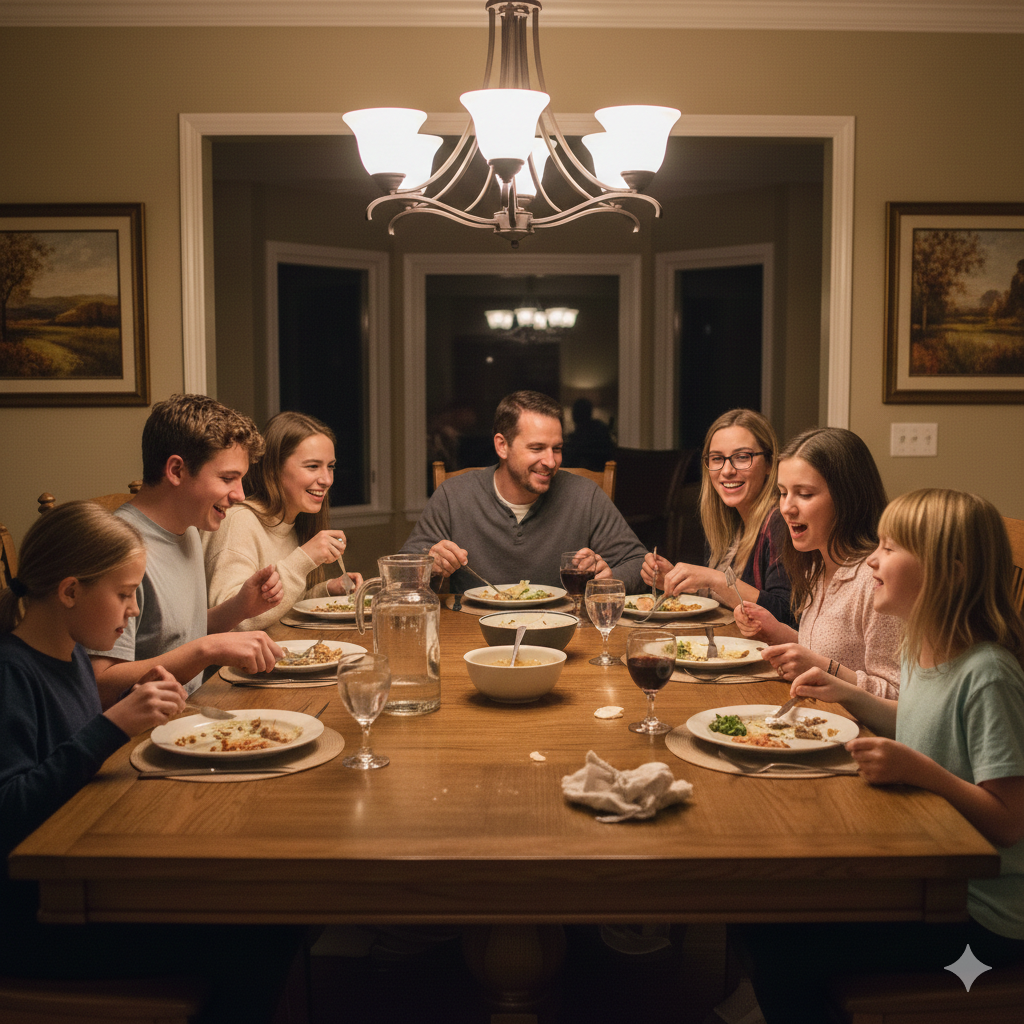
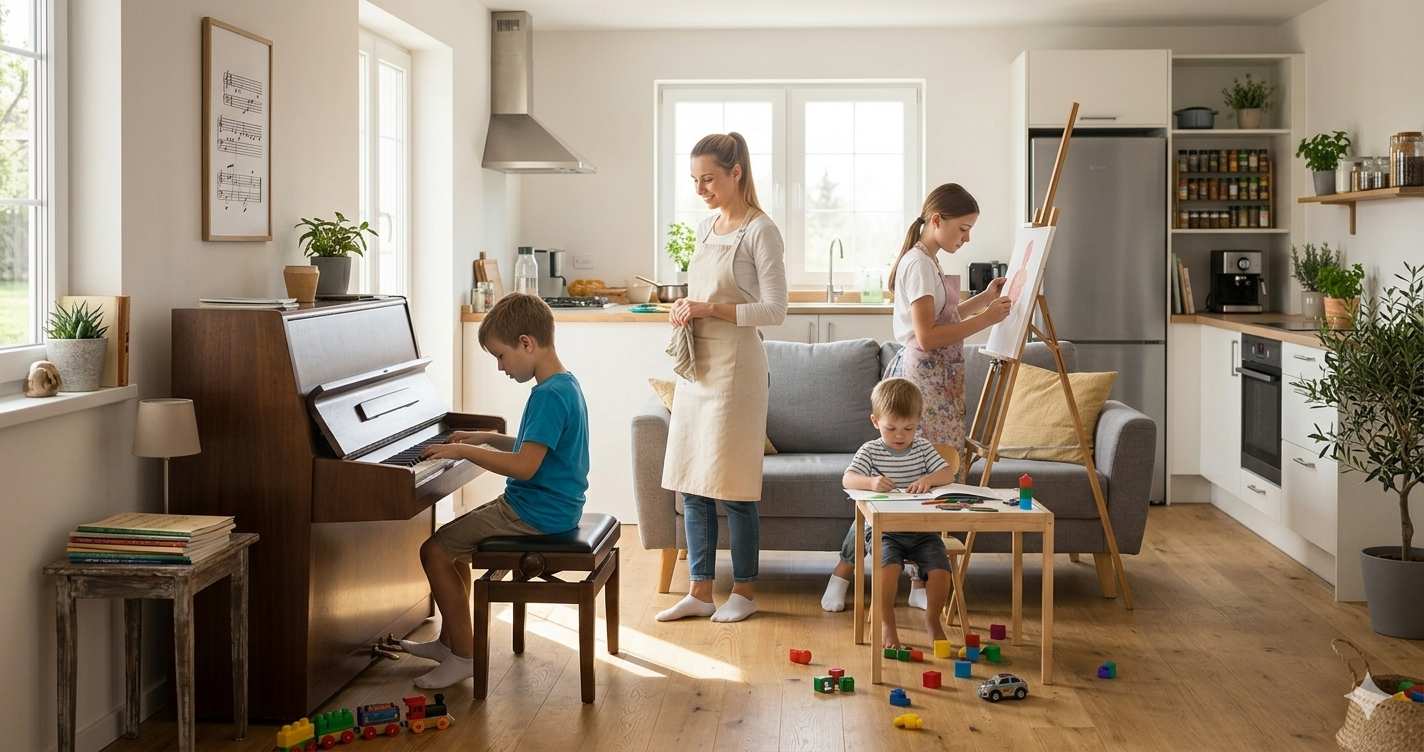
The table isn’t just where food is served. It’s where formation happens. Where stories are shared. Where laughter erupts and hard conversations begin.
The table is where you learn how to talk, how to listen, how to show up.
When a family can’t eat together consistently, it’s often a sign that the schedule has taken over.
If your calendar forces you to skip dinner more nights than not, it’s worth asking: are we forming memories, or just managing time?
A quiet table with two present people beats a full car of scattered hearts.
What Overscheduled Kids Really Learn
It’s not just the missed dinners or constant rushing. It’s what the child internalizes from that pace. Overscheduled kids often learn:
My time isn’t mine.
My worth comes from performance.
Rest is laziness.
Boredom is a problem.
Silence should be avoided.
And worst of all: Presence is optional.
They learn that being physically close is enough. That rushing from thing to thing is normal. That quiet connection isn’t necessary.
These habits, once formed, follow them into adulthood. Into their friendships. Their marriages. Their faith.
Busy children often become busy adults, too distracted to build deep relationships or sustain reflective prayer.
Signs You’re Overscheduled (Even If Everyone’s Smiling)
Overscheduling doesn’t always look like stress. It often hides behind excitement, success, even fun.
But here are a few clues that the pace may be too much:
You dread weekends because they’re not restful.
Siblings rarely play together without a structured plan.
You haven’t had an unhurried dinner at home in over a week.
Homework starts after 8:00 p.m. regularly.
Your child’s hobbies feel like obligations.
No one knows what to do with an empty afternoon.
If that sounds familiar, it’s not a reason to panic. It’s a call to pause. To re-center. To prune.
The presence of activity isn’t bad. But the absence of margin is.
Formation Needs Stillness
Think about the most important things you want to teach your child:
Patience
Prayer
Integrity
Thoughtfulness
Listening
Gratitude
None of those can be formed in a rush. They require conversation. Pause. Practice. Correction. Stillness.
Virtue formation is like gardening. You water, you wait, you weed, you protect. You don’t rush fruit.
If your child’s schedule doesn’t allow time to be still, to play freely, to sit with boredom, then there’s no room for these virtues to settle in.
Stillness isn’t laziness. It’s the interior environment where strength is born.
Redefining Success (Again and Again)
One of the hardest parts of parenting in a high-achievement culture is letting go of other people’s definitions of success.
Success isn’t your child being “well-rounded.” It’s them being well-rooted.
That might look unimpressive. That might mean saying no to travel sports. That might mean missing out on the competitive edge that other kids are getting.
But what if success means:
Your child knows how to pray when they’re anxious.
They prioritize family even when they’re busy.
They choose depth over popularity.
They rest without guilt.
They know who they are, apart from what they do.
That’s success. And it rarely shows up on a trophy shelf.
How to Start Reclaiming the Calendar
If you’re reading this and realizing that the schedule is out of control, you don’t need to panic. But you do need to act.
Here’s a place to start: reclaim one day. One dinner. One evening a week.
Start with a family meeting. Ask your kids:
What’s your favorite time of the week?
When do you feel most rested?
Are there any activities that feel like too much?
Then ask yourself:
What are we afraid will happen if we say no?
What’s being sacrificed that shouldn’t be?
Where is virtue being squeezed out by movement?
These questions can guide you back to clarity. Because clarity brings peace.
And peace allows formation to breathe again.
When They Push Back
You might get pushback. From your kids. From other parents. From coaches. From your own expectations.
That’s okay. It means you’re doing something different. Something deliberate.
Remind your kids: this isn’t punishment. It’s freedom. You’re creating space for joy, for play, for real rest.
They may not understand it now. But one day they’ll thank you. When they know how to sit still without panic. When they choose connection over noise. When they raise their own children with margin.
You’re planting something that will take time to grow. That’s parenting.
You Set the Pace
Your family doesn’t need to match anyone else’s rhythm. You set the tone. You model what matters.
If you rush constantly, they’ll learn to rush.
If you slow down, they’ll learn to notice.
If you guard your time, they’ll learn that presence is worth protecting.
Your job isn’t to give them everything. It’s to give them what forms them best.
And often, that means saying no, to good things, for the sake of better ones.
Don’t Let the Clock Raise Your Kids
The schedule is not sacred. It’s a tool. And tools should serve the mission, not define it.
Your job isn’t to keep your child busy. It’s to keep them becoming.
Busy kids might stay out of trouble. But formed kids know what to do when trouble comes.
Busy kids might look impressive. But formed kids are unshakeable.
Busy kids might win awards. But formed kids build families.
So look at your calendar this week. Ask what it’s forming. Ask what it’s squeezing out. And remember: you’re not raising a résumé. You’re raising a soul.
And that takes time. Good time. Quiet time.
The kind that no one sees, but heaven does.