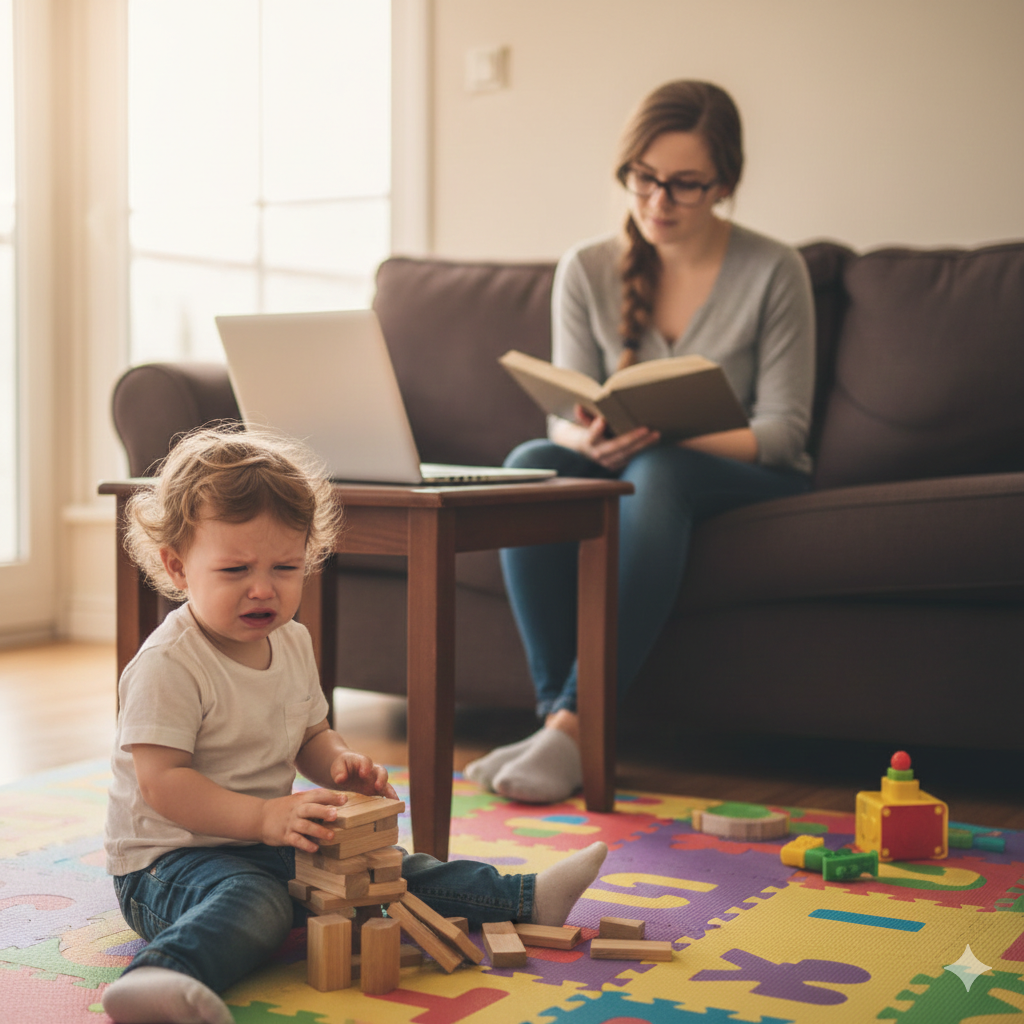
“You’re Not Even Listening!”
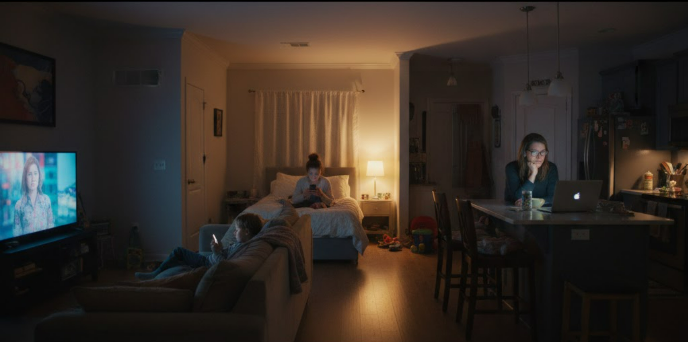
It starts with a whine, a tug on your sleeve, a barrage of questions while you’re answering emails or cooking dinner. You nod. Maybe murmur “uh-huh.” But your eyes are elsewhere. Your thoughts are somewhere else entirely.
And then comes the outburst: “You’re not even listening!”
If you’re honest, you weren’t. It’s not that you don’t care. You love this kid more than your own sleep or sanity.
But life is busy, distractions are constant, and there’s only so much bandwidth in a day. Surely they can wait until the meeting’s over, the baby’s changed, the groceries are put away?
They can. But something is lost each time they’re unheard. Something deeper than missed details or half-finished stories.
Listening isn’t just a communication skill. It’s the soil where trust, identity, and connection grow. And for your child, the experience of being truly heard is often their first and most powerful experience of being truly loved.
This article is about that. About the hidden, healing, formational power of listening. About how presence shapes personality. And about how, in a world of noise and distraction, you can make listening your family’s superpower.
Listening Is How Children Learn They Matter
From the time they can speak, kids are telling us who they are. Through stories. Tantrums. Dreams. Questions. Most of it sounds random, even silly.
But every time they speak and we lean in, a message is written for them telling them “You matter. Your voice matters. You’re worth my attention.”
Every time we half-listen, the opposite message creeps in. You’re interrupting. You’re not as important as what I’m doing. You’ll get love when you’re easier to deal with.
We don’t mean to say that, but kids hear what we live, not just what we say.
This doesn’t mean you must drop everything every time your child speaks. But it does mean your listening should be intentional, regular, and real. Ten minutes of full attention matters more than two hours of distracted multitasking.
Kids don’t need constant validation. They need consistent presence.
When a child knows their words have weight, even if they’re messy, even if they’re silly, they begin to believe they have weight.
That’s the foundation of confidence. And that confidence carries them into every future relationship.
Listening Builds Trust, and Trust Builds Virtue
Kids aren’t just learning how to talk. They’re learning how to relate. And listening is their first experience of reciprocity. Of give and take. Of empathy.
When you listen patiently to your child’s fears, they’re more likely to share them next time.
When you listen without jumping to fix, they learn how to problem-solve.
When you listen with your eyes, not just your ears, they learn that emotions are safe to express.
This is how trust grows. And trust is the bridge over which discipline, teaching, and formation can actually travel.
A child who trusts that they’ll be heard is far more open to correction. More open to conversation. More open, period.
They don’t need to fight for space. They don’t need to exaggerate to get your attention. They already have it.
When you listen, you earn the right to lead.
Why Listening Is So Hard (and What to Do About It)
Let’s acknowledge the obvious: parenting is loud. And exhausting. And relentless. If it were just one kid telling one story once a day, this would be easy.
But it’s not. It’s background noise. Endless monologues about Minecraft or make-believe. Complaints. Repeats. Nonsense. Drama.
And meanwhile, your inbox is growing. The dishes are piling. Your brain is already fried.
So how do you listen when you feel like tuning out?
Start small. Start with eye contact. One full minute of undivided attention, eye to eye, face to face, goes further than you think. It signals, I’m here. You’re seen.
Then, practice the pause. When your child is speaking, don’t rush to respond. Don’t rehearse your reply. Just be there. Let the silence stretch. That’s where connection lives.
Set aside structured time. A bedtime check-in. A walk after dinner. Ten minutes after school with no screens and no distractions. It doesn’t have to be long. Just consistent. Predictable. Safe.
Finally, limit multitasking. Not always, but sometimes. Let them see you put your phone down. Let them catch you choosing them over productivity. That memory will outlast anything on your to-do list.
Listening Isn’t Agreement, It’s Attunement
One of the biggest parenting myths is that listening means giving in. That if you let them finish the rant, the whine, the irrational story, you’re somehow surrendering authority.
Not true.
Listening doesn’t mean agreeing. It means attuning. It means entering their world for a moment, seeing what they see, feeling what they feel.
You can empathize with a child’s frustration about bedtime without changing the rule. You can validate the feeling without validating the behavior.
Say things like:
“That sounds really disappointing.”
“I get why you’re frustrated.”
“Thanks for explaining. That helps me understand.”
These aren’t loopholes. They’re bridges. They soften the wall between you and your child. They invite cooperation over resistance.
When kids feel heard, they’re less likely to scream. Less likely to sneak. Less likely to shut down. Because their voice was honored, even when the answer was no.
Listening Shapes the Way Children View God
This one cuts deep. The way we listen, or don’t, teaches our children how to imagine God. If their experience of authority is cold, dismissive, distracted, or reactive, it colors their image of divine love.
But when we listen patiently, especially when it’s hard, we mirror something sacred. We show that real authority bends low. That love makes space. That silence can be safe.
This doesn’t mean we need to be perfect. But it does mean our tone matters. Our timing matters. The way we treat their rambling and their repetition and their emotional spirals, it all forms them.
Want your child to believe that God listens? Start by showing them what it looks like when you do.
When Listening Leads to Insight
Sometimes the thing your child says last is the most important.
After the rant about school or the monologue about recess or the third retelling of the argument with their sibling, then comes the confession. The question. The cry for help.
But you only get there if you stay with them. If you hang in. If you nod through the nonsense so they can finally land on what matters.
Kids often test your presence before they reveal their heart. They need to know you won’t cut them off. That you won’t correct before they finish. That you won’t judge them for being messy or dramatic or unsure.
So let them talk. Even when it’s circular. Even when it feels pointless. Because deep down, they’re not just communicating information. They’re communicating trust. And when that door opens, it’s sacred ground.
Listening Without Fixing
One of the hardest habits to break as a parent is the urge to fix.
Your child starts crying, and you want to calm them. They start ranting, and you want to correct them. They share a problem, and you immediately offer a solution.
But fixing too fast shuts the door. It sends the message: Your problem makes me uncomfortable. Let me make it go away. And slowly, they learn: don’t bring it up. Don’t be vulnerable. Don’t bother.
Instead, try just being with them in the tension. Nod. Mirror. Clarify. Ask, “Do you want advice or just someone to listen?” You’ll be amazed how often they say, “Just listen.”
They don’t need you to solve everything. They need to know they’re not facing it alone.
Listening Forms Conscience, Not Just Compliance
A child who’s always told what to do becomes obedient. But a child who’s invited to reflect becomes discerning.
When you listen well, you model internal dialogue. You show that thoughts and feelings deserve exploration. That values can be named. That choices can be weighed.
Ask reflective questions:
“What do you think was going on in your heart when that happened?”
“What do you wish you had done differently?”
“How do you think your friend felt when you said that?”
These aren’t lectures. They’re invitations. They help your child slow down, notice, and respond with maturity.
Over time, they internalize your voice. Your tone becomes the template for their conscience. And that inner voice will guide them far beyond your presence.
Listening Builds Generational Trust
Kids don’t stay little. They become teens. Then adults. And one day, they’ll choose whether or not to keep talking to you.
The habits you build now, the pauses, the eye contact, the questions, the calm responses, they lay the groundwork for later.
When the stakes are higher. When the conversations are more awkward. When they need to confess something hard or ask for advice or simply feel safe in your presence.
Listening now opens the door for listening later.
It builds a legacy of relationship, not just obedience. And when your child is old enough to choose who they confide in, who they trust, who they lean on, you want to be that person.
Not because you earned it through perfection. But because you were there. Patient. Attentive. Willing to listen even when you didn’t have all the answers.
Your Listening Forms Their Voice
Children don’t just learn to speak by talking. They learn to think. To argue. To process. To hope. And every time they speak to a parent who listens, they grow more confident in using their voice.
They learn that they can express pain without being dismissed. That they can ask questions without being shamed. That they can form opinions and still be loved.
This matters more than you think. Because the world won’t always affirm them. Teachers, coaches, bosses, even peers will misunderstand or criticize or minimize.
But if your home has taught them that their voice matters, they’ll carry that strength into every room they enter. They’ll know how to speak. How to listen. How to relate.
Because they learned it first in your kitchen, your car, your bedtime rituals. In every little moment when you chose to hear them fully.
Listening Is Love in Action
You can’t give your child perfect circumstances. You can’t control their decisions, protect them from every wound, or ensure they’ll grow up grateful and grounded.
But you can listen.
You can offer them the gift of being fully heard, without interruption, without correction, without distraction.
You can make space for their voice, even when it’s inconvenient. You can receive their thoughts, even when they’re scattered. You can hold their heart, even when it’s messy.
And in doing so, you give them a gift greater than advice or praise or instruction. You give them love.
Because in a noisy, fast-moving world, the power of listening might be the loudest declaration of love your child ever hears.