The Modern Digital Tug-of-War
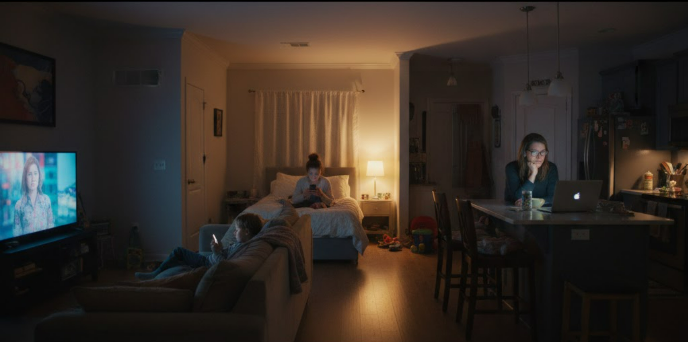
In homes across the country, families are quietly locked in a familiar struggle: parent versus screen. This isn’t the dramatic, knock-down-drag-out kind of war, but a quiet erosion of time, attention, and relationships. You know the look, your child glued to a screen while you repeat yourself for the third time. Or that tug in your gut when dinner passes in silence because everyone is lost in a glowing rectangle. It’s easy to feel overwhelmed. The devices are smarter, faster, and more enticing than ever. They’re relentless. And they’re designed to be. But we are not helpless, and this isn’t a hopeless fight.
Parents today are caught between the fear of being too strict and the guilt of being too lenient. Many of us feel like we only have two options: become the screen police or wave the white flag. But there is another path, one that doesn’t involve constant conflict, but also doesn’t involve surrender. It starts with reclaiming your role as the adult in the room. Not by asserting control for control’s sake, but by offering your kids something better: a vision of life that’s full of real connection, purpose, and presence. A life where screens have a place, but not first place.
This article will walk you through how to set screen time boundaries without triggering drama or defensiveness, while building long-term habits of self-regulation and self-respect. Because our goal isn’t simply to restrict screen time. Our goal is to form people. And that means leading the digital life of your family with clarity, steadiness, and a bit of humor along the way.
Remember Who You Are
You are the adult. Not the enforcer of arbitrary rules, not the killjoy who ruins fun, and definitely not their tech buddy. You’re the one who sees the bigger picture, the one tasked with forming habits and building character. That doesn’t mean you need to micromanage every digital moment, but it does mean you need to lead.
Screens aren’t neutral. They are engineered to hook attention and reward distraction. Without limits, even the most balanced kids can become irritable, inattentive, and disconnected from real life. When you set boundaries around screen use, you’re not punishing them. You’re protecting the parts of them that matter most, their attention, creativity, emotional regulation, and ability to relate to others.
But leading well doesn’t require yelling, power struggles, or endless negotiations. It means staying calm when they push back. It means holding the line with consistency. And it means being courageous enough to say, “No, not right now,” even when that’s unpopular. Our kids may resist, but deep down they need to know someone is steering the ship. Someone who loves them enough to lead.
Set the Standard Before the Battle
The worst time to make a rule is in the middle of a meltdown. If your child is already protesting, begging, or halfway through an episode, your new rule is going to feel like a personal attack, not a thoughtful boundary. That’s why the smartest move is to get ahead of the chaos.
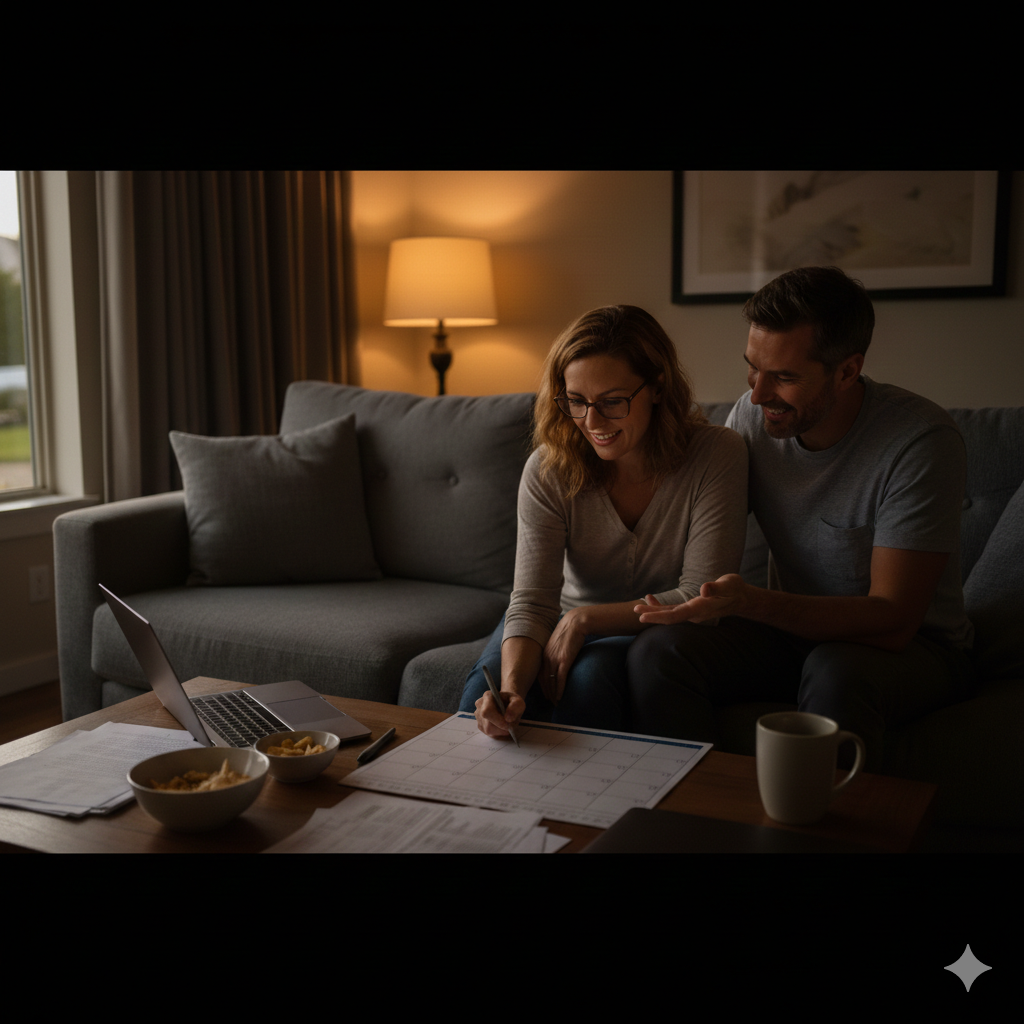
Call a family meeting, not a scolding session, but a real conversation. Let them know this isn’t about punishing anyone. It’s about helping everyone. Explain that screen time has gotten a little out of balance, and the goal is to make room for the things that matter: sleep, play, meals together, time outside, focus during schoolwork, and plain old conversation.
Then set your screen plan. Make it specific. Think: no phones during meals, no screens in bedrooms, homework first, screen-free evenings twice a week, or gaming only on weekends. Tailor it to your family rhythm, but keep it simple and repeatable. Write it down. Post it somewhere visible. Refer to it when needed.
The key isn’t harshness, it’s clarity. When your expectations are clear and known ahead of time, you won’t need to argue every single time. That reduces tension and builds trust. Kids learn best when they know what to expect and why it matters.
Be Consistent but Flexible
Once your screen plan is in place, it’s time to stick with it. Consistency is what transforms rules into habits. But consistency doesn’t mean you become a robot. It means you’re stable, reliable, and willing to adapt when the situation calls for it, without letting the whole structure collapse.
Let’s be real. Life isn’t perfectly predictable. There will be moments when a rule needs to be bent. Maybe your child needs to stay up late for a group project. Maybe a friend calls to FaceTime after your normal cut-off time. These aren’t betrayals of your boundary. They’re moments for reasonable flexibility. But be clear: this is an exception, not a new rule.
When you flex with purpose, you show your child how mature adults make decisions. You model prudence, not panic. The problem comes when every boundary is up for debate, every rule is softened by negotiation, and every “exception” becomes the new norm. That’s when trust erodes and the rule becomes meaningless.
So flex when needed, but do it wisely. Hold the line when it matters. And above all, let your consistency build security. When your kids know what to expect, and know that you’ll follow through, they feel safer, even if they protest in the moment.
Offer Better Replacements
Taking something away without offering a better option never ends well. If screens are gone but nothing fills the space, your child is going to feel restless, bored, and tempted to sneak around your rules. That’s why screen limits should always come with an invitation into something better.
The good news? That “better” doesn’t have to be elaborate. It can be simple, everyday life. But it needs to be rich with connection, movement, creativity, and real contribution. Invite your kids into the kitchen with you. Ask for help fixing something. Go for walks. Read aloud. Build something out of wood. Start a puzzle. Play cards. Do Saturday chores together with music blasting.
The point isn’t to entertain them. It’s to help them rediscover that life outside the screen is actually meaningful. It has texture. It takes effort. But it also satisfies in a deeper way. When kids experience real presence, shared time, shared work, shared laughter, they begin to feel less dependent on digital stimulation.
And when they’re bored? That’s okay, too. Boredom is the birthplace of creativity. It forces the brain to work, the imagination to spark, and the body to move. Don’t be afraid of it. Embrace it. Just be present enough to guide them out of it if needed.
Keep the Long Game in View
All of this, setting boundaries, offering structure, modeling discipline, it’s not about short-term wins. It’s about forming a future adult. One who can navigate the noise of modern life with some sense of direction and control.
That’s why it’s worth the effort to establish good habits now. Yes, it takes time. Yes, you’ll have to repeat yourself. But every time you calmly reinforce the rules, every time you offer a better alternative, every time you choose connection over control, you’re building something that lasts.
You’re teaching your child that freedom is earned through responsibility. That relationships matter more than entertainment. That silence and stillness aren’t enemies, they’re gifts. That boredom isn’t to be feared, but explored.
It’s a long road. But it leads somewhere good. And the further down it you go, the more your child will internalize the limits you once enforced. They’ll begin to set some for themselves. That’s the goal: not just obedience, but ownership.
Lead Like a Grown-Up
In the end, parenting in a digital world isn’t about winning arguments or locking everything down. It’s about showing up with a steady hand, a clear head, and a sense of purpose. You don’t have to be perfect. You just have to be present. Not every moment needs to be managed. But the direction of your home? That’s your job.
When you lead screen time with confidence and care, your kids may not thank you today. But they’ll benefit tomorrow. Because what you’re really offering them isn’t just less time on a device, it’s more time becoming who they’re meant to be.
So hold the line. Adjust when needed. Invite them into the richness of real life. And don’t forget to laugh along the way. You’re not just limiting screens. You’re raising humans.
And they’re watching how you do it.