When “Fair” Starts a Fight
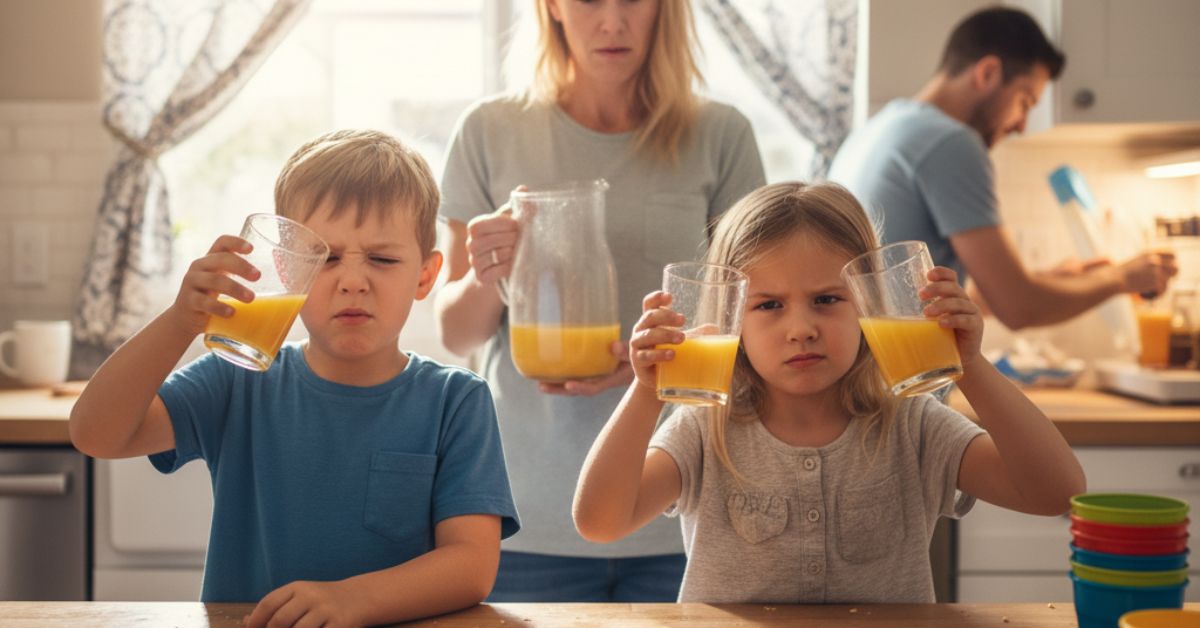
If you’ve ever handed out two scoops of ice cream and watched both kids squint at each other’s bowls before tasting their own, you know the power of “fairness.” It’s almost mystical.
You pour drinks, cut brownies, or hand out privileges, and instantly, there’s a fairness audit happening in real-time. “He got more!” “That’s not fair!” “She had the iPad longer!”
And before you can explain yourself, the room erupts into mutiny.
Fairness, in many homes, has become the gold standard of peacekeeping. Equal gifts, equal praise, equal time. But there’s a secret that seasoned parents learn the hard way: equal isn’t always just.
In fact, treating every child exactly the same can actually fuel sibling rivalry, not calm it.
Why? Because fairness isn’t about sameness but about understanding. Each child is a different human. Different temperament. Different needs. Different strengths and struggles. Parenting them well doesn’t mean balancing a scale; it means knowing them deeply and giving them what helps them grow.
In this article, we’ll dismantle the myth of fairness and rebuild a framework rooted in win-win thinking, individual respect, and relational trust. Because sometimes, loving one child more right now is the most loving thing you can do for everyone.
The Fairness Trap – How Equal Treatment Backfires
It’s natural to crave peace, especially when managing multiple kids. And in the short term, equality often feels like a shortcut to harmony. But beneath the surface, equal treatment often creates competitive comparison rather than contentment.
Children quickly equate “same” with “loved.” So, when a sibling gets a different bedtime, reward, or privilege, they assume they’ve been shortchanged. This sparks jealousy and breeds insecurity.
Ironically, the attempt to be scrupulously equal can lead to kids keeping score and mentally logging every minute of screen time or every ounce of praise. Rather than focusing on their own behavior and development, they become hyper-aware of perceived inequities.
What’s worse, this mindset can train them to seek validation through external comparisons, a habit that can stretch far into adulthood. If they learn to measure their worth by how they stack up to others, you’ve unknowingly planted the seed of lifelong rivalry, not just with siblings, but with classmates, co-workers, and friends.
Fairness must be reframed, not as mathematical sameness, but as intentional responsiveness. The question isn’t, “Did I give each child the exact same?” but, “Did I give each child what they need to flourish?”
The Covey Lens – Applying “Win-Win” to Family Life
Stephen Covey’s Habit 4 Think Win-Win, is usually applied to business or negotiation. But it’s perhaps most powerful in the home, especially among siblings.
Win-Win doesn’t mean everyone gets the same prize. It means everyone walks away feeling valued and understood. In a family, this translates to recognizing each child’s unique context and helping them win on their own terms, not by copying their siblings’ path, but by being seen, heard, and coached in the way they most need.
When one child gets more time with Dad because they’re going through anxiety, that’s not favoritism. That’s care. When another gets an earlier bedtime due to needing more sleep, that’s not injustice. That’s wisdom.
Thinking win-win invites you to treat your kids as individuals within a family, not as identical units under a one-size-fits-all policy. It replaces rivalry with relationship.
Different Kids, Different Needs – The Case for Customized Parenting
Consider two children in the same family. One is outgoing, high-energy, and thrives on structure. The other is sensitive, introverted, and needs more flexibility to process. If you gave both the same expectations, tone, and consequences, one might feel crushed while the other runs wild.
Responsive parenting means customizing your approach, not just your rules, but your tone, timing, and methods of discipline.
It might mean doing different things;
Giving one child advance notice about transitions, while the other thrives on spontaneity.
Offering one more hands-on help with school while letting another work independently.
Correcting one in private, but speaking directly and firmly to another who can handle it.
This isn’t coddling. It’s strategy. It’s seeing your children not as a collective, but as individuals in formation. And when each child feels uniquely known, the need to compete for equal treatment fades.
Explaining the “Why” – Building Trust Through Transparency
When fairness gets questioned, as it inevitably will, the solution isn’t defensiveness. It’s clarity.
Instead of hiding your decisions or defaulting to “because I said so,” try narrating your logic in terms of need, not favoritism.
Examples:
“I’m helping your brother more with homework this week because he’s falling behind. You’ve been managing really well.”
“She got more screen time today because you had a friend over earlier.”
“He went to the concert because it’s his favorite band. When your favorite artist comes to town, we’ll do the same.”
These explanations shift the frame. Kids begin to understand that choices aren’t made to reward or punish, but to serve what matters most in that moment.
Transparency doesn’t eliminate every jealousy. But it builds emotional safety, which is the antidote to comparison. Kids who trust your heart won’t always like your decisions, but they’ll learn to live with them.
How to Affirm Without Fueling Competition
Praise is a powerful tool, but also a dangerous one. If not wielded wisely, it can ignite sibling comparison. “Why did she get a high-five?” “You didn’t say anything when I did that!”
To avoid this, make your praise specific and separate. Focus on the behavior, not the person. Instead of, “You’re so smart,” try, “I noticed you stuck with that math problem even when it was hard.”
Affirm each child individually and privately when possible. Public praise can sometimes backfire, especially if one child is feeling unseen. Don’t force everyone to celebrate a sibling’s win on cue. Instead, cultivate an atmosphere where celebration is a byproduct of security, not pressure.
Most importantly, don’t compare. Avoid phrases like “Why can’t you be more like your sister?” or “Your brother never acts this way.” These words leave bruises that linger for years.
Love isn’t a pie. One slice for someone else doesn’t mean less for you. That truth must be lived, not just taught.
Handling Jealousy When It Flares
Even in the most emotionally intelligent families, jealousy will surface. Instead of suppressing it, engage it. Jealousy is a signal not of sin, but of insecurity. A jealous child is saying, “I feel unseen or unsure of my place.”
Respond with empathy. “Sounds like you’re feeling left out.” “I can tell that upset you.” Then affirm their worth without minimizing the other’s win. “Your feelings make sense. You matter to me just as much.”
Later, when emotions cool, revisit the moment. “When your brother got that new bike, it stung a little, huh? Let’s talk about what’s really behind that.” Sometimes the real issue isn’t the bike—it’s fear of being forgotten.
When jealousy is met with presence, not punishment, it becomes a bridge—not a bomb.
Conflict is Inevitable—And Valuable
Sibling rivalry isn’t just normal. It’s useful. It’s where kids learn to navigate competition, empathy, boundaries, negotiation, and forgiveness all in a relatively safe environment.
Your job isn’t to eliminate conflict but to coach through it. When fights erupt, resist taking sides or jumping in immediately. Let them try to solve it first.
Then ask questions:
“What happened from your point of view?”
“What do you think your sibling was feeling?”
“What’s a fair solution now?”
Guide them, but don’t fix it for them. Over time, they’ll develop not just peacekeeping skills, but peacemaking muscles—the ability to restore relationships, not just avoid tension.
Why Your Attention Is the Most Contested Resource
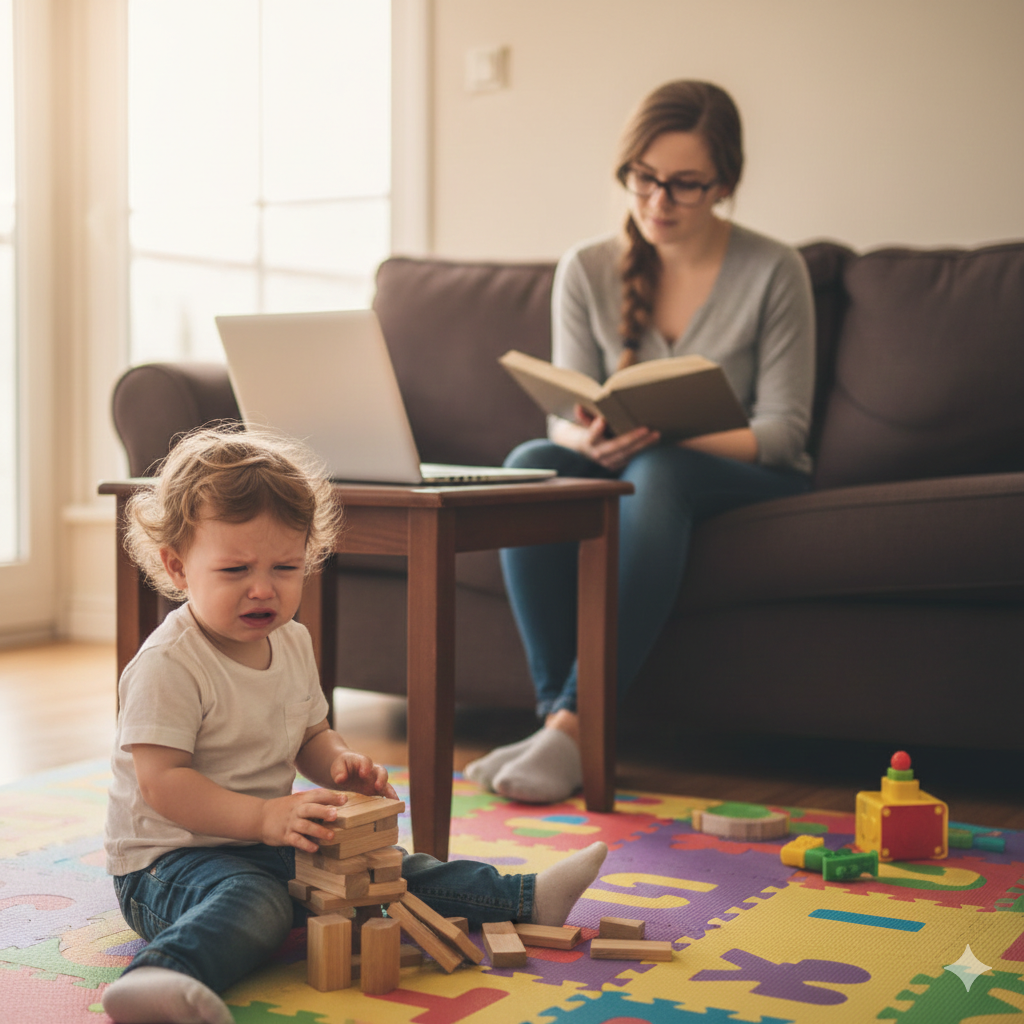
More than toys or privileges, what kids often compete for most is your attention. They don’t just want your approval. They want your eyes. Your energy. Your delight.
When attention is scarce or consistently directed at one child due to crises or needs, siblings feel neglected. That’s when rivalry intensifies.
To combat this, create intentional rhythms of one-on-one time. Even 15 minutes of focused interaction like reading, walking, playing, talking can refill a child’s emotional tank.
Let them know: “This is your time. I’m all yours.” No phones. No multitasking.
You don’t need to be equal in minutes. You need to be intentional in presence. When each child feels seen, their urge to compete fades.
The Long Game – What Fairness Really Looks Like at 25
Fast-forward twenty years. Your children are adults. They’ve gone their separate ways—different careers, different cities, different values perhaps.
What will bind them then?
It won’t be the memory of perfect fairness. It will be the memory of belonging. They’ll remember that their parents didn’t treat them all the same, but they loved each one fully, fiercely, and uniquely.
They’ll laugh about the times one seemed to get more and realize: “Yeah, but I got what I needed too.” That clarity is only possible when love isn’t measured by comparison, but by connection.
Raising siblings with this lens isn’t easy. But it’s worth it. Because you’re not just raising individuals. You’re cultivating a family culture—one that can weather differences, resist resentment, and celebrate each other’s wins without losing your own.
That’s fairness. Not equal. But deeply, unshakably just.