The Friends We Keep, and the Ones Who Keep Us
Every parent has had that moment , your kid starts acting a little off. A new attitude, strange words, unexplained confidence (or insecurity). And then it hits you. It’s not a phase. It’s a friend.
Friends shape our kids. That’s not a theory. It’s gravity. You don’t rise above your closest five friends , you sink or soar with them.
Their jokes become your kid’s humor. Their habits become your kid’s norm. Their worldview seeps into your kid’s assumptions about right and wrong.
And let’s be honest , peer influence doesn’t wait until high school. It starts in kindergarten and snowballs from there.
So if we care about character, we better care about company.
But here’s the challenge: you can’t force friendships. You can’t build a bubble, and you can’t pick their posse forever.
What you can do is shape how they choose, why they choose, and who they become in those relationships.
This isn’t about fear. It’s about formation. It’s not “ban bad friends.” It’s “build a better filter.” Because we’re not just raising likable kids.
We’re raising future spouses, coworkers, citizens , people who will either lift or drag the world they touch.
Let’s talk about how to raise a kid who can navigate friendships with wisdom, courage, and conscience.
Peer Pressure Is Real , And That’s Okay
We hear the phrase “peer pressure” and instinctively clutch our rosaries. But not all peer pressure is bad. In fact, it’s how most of us learned not to eat glue or wear socks with sandals.
Kids are wired to adapt to their environment , to fit in. That instinct can be a gift if the environment is virtuous.
When your child is surrounded by peers who speak kindly, work hard, or pray without irony, those habits rub off. That’s good pressure.
But when the tone shifts , gossip, rebellion, laziness , that same instinct turns toxic. The pressure to belong trumps the desire to be good.
And here’s the twist: most bad peer pressure isn’t overt. It’s silent. It’s the look that says “you’re so weird” or the laugh that makes kindness feel cringe.
That’s why virtue formation must happen early and often. You can’t immunize your kid from every bad influence, but you can build an immune system.
One that knows the difference between popularity and integrity. When they know who they are, they’re less likely to become whoever their friends expect.
Don’t Fear the Crowd , Teach Them to Lead It
Some kids follow. Others dominate. But many just drift , adapting to whoever is loudest. If we don’t teach them to lead their peers, someone else will take the wheel.
Leadership in friendship doesn’t mean being bossy or popular. It means holding the standard. It means being the one who says, “That’s not cool,” even when everyone else laughs.
It means walking away when it would be easier to stay , or staying when someone else is hurting and everyone walks away.
That’s not natural. It’s trained.
You train it by celebrating moral courage. “Hey, I noticed you didn’t laugh at that joke. That took guts.”
You train it by naming the small wins: choosing a different table, sticking up for someone left out, turning off a show a friend wanted to watch.
These are the squats and push-ups of character. Unseen by the world, but they build a moral spine.
And you train it by asking hard questions: “What do your friends bring out in you?” “Would you be proud of that joke if I had heard it?” Not to guilt them , but to teach them to reflect, not just react.
Friendship Is a Mirror , Help Them Look Closely
Friends reflect who we are , or who we want to be. Sometimes that’s inspiring. Sometimes it’s revealing.
A wise parent helps their child notice patterns. Not in a paranoid way, but with loving clarity.
“Hey, I’ve noticed that when you spend a lot of time with Liam, your attitude shifts. Have you noticed that?” or “You’re always more relaxed after hanging out with Sofia. She seems like a good influence.”
You’re not dictating. You’re discipling. Helping them pay attention to how friendships form them.
Make it a habit to talk about qualities in friends, not just the fun. Ask questions like:
Who do you feel most like yourself around?
Who challenges you to be better?
Who drains you, and who fills your cup?
These questions teach your child to prioritize virtue over vibe. To value loyalty over loudness. And to recognize that a good friend isn’t just someone who gets them , it’s someone who guards them.
“But They’re Just Being Kids!”
It’s tempting to shrug off bad behavior as “normal.” But normal doesn’t mean harmless. If your child’s friends are constantly disrespectful, sarcastic, dismissive of adults, or mocking the faith , don’t ignore it.
You’re not judging kids. You’re judging patterns.
Your kid doesn’t need perfect friends. But they do need friends headed in the same direction.
That might mean helping them drift from one group to another. Or stepping in when you see red flags. Or giving them scripts for awkward moments:
“If they ever pressure you to lie to us, what will you say?” “If they make fun of someone, how can you respond without getting preachy?”
You don’t need to micromanage every playdate. But don’t check out either. The stakes are too high.
Model What You Preach , Your Friendships Matter Too
Kids watch everything. And how you talk about your friends shapes how they see friendship.
Do you vent about people behind their backs? Flake out on commitments? Stay close to toxic friends out of guilt? Your example sets their baseline.
Show them what real friendship looks like , honesty, loyalty, forgiveness, time. Let them see you show up for people. Let them hear you say “I was wrong” or “I forgive you.”
And don’t be afraid to name hard lessons from your own past. “I stayed friends with someone too long even when it wasn’t healthy.” “I regret the way I let a friend influence my choices.”
Those stories don’t make you weak. They make you wise.
When a Friendship Goes South , Teaching Grace and Boundaries
Eventually, every kid faces a friendship breakup. Maybe it’s mutual. Maybe it’s messy. Either way, it hurts.
This is a golden teaching moment.
Teach them to reflect without bitterness: “What did you learn from that friendship?” “What will you do differently next time?”
Teach them how to forgive , even if they’re not ready to reconnect. “You don’t have to be best friends again. But holding onto anger won’t help you grow.”
And teach them how to set boundaries without drama: “It’s okay to outgrow a friendship. You can still be kind without being close.”
These lessons , grace, reflection, boundaries , are far more valuable than any math test. They shape your child’s capacity for relationships for the rest of their life.
Your Home Is the Launchpad , Build a Culture of Friendship
Want your kids to value healthy relationships? Make your home a hub for them.
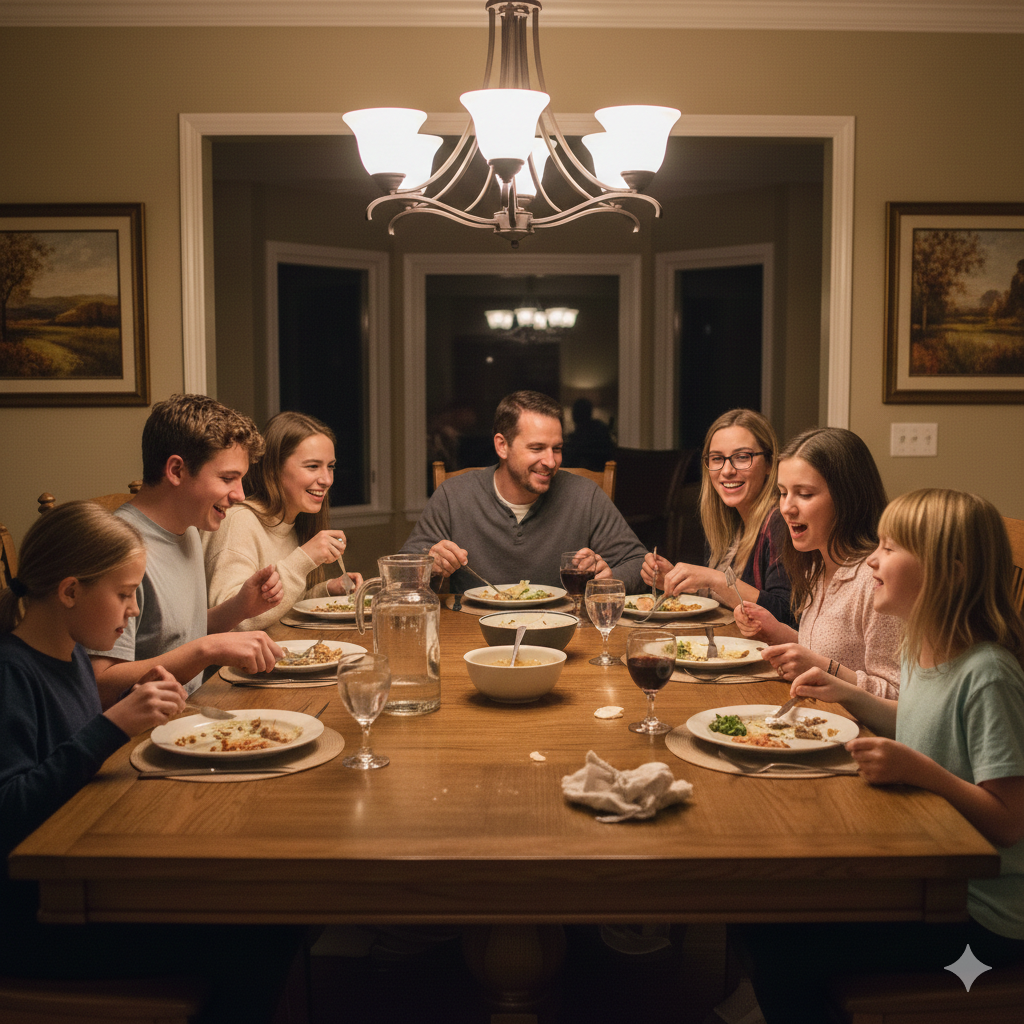
Host the friends you want them to have. Create space for group hangouts, board game nights, or even just chill afternoons. Show hospitality. Get to know their friends. Ask questions. Make snacks.
When your child’s friends are comfortable in your home, you see the dynamics firsthand. And your home becomes a formation space, not just a pit stop.
But more than that , model friendship within the family. Sibling friendship is the training ground. It’s where they learn to forgive, laugh, argue respectfully, and share space.
Your tone, your words, your affection , these create the backdrop for how they’ll relate to others outside.
The Long View: Who They Become Is Who They Behold
Your child’s friendships today are forming their habits tomorrow. Who they admire, imitate, and tolerate now will shape their decisions, beliefs, and trajectory down the line.
That’s not to scare you , it’s to focus you.
You don’t need to eliminate every bad influence. You just need to build a kid who can recognize one. And walk away if they must.
Because in the end, this isn’t about who your kid hangs out with on the weekend. It’s about who your kid becomes.
We’re not just shaping friend groups. We’re shaping future spouses, teammates, bosses, and leaders.
Give them the tools. Give them the vision. And then walk with them , messy moments and all , as they build friendships that reflect who they are and who they’re becoming.
Because your child’s future isn’t just shaped by what they do. It’s shaped by who they do it with.