The Trophy Shelf Tells a Lie
You ever seen a trophy with dust on it? Maybe it’s yours, maybe your kid’s. Maybe it says “Most Improved” or “Participation Champion” or some other glittered-up nod to showing up.
And for a moment, you feel good. He feels good. Everyone smiles. But deep down, there’s a little echo in the background: “Did I actually do anything to deserve this?”
That’s the dirty little secret about modern praise: we’ve started confusing encouragement with entitlement.
We want our kids to feel good about themselves, so we shower them with affirmation, whether they’ve earned it or not.
We skip the hard stuff, discipline, repetition, challenge, and race straight to “Great job, buddy!” before the cleats are even off.
But here’s the kicker: kids know. They know when they didn’t really win. They know when the applause is padded.
And over time, that mismatch between praise and performance breeds something dangerous, fragility.
Jordan Peterson kicks off 12 Rules for Life with a comparison to lobsters. Turns out, even crustaceans organize themselves into social hierarchies.
The dominant lobster doesn’t win because of charm. He wins because he’s proven himself. And his posture, confidence, and even biochemistry change based on those earned wins. Humans aren’t so different.
This article isn’t about raising alpha males or competitive monsters.
It’s about raising kids who understand that real self-respect is built through competence, the ability to do something well, and that respect for others is tied to recognizing skill, effort, and earned roles.
We’re raising leaders and team players, not praise addicts.
Let’s walk through how to build that competence-based confidence in your kids, and why it’s the antidote to both insecurity and arrogance.
Why Fake Confidence Crumbles Fast
In today’s world, confidence is king. But we’re trying to build it backward. We tell kids they’re amazing from day one.
We give high-fives for tying shoes, medals for attending practices, and standing ovations for just being themselves. The intention is good, affirmation is powerful.
But affirmation without formation becomes a trap.
Kids know when their work doesn’t match their reward. They feel it. So instead of building real confidence, we build impostor syndrome.
We make kids chase constant praise to maintain their image. They become praise junkies, hooked on validation, allergic to criticism, and terrified of failure.
But real confidence doesn’t come from being told you’re great. It comes from becoming great at something. Whether it’s soccer, math, piano, or mowing the lawn, it’s earned.
That process matters far more than the result. Because it trains the mind to say: “I’ve been here before. I’ve done hard things. I can figure this out.”
And when a child has that voice in their head instead of, “Am I good enough?”, you’ve given them something no participation trophy ever could.
Respect Isn’t Taught, It’s Modeled and Earned
Let’s clear up a myth. You can’t lecture your kid into respect. You can’t bribe them into it either. Respect is caught more than taught. And kids watch you like hawks.
How do you talk to your boss? How do you treat the waitress? How do you handle the coach who benched your son?
If you honor competence, discipline, and earned authority in others, your kid will start to value those traits too.
But respect also starts at home. One of the fastest ways to lose your kid’s respect is to hand them leadership before they’re ready.
When kids feel like they’re in charge of the house, the rules, the rhythm, they panic. They might act smug for a while, but underneath they’re lost.
Kids thrive when they know the adults are driving the bus. That hierarchy doesn’t crush them, it frees them. Because they get to grow into their role.
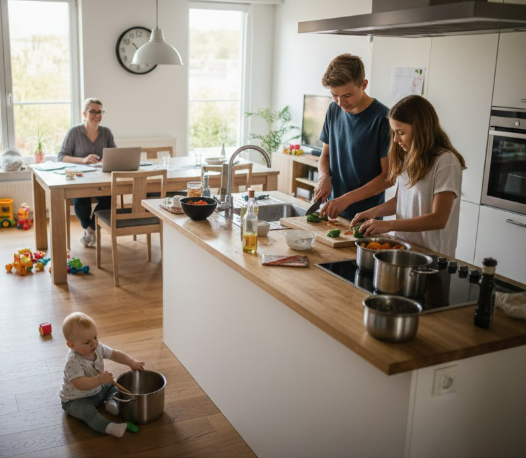
And when they’re given small responsibilities and trusted to carry them out, cleaning, babysitting, organizing, they begin to see that their contributions matter.
You want your kid to respect themselves? Give them real work. Let them earn something meaningful. And when they mess it up, don’t bail them out immediately.
Let them taste what real responsibility feels like. That’s how respect grows, slowly, deeply, and through effort.
Competition Isn’t Cruel, It’s Clarifying
There’s a parenting temptation to protect your kids from losing. To make sure every game ends in a tie, every art project gets a ribbon, and every setback is cushioned with praise.
But while your heart means well, your strategy might be sabotaging your child’s ability to face the real world.
Because in the real world? Not everyone wins. Not every effort gets recognized.
And often, the best rise, not because they’re loved more, but because they’ve worked harder, practiced longer, or just have more talent in that arena.
Letting your child lose with dignity teaches them more than orchestrating a false win ever could. It gives you a golden opportunity to help them see that failure isn’t fatal.
It’s feedback. It’s fuel. It’s the thing that reveals their weak spots and invites them to get better.
And when they do win? Let them own it. Let them feel the reward of effort, the thrill of success, and the gratitude of teammates who saw them show up and lead.
Don’t be afraid of competition. Use it to teach character. Help them shake hands after defeat and cheer sincerely for the kid who beat them.
That’s how you raise a strong competitor and a gracious human being.
The Value of Hierarchy in Family Life
Hierarchy has become a dirty word in some circles. But in a family? It’s essential. Someone needs to be the leader, the protector, the decision-maker. And that someone is you.
When kids see their parents lead with calm authority, making decisions, sticking to discipline, setting rhythms, they breathe easier. They know someone is steering the ship.
But here’s the trick: you don’t lord your authority over them. You invite them to rise into their own.
As they grow, you give them space to lead, in little sibling disputes, in chores, in helping younger cousins. You let them test the waters of leadership under your watchful eye.
And when they succeed? You praise the process. “You handled that calmly.” “You took initiative.” “You stayed patient when he was freaking out.”
That’s how kids learn that leadership isn’t about getting your way. It’s about showing the way. That distinction makes all the difference.
Why Your Kid Needs a Ladder, Not a Pedestal
The world tells kids they’re special. And they are. But they’re not finished. They’re not meant to sit on a pedestal and be admired. They’re meant to climb. To sweat. To grow.
Give your child a ladder. Not a throne. Something they can grab onto and rise. Set goals. Create structure. Celebrate progress.
When they make their bed, show up for school, shake hands at a party, notice it.
Not with over-the-top theatrics, but with genuine encouragement. “That was mature.” “You really followed through.” “I saw the way you handled that.”
And when they fall? Dust them off. Remind them the ladder’s still there. What matters is that they get back on it.
Teach Them to Respect Skill, Not Popularity
In the age of influencers and viral fame, it’s easy for kids to think admiration comes from clicks, not character. But you can reorient that.
Praise people in your own life for their competence. “That guy knows how to fix anything.” “She ran that meeting like a boss.” “Your coach knows how to get the best out of the team.”
Teach them to admire ability more than visibility. That shapes who they’ll follow, and eventually, who they’ll become.
Real Roles Build Real Identity
One of the quiet gifts you can give your child is a real role in the family. Not pretend importance. Actual contribution.
Maybe they’re the dog walker. The table setter. The sibling checker. The tech support. Whatever their bent is, name it. Praise it. Make it part of their identity.
Roles give kids dignity. When they know they matter in the daily grind, they stop seeking attention in weird ways. They start stepping up without being asked.
And that forms identity, not the shallow kind that changes with trends, but the deep kind that roots them in responsibility and purpose.
Let Them Earn It
At the end of the day, the lesson your kid needs isn’t “You’re amazing just the way you are.” It’s “You’re loved just the way you are, and you’re called to become even more.”
Competence builds confidence. Responsibility builds respect. And in a world trying to hand kids a crown, your job is to hand them a compass.
So yes, cheer them on. Encourage them daily. But make sure the victories mean something. Make sure they earn what they’re praised for.
Make sure they see that standing tall, like the lobster, is the result of effort, not entitlement.
Because you’re not just raising a kid who feels good. You’re raising a kid who does good. And that starts by teaching them that self-worth is tied not to the applause they get, but to the service they give.
Let them fail. Let them climb. Let them rise.