The Art of Getting Things Done Without Being Asked
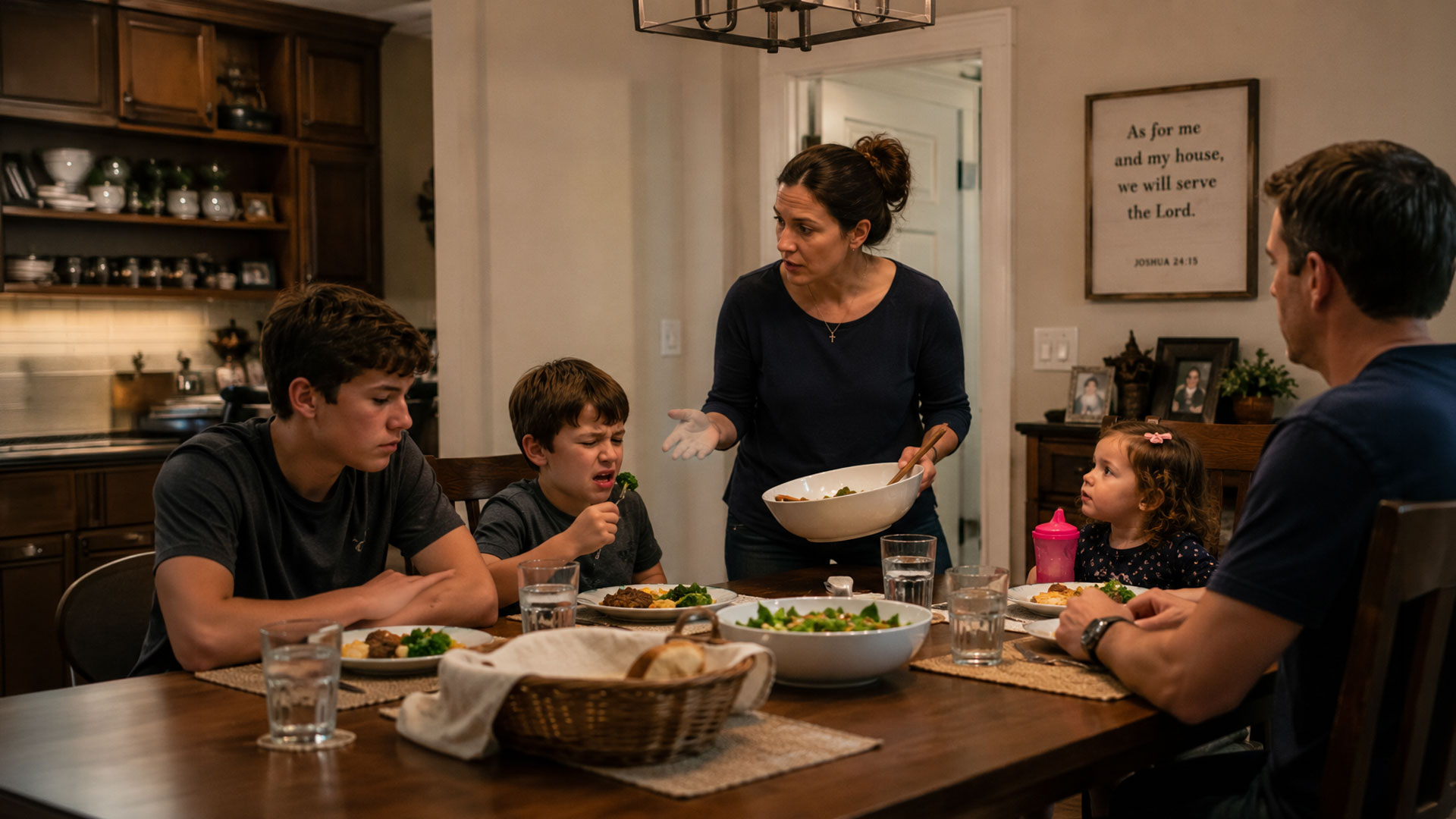
Every parent knows the exhausting cycle. You ask nicely. Nothing happens. You remind them. Still nothing. You raise your voice, use their full name, and maybe even threaten screen time. Suddenly the shoes get put away, the lunchbox is unpacked, or the trash finally leaves the kitchen.
And you think, why can’t they just do it the first time?
Here’s the honest truth: nagging might get results in the short term, but it breeds dependence in the long term. It teaches your child to move only when externally pushed, not when internally led. What you really want isn’t a chore ninja, it’s a young adult who takes initiative without reminders. Someone who notices the dishes are dirty and just does them. Someone who shows up early, contributes quietly, and solves problems before being asked.
Stephen Covey’s Habit 1, Be Proactive, offers a vision for that kind of child. It’s not about perfection or rigidity. It’s about empowering your kids to own their choices, manage their impulses, and act according to values rather than moods.
This article will help you shift from nagging to nurturing initiative. We’ll explore the mindset, habits, language, and environment that turn reactive kids into proactive young adults who surprise you by doing the right thing, without needing a nudge.
Understanding Proactivity: What It Is and Why It Matters
In Covey’s framework, proactivity is more than just being industrious. It’s about choosing your response rather than being ruled by emotion, impulse, or circumstance. It means taking responsibility, not just for actions, but for attitude.
Reactive kids blame, complain, or wait for someone else to act. Proactive kids pause, plan, and move based on principle. They don’t say, “I had to do it,” or “You didn’t remind me.” They say, “I chose this,” or “Here’s how I can fix it.”
Raising a proactive child isn’t about creating a robot who obeys. It’s about forming an individual with internal will. The goal isn’t mere compliance, it’s ownership. Proactivity is the root of initiative, the seed of leadership, and the hallmark of maturity.
Nagging and Its Hidden Costs
Nagging feels efficient in the moment. After all, repeating instructions eventually leads to action. But over time, it creates dependency and distance.
Nagged children learn to tune out the first request. They become conditioned to act only after the emotional temperature rises. More dangerously, they start outsourcing responsibility. If you always carry the mental load, remembering the library books, the cleats, the homework, they won’t feel the need to. You become their executive function. And that’s a job they’re supposed to grow into.
Beyond logistics, nagging can erode trust. It communicates, often unintentionally, “I don’t believe you’ll do this unless I badger you.” That subtle message chips away at self-confidence. Kids either rebel against the control or collapse under it. Neither path builds initiative.
The antidote to nagging isn’t silence. It’s strategy. It’s choosing different tools to build initiative from the inside out.
Vision First: Defining the Kind of Person You’re Raising
Begin, as Covey teaches, with the end in mind. What kind of adult do you hope to raise? Someone who needs constant reminders? Or someone who anticipates needs and takes action?
Articulate that vision clearly: “We’re raising someone who takes ownership,” or “We want a daughter who manages her responsibilities without being chased.”
This clarity helps you reframe daily conflicts. When your child leaves socks on the floor, the issue isn’t just tidiness. It’s identity. You can say, “You’re someone who notices what needs to be done.” That’s not a scold, it’s a mirror. It reminds them of who they’re becoming.
When you parent with that end vision, discipline becomes discipleship. You’re forming a future adult, not just fixing a current annoyance.
Habits Over Hounding: Building Rhythms That Reinforce Initiative
Children thrive on rhythm. Establishing habits takes the pressure off moment-to-moment enforcement and places it on shared expectations.
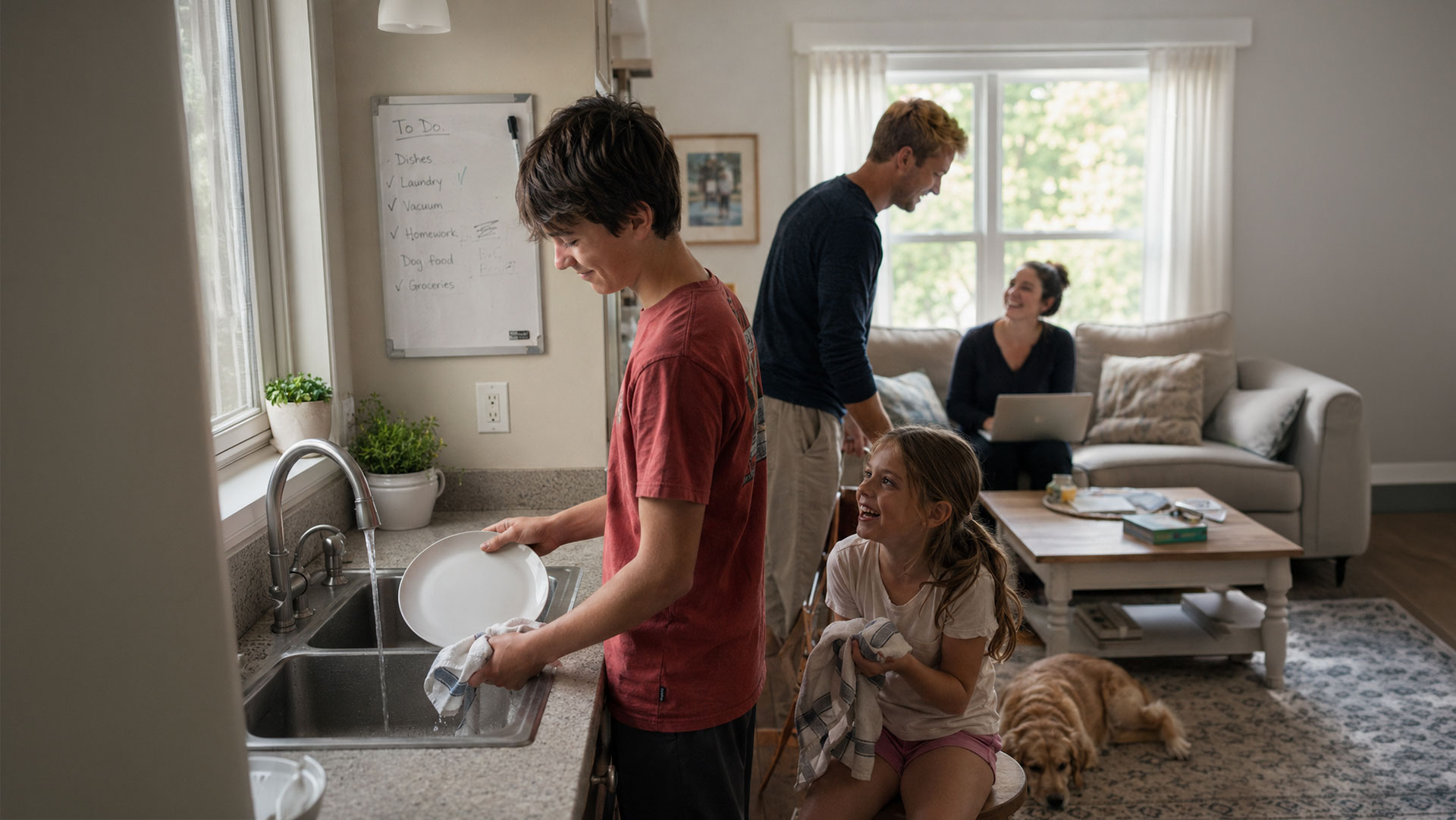
Create a family rhythm of responsibility. This might mean a chore chart, but it could also be simpler: morning and evening checklists, weekly planning sessions, or just consistent language like “What’s your plan for…”
The key is predictability. If your child knows that Sunday night includes a backpack check or that every evening ends with a five-minute room reset, they begin to internalize those patterns. Eventually, the habit becomes part of their own system, not yours.
Don’t mistake routine for rigidity. Life is flexible. But when habits are in place, initiative has a structure to grow inside. Your child begins to anticipate needs and plan accordingly, not wait to be prodded.
Language that Leads: The Script of Self-Starters
Words matter. Children internalize the language we use. So much of teaching initiative is about narrating the right story.
Instead of “Did you do your homework yet?” try “What’s your plan for homework tonight?”
Instead of “Why haven’t you fed the dog?” say “What needs to happen before we leave the house?”
Instead of “Ugh, I always have to remind you,” try “You’re someone who usually catches this. What happened today?”
These small shifts turn directives into dialogues. They invite ownership instead of resistance. They say, “You’re capable,” instead of “You’re unreliable.”
Mantras can also help. Repeating phrases like “We notice and act,” or “In our family, we start without being asked,” plants seeds. Kids roll their eyes now, but they’ll quote you later.
Modeling Matters: What You Do Speaks Louder
Children learn initiative by seeing it. If you sigh about every task or procrastinate publicly, they absorb that posture. But if you quietly take action, changing a lightbulb, picking up trash, writing a thank-you note, they witness the power of proactive living.
Let them overhear you say, “I’m going to take care of that now so it’s not a problem later.” Let them see you start a task without a nudge. Let them notice you respond to problems with a plan, not panic.
Your example becomes their template. They may not copy you today. But the blueprint is etched into their expectations for adulthood.
When They Drop the Ball: Responding to Missed Opportunities
Even proactive kids mess up. They forget, delay, or ignore. How you respond in those moments can either reinforce initiative or crush it.
Avoid swooping in. Let natural consequences do their work. If they forget their lunch, hunger teaches better than a lecture. If they fail to prep for a test, let the grade stand. Debrief afterward: “What happened? What could you do differently next time?”
Hold them accountable without shame. Focus on process over punishment. Ask questions that promote reflection: “What’s your plan for handling this next time?” or “How did it feel to be unprepared?”
Let them feel the weight of their choices, but stay on their team. This builds resilience, not resentment.
The Role of Environment: Setting the Stage for Ownership
A child’s environment can either support or sabotage initiative. Make it easy for them to succeed.
Ensure tools are accessible: hooks at their level for coats, labeled bins for school supplies, visible checklists for routines. Eliminate hidden friction.
Design shared spaces that invite participation. If your child always forgets their water bottle, keep a clean one in the car. If laundry is ignored, set a visible schedule.
Also, give them space. Hovering prevents ownership. Let them struggle a little. Let them forget. Let them figure it out.
A proactive environment says, “We believe you can handle this.” That belief becomes their belief.
Celebrate Starts, Not Just Finishes
Sometimes, we reward only the outcome, a perfect test, a clean room, a full to-do list. But initiative is about starting, not just completing.
Praise the process. “I noticed you began your project early.” “You packed your bag without reminders, awesome.” “You asked for help instead of pretending you had it all together.”
These affirmations reinforce the deeper win: internal motivation. They say, “What you chose matters,” not just “What you achieved.”
Over time, this builds confidence. Your child sees themselves as capable, independent, and responsible. They start initiating not for praise, but from identity.
Teenagers and the Shift to Internal Motivation
Initiative looks different in adolescence. Teens crave independence, but don’t always have the executive function to match. That tension creates conflict.
Here, the goal is scaffolding. Offer structure that allows choice. Instead of saying, “Do your homework now,” try, “You can study before dinner or after, what works best for you?” Instead of setting every rule, invite collaboration: “What’s a fair bedtime given your schedule this week?”
This approach respects their growing autonomy while still teaching them to think ahead. It gives them the wheel, but you’re still in the passenger seat offering direction.
Yes, they’ll crash sometimes. But they’ll learn to drive.
The Long Game: Raising Adults Who Lead Themselves
Raising self-starters isn’t about chores, it’s about character. Initiative is the soil in which every other virtue grows. A proactive young adult doesn’t just get things done, they lead, adapt, innovate, and take responsibility.
They text the professor before the deadline. They show up to work early. They apologize without being told. They anticipate needs in relationships. They solve problems rather than complain about them.
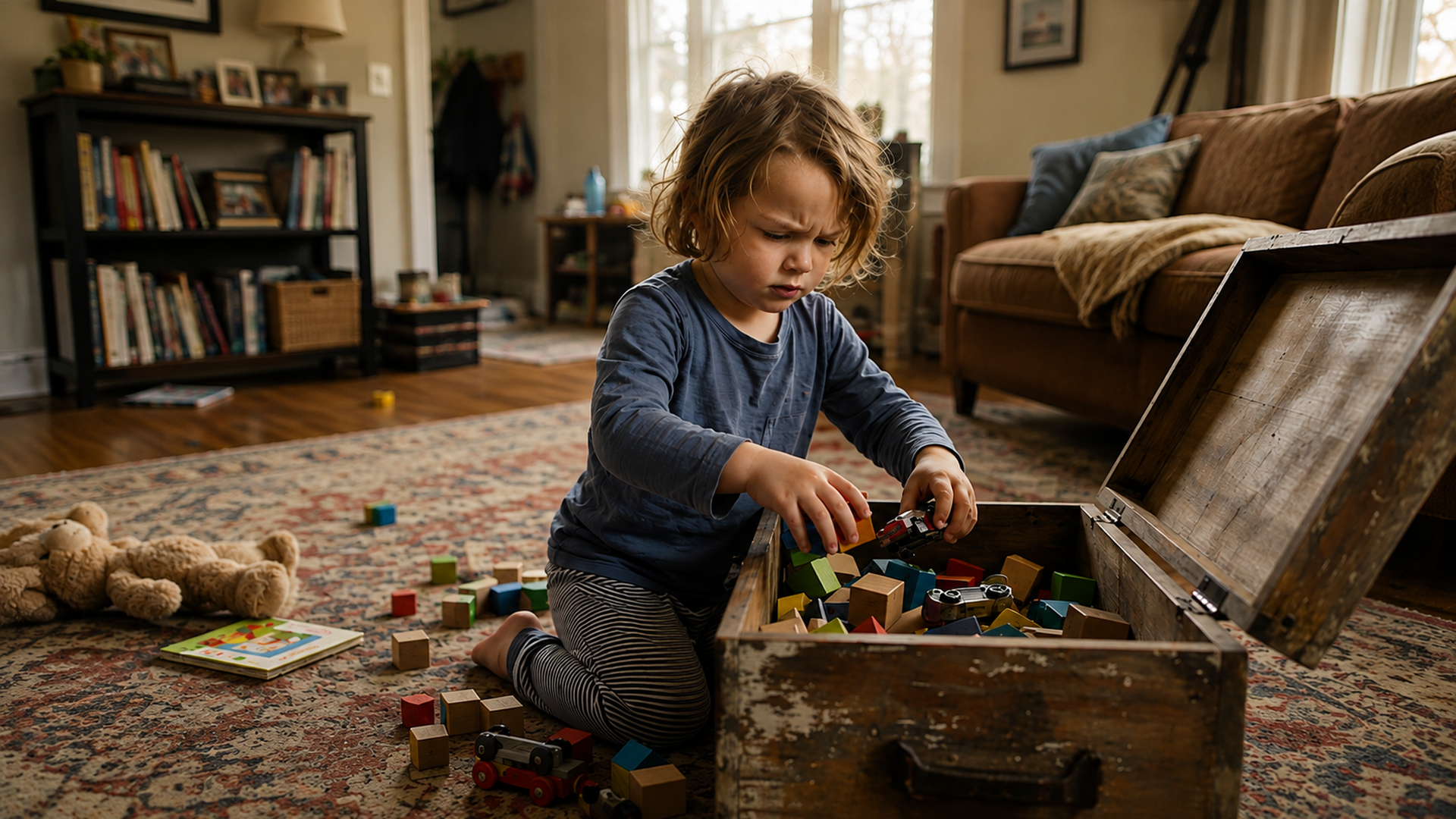
And all of this starts not in high school, but in second grade, when they clean up Legos without being asked. It starts at eleven, when they pack their soccer bag the night before. It starts at fifteen, when they plan out their study week.
You’re not raising a checklist-completer. You’re raising someone who brings order out of chaos, not because you’re hovering, but because you’ve handed them the tools and trusted them to use them.
The Gift of Being Undemanded
One day, your child will surprise you. You’ll go to remind them about something, and it will already be done. You’ll ask about a deadline, and they’ll say, “I finished it yesterday.” You’ll find their bed made, not because you nagged, but because it felt right.
And in that moment, you’ll feel a strange kind of joy, not just relief, but pride. Because initiative is more than helpful, it’s holy. It means your child is becoming someone who doesn’t wait for life to push them.
They’re leading themselves.
And that’s worth every awkward pause, every patience-stretching delay, and every moment you chose not to yell but to trust the process.