Why Nature Isn’t Just Nice, It’s Necessary
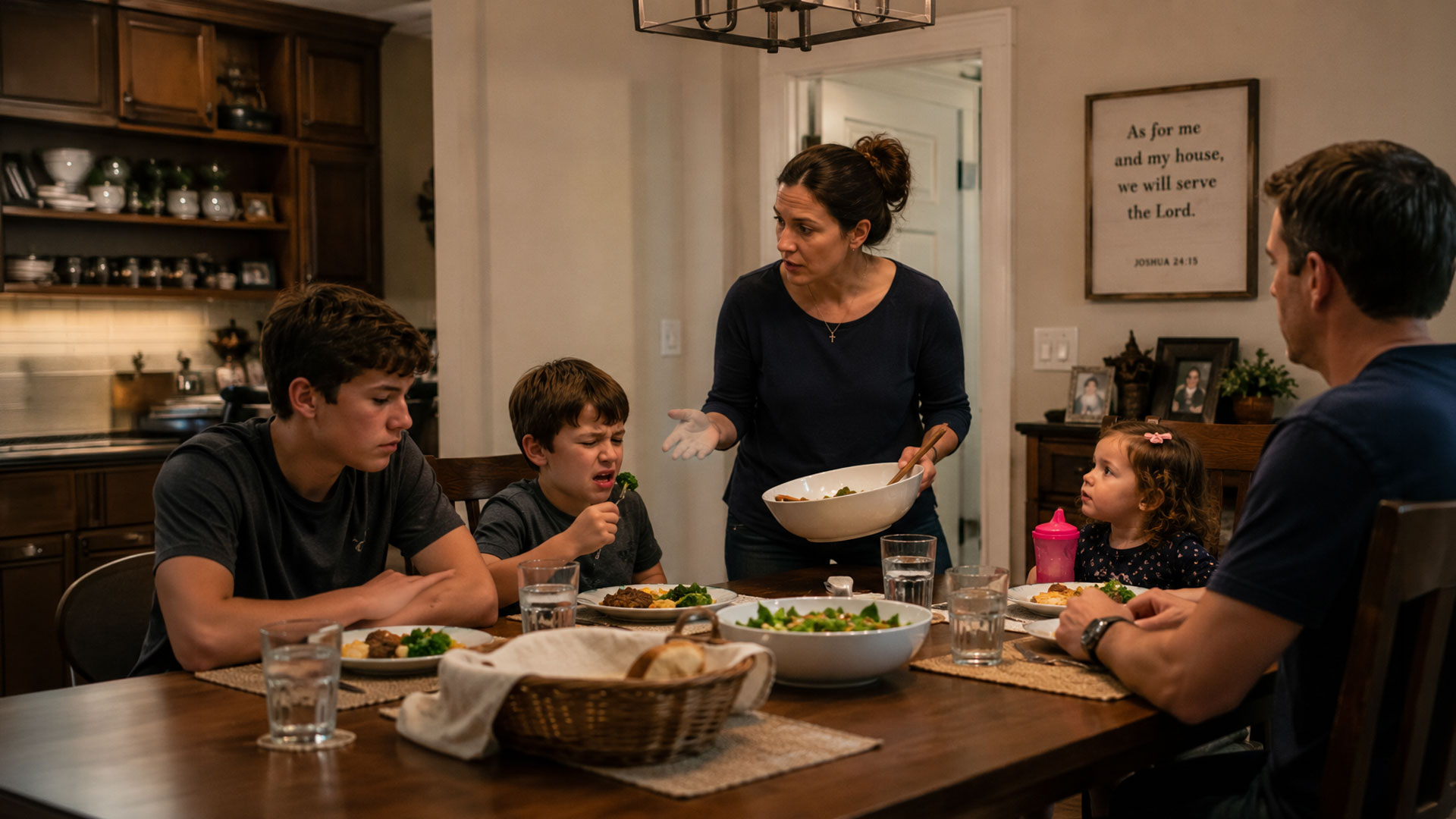
Your kid is melting down over a screen time limit. They’re pacing, whining, bouncing off the walls, or maybe they’re slumped into the couch, glazed over and sullen.
You’re trying your best. You’ve played board games, repeated the rules, even Googled “How to keep a child entertained without a screen.” Still, something feels off.
Here’s a question we rarely ask anymore: When was the last time your child played outside, long enough to get dirty, tired, or bored?
Not a rushed recess or a scheduled soccer practice. Real outdoor time. Unstructured, messy, free-range nature time.
We’ve made parenting more complicated than it needs to be. We chase enrichment, plug in learning apps, curate activities, and micromanage experiences.
But somewhere along the way, we’ve forgotten that one of the best gifts for a child’s development is already in the backyard, the local trail, or the patch of woods behind the school.
Inspired by Richard Louv’s Last Child in the Woods, this article makes a case for reclaiming micro-adventures.
Not grand family vacations or once-a-year camping trips. Just small, daily doses of wild, right where you live. Because the outdoors isn’t just background, it’s formation.
Nature raises kids in ways screens never will.
Nature Isn’t Optional, It’s Formational
Kids were built for the outdoors. Literally.
Their brains crave novelty and problem-solving. Their bodies crave movement. Their spirits crave wonder. And nature offers all of that, with no tutorial videos required.
Being outside isn’t just play. It’s formation.
It teaches risk assessment, resilience, creativity, patience, and emotional regulation. It strengthens the senses. It develops the imagination. It slows them down enough to actually notice the world and themselves.
Contrast that with digital life. Fast. Curated. Stimulating but not nourishing. Kids hop from dopamine hit to dopamine hit without ever having to engage their full self, body, mind, and spirit.
When kids spend most of their time indoors, they become fragile. Not bad. Not lazy. Just underdeveloped in all the wrong places.
They grow reactive instead of reflective.
Impatient instead of persevering.
They get stuck inside their own heads.
Nature pulls them out.
Micro-Adventures: The Secret to Consistency
When parents hear “more time outside,” we picture a full weekend hike or a camping trip we haven’t packed for. That’s not what this is about.
We’re not romanticizing wilderness survival. We’re inviting you into micro-adventures.
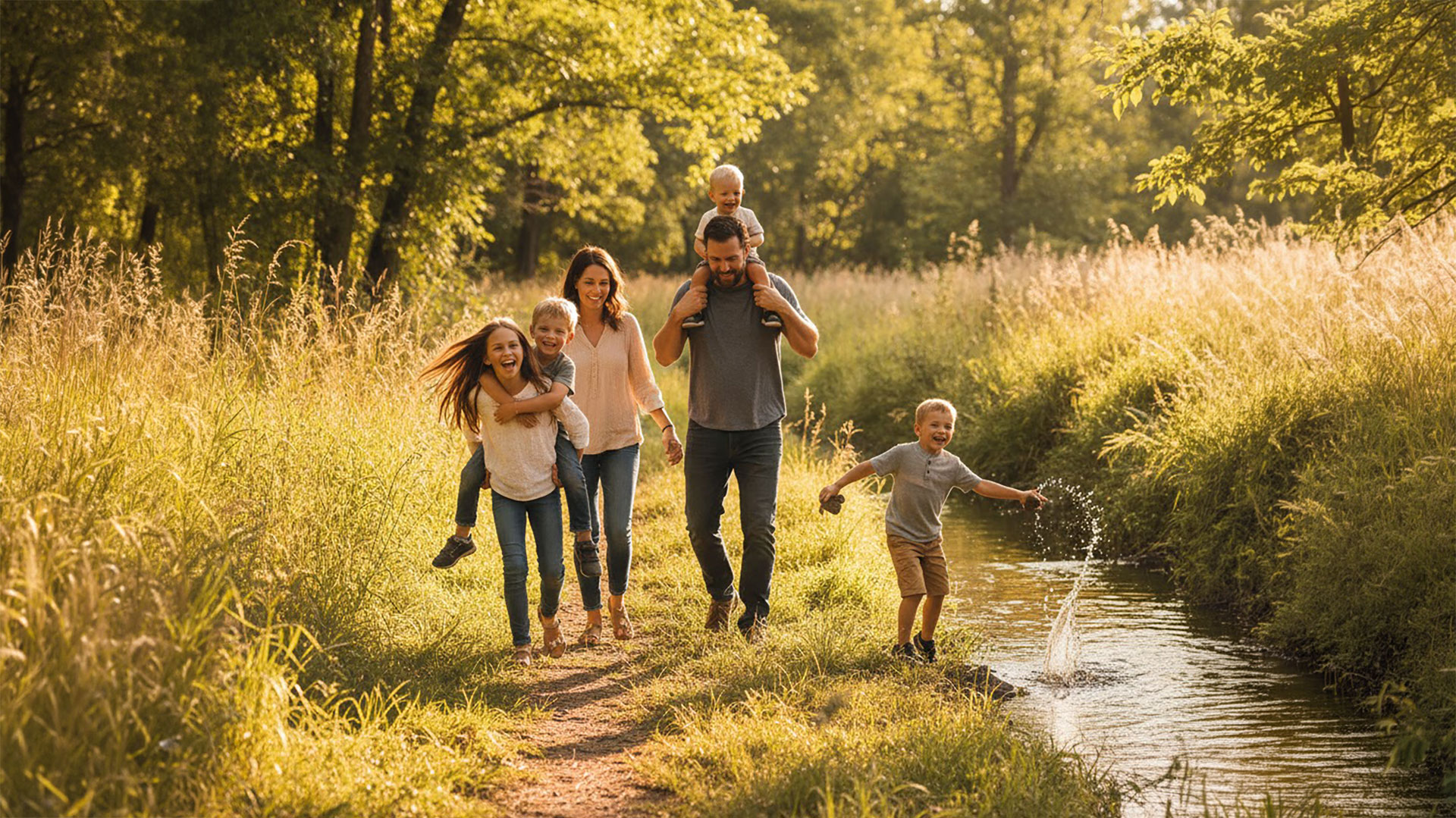
A micro-adventure is anything that’s outdoors, unscripted, and a little unpredictable. A walk through the neighborhood with no agenda. A puddle-jumping session after the rain.
An hour in the backyard with nothing but sticks and rocks. Watching squirrels in a park. Building a fort in the bushes. Climbing trees, chasing bugs, digging in the mud.
You don’t need to move to the country. You don’t need a forest. You just need space, patience, and the ability to let things unfold without adult direction.
The goal isn’t productivity. It’s presence. It’s giving your child the room to explore, discover, and recover. These moments build muscle, mental and emotional.
They cost nothing. But they yield everything.
What Nature Teaches That Screens Can’t
Nature doesn’t reward passivity. It invites action. When a child is outside, they have to make decisions.
How deep is that puddle? Can I climb this? What’s under that rock? What happens if I touch that leaf?
And with every question, they’re learning.
Nature teaches:
Problem-solving: “This stick won’t work. I need a stronger one.”
Risk management: “That log looks slippery. Should I try it?”
Patience: “I haven’t seen a frog yet. Maybe I need to wait quietly.”
Resilience: “I scraped my knee, but I want to keep going.”
Perspective: “The world is big, and I am small, but still part of it.”
None of that happens when they’re tapping on a screen. The outdoors invites full-body learning. It develops instincts, not just intellect.
And perhaps most importantly, it reconnects them to reality, something deeply needed in an age of digital overstimulation.
Risk Isn’t the Enemy, It’s the Teacher
Modern parenting is obsessed with safety. Bubble wrap, helmets, supervision, hand sanitizer. And yes, protecting our kids is part of love. But overprotecting? That’s fear pretending to be wisdom.
When we shield kids from all risk, we shield them from growth. Nature offers safe enough challenges.
Climb the tree, but watch your step. Cross the log, but balance carefully. Get muddy, and figure out how to clean up after.
These moments form judgment. Not the kind of judgment that says, “You’re bad,” but the kind that says, “I can assess a situation and decide wisely.”
Let your child take risks outdoors. Let them fall sometimes. Scraped knees heal. Shaky legs get stronger. The nervous “I don’t know if I can do this” followed by “I DID IT!” is a lesson no screen will ever teach.
Boredom Outside Is Better Than Stimulation Inside
Parents often fear boredom like it’s a moral failure. “If my kid’s bored, I’m not doing enough.” But boredom is where creativity begins. Especially outdoors.
When there’s no show, no goal, no flashing lights, kids get inventive. The stick becomes a wand, the tree becomes a castle, the dirt becomes a recipe. The brain shifts from consuming to creating.
Inside, boredom sends kids running to devices. Outside, it sends them inward, into imagination, story, curiosity.
Don’t fear outdoor boredom. Facilitate it. Protect it. Let your child complain for ten minutes, and then discover what they’re capable of when no one entertains them.
That’s how resilience is born. That’s how inventiveness grows.
Your Backyard Is Enough
You don’t need a mountain range to raise a nature kid. You just need to use what you have.
Got a backyard? Let them dig. Leave some “junk” around, wood, rope, buckets, branches. Create a yes-space where they can build and break and reimagine.
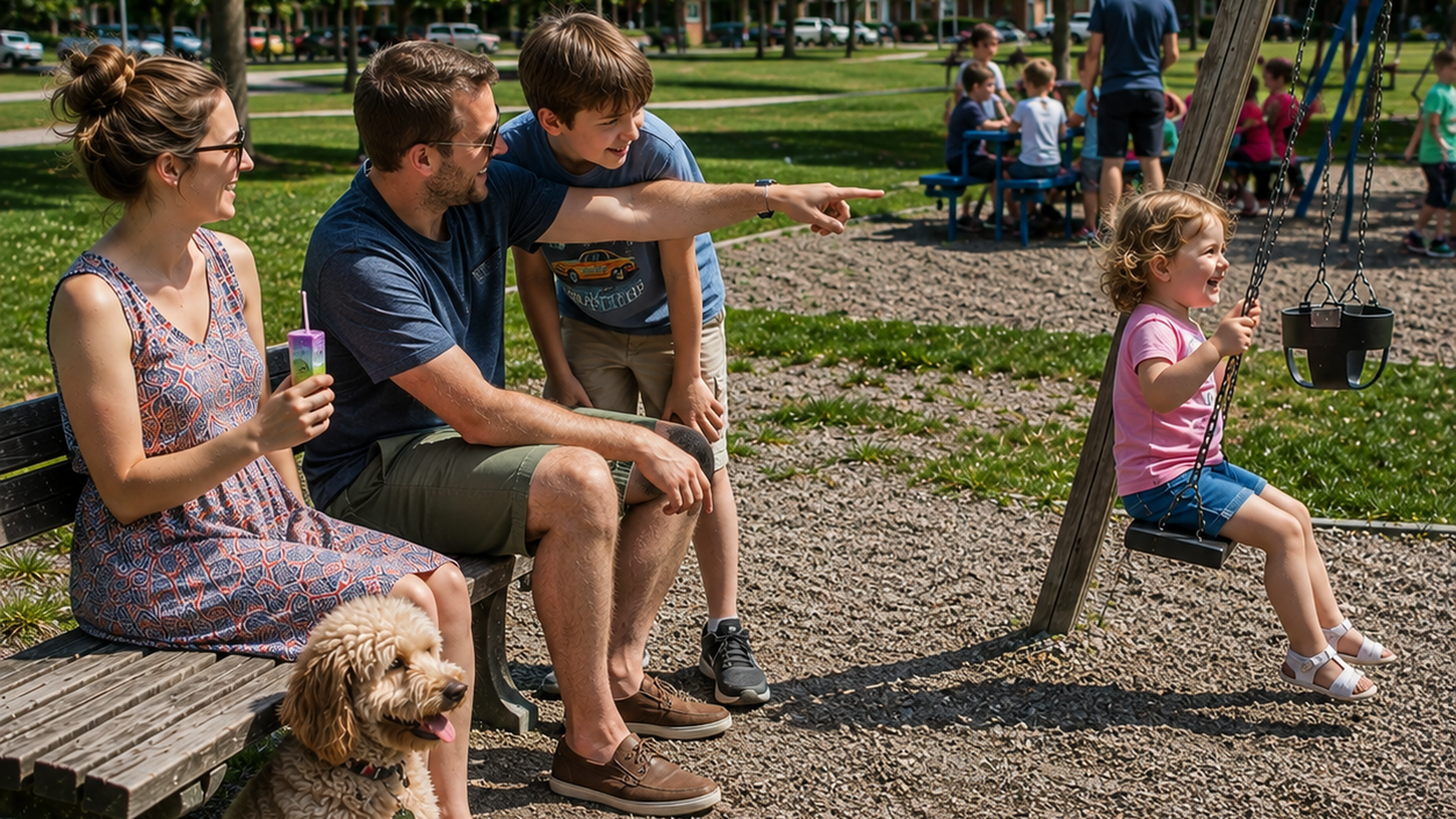
Live near a park? Visit regularly without an agenda. Let them lead. Let them dawdle. Let them notice things you’d walk past.
Even an apartment balcony can grow a plant, hold a bug jar, or be a launchpad for cloud-watching.
The point isn’t the setting, it’s the mindset. If you treat nature as sacred and accessible, your child will too.
Nature Builds Relationships
Outdoor time isn’t just good for your child, it’s good for your relationship with them. Screens isolate. Nature invites togetherness.
You don’t have to talk the whole time. Just be present. Kick a ball. Skip a rock. Walk side by side. Say less. Notice more.
Some of the best conversations happen when you’re not looking each other in the eye, just walking, side by side, letting thoughts come and go like clouds.
If your child struggles to open up, take them outside. If your relationship feels strained, take a break from talking and just explore. Nature softens the edges. It creates space where connection can re-root.
Weather Is Not the Enemy
One of the biggest lies modern life teaches is that comfort is the highest good. And so we stay in. We avoid heat, cold, rain, wind. We wait for the “perfect” day.
Meanwhile, our kids lose grit.
Let them feel the seasons. Let them sweat. Let them freeze a little. Let them run in the rain and come home with muddy socks. Teach them how to layer, how to warm up, how to recover.
Comfort isn’t the goal. Resilience is. And weather builds it better than any curated program.
Nature doesn’t have to be ideal. It just has to be real.
Making It a Lifestyle, Not a One-Off
If nature becomes another box to check, you’ll burn out. If it becomes a rhythm, it becomes life-giving.
Start simple. Set a goal: 30 minutes outside each day. Or a nature walk every Saturday. Or outdoor dinners twice a week. Build from there.
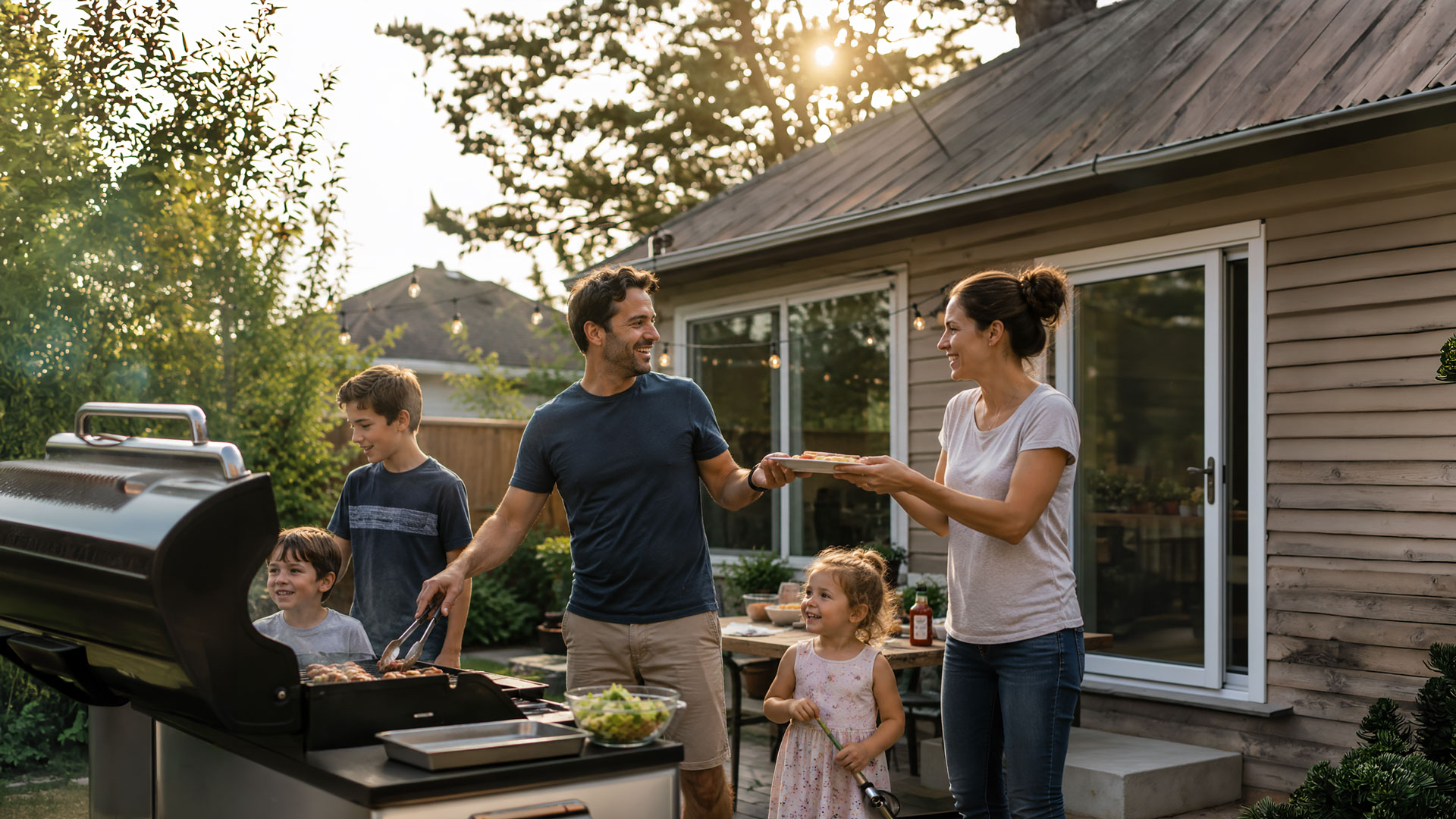
Create outdoor rituals. Morning garden check. Evening porch sit. Weekly tree climb. Monthly night hike.
The key is consistency, not complexity. Let nature be normal. Not a treat. Not an exception. But part of the day, like meals and brushing teeth and bedtime stories.
Your kids won’t remember every detail. But they’ll remember how they lived. And living outdoors, even a little, leaves a mark.
Faith, Wonder, and Nature Go Together
For families of faith, nature isn’t just beautiful, it’s sacred. It reveals the Creator. It awakens gratitude. It teaches humility and awe.
You don’t have to turn every walk into a theology lecture. But you can draw connections:
“Look how detailed this leaf is, like it was painted.”
“Did you hear how quiet it got when we stopped talking?”
“Imagine how many kinds of bugs God made. And we only see a few!”
Wonder is the beginning of worship. And nature supplies it freely.
Give your child time to wonder. Give them space to be small. That’s not belittling, it’s freeing. It teaches them they’re part of something grand, and good, and purposeful.
And that formation lasts longer than any catechism quiz.
Nature Is the Missing Piece
We try so hard to raise smart, kind, healthy, resilient kids. And we use everything, apps, tutors, therapy, extracurriculars, books. But so often, we miss the oldest tool of all: the outdoors.
It’s not a gimmick. It’s not a lifestyle trend. It’s creation doing what it was made to do: form the human person. Slowly. Daily. Wholly.
Let your backyard raise them. Let the trail parent them. Let the wind and the mud and the sunshine speak lessons you could never script.
Because in a world obsessed with optimization, kids still need space to breathe. To run. To imagine. To belong to something that doesn’t require credentials or status or performance.
And when they grow up, they’ll remember it. Not as a program. But as part of who they are.