Not Just Saying “It’s Okay”
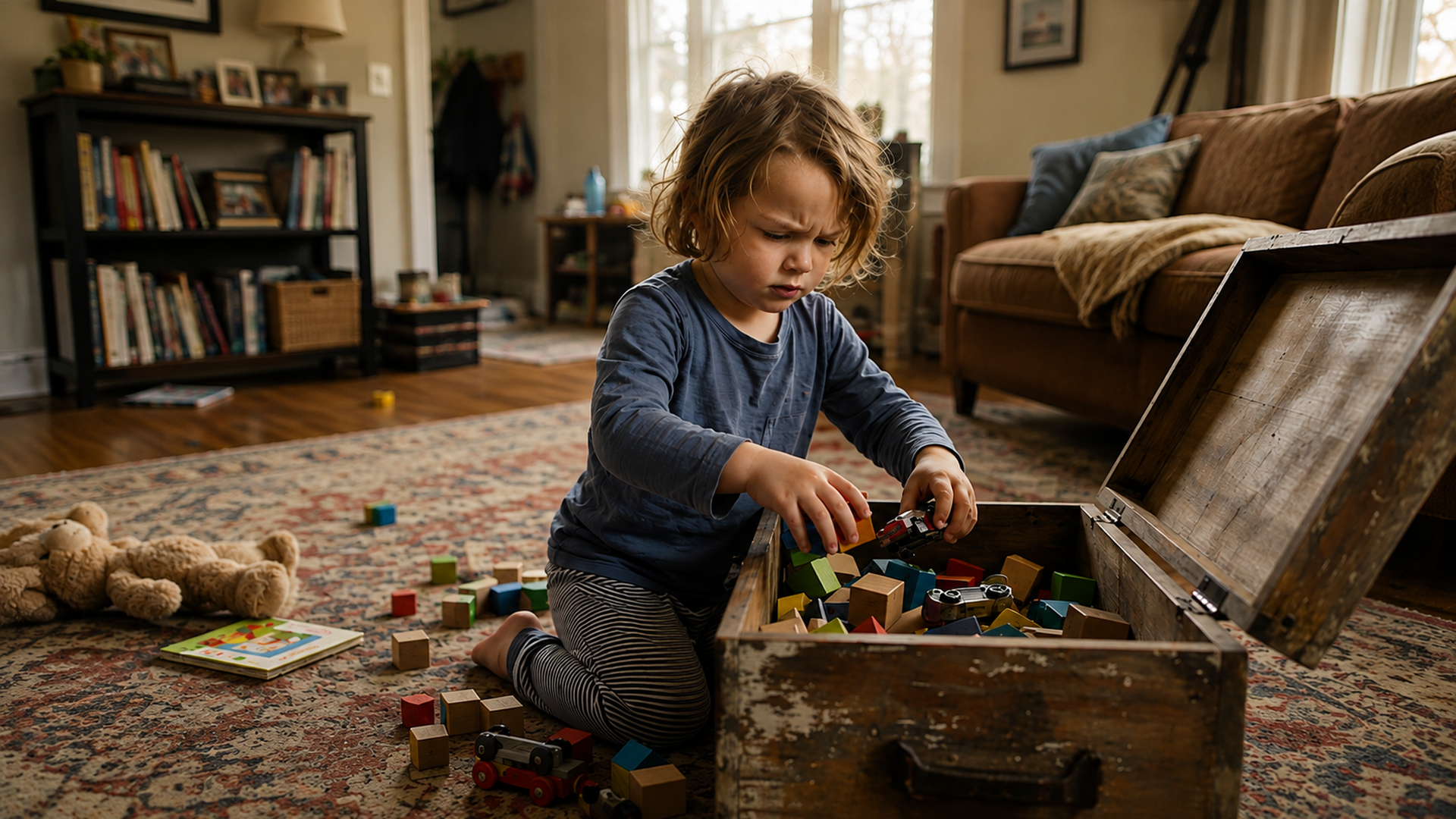
Your child knocks over their sibling’s LEGO castle. Chaos erupts. Tears, yelling, blame. You intervene, separate them, and ask for an apology.
One kid mutters, “Sorry.” The other responds, “It’s fine.” And just like that, the moment is over, except it’s not. You know it. They know it. The tension lingers. No one actually feels better.
This is the difference between saying the words and living forgiveness. Between performing peace and forming it. Between a house that functions and a home that heals.
Forgiveness isn’t just about getting along.
It’s about growing strong, together. It’s about building a family culture where mistakes don’t define us, where shame doesn’t linger, and where love stretches further than hurt.
That doesn’t happen through lectures. It happens through mercy.
This article isn’t about brushing things under the rug. It’s about looking at real family tension and learning how to forgive in a way that actually frees the heart.
Because forgiveness isn’t weakness. It’s strength. And it’s not just something we teach our kids, it’s something we live with them, day by day, in the mess and the grace of home.
What Forgiveness Actually Means (and What It Doesn’t)
Forgiveness isn’t forgetting. It’s not pretending the hurt didn’t happen. It’s not minimizing. “It wasn’t a big deal” doesn’t count. And it’s definitely not pretending to reconcile just to move on.
Real forgiveness is a choice to release resentment, even when the hurt was real. It’s a decision to detach from the need for payback.
To choose healing over harboring. To say, “You hurt me. But I won’t hold you hostage. I’m letting go, not because you deserve it, but because love is more powerful than the wound.”
That’s not a warm feeling. That’s a hard-won virtue. And it’s one of the greatest gifts a parent can pass down, not just as a lesson, but as a way of life.
Because if you want your kids to become people who love deeply, serve faithfully, and bounce back from conflict with grace, they need to see forgiveness lived. Repeatedly. Imperfectly. Authentically.
Why Forgiveness Begins with the Parent
We often talk about forgiveness as something kids need to learn. But it starts with us.
It starts when we model how to own our mistakes. When we say, “I lost my temper, and I’m sorry.” Not in a dramatic, guilt-ridden way, but in a steady, humble one.
It shows that even grown-ups fall short, and recover and also starts when we forgive them without strings.
When we correct firmly but lovingly.
When we don’t bring up past infractions every time they slip.
When we treat every day as a fresh start.
And it starts when we forgive each other, spouses, relatives, friends. Your child watches how you handle disappointment, how you speak about people who let you down, how you move on when someone drops the ball.
You don’t need to get it perfect. But you do need to let them see mercy in motion. Because kids don’t learn to forgive from speeches. They learn from example.
Mercy Isn’t Letting People Walk All Over You
Let’s clear this up: mercy isn’t passivity. It’s not permissiveness. It doesn’t mean abandoning consequences or ignoring boundaries.
In fact, mercy without boundaries isn’t mercy. It’s enabling.
Forgiveness says, “I’m letting go of my right to punish you.” But it doesn’t say, “You can hurt me again without accountability.”
Love still draws lines. Still expects change. Still protects dignity, yours and theirs.
What forgiveness does is clear the slate, so the relationship can be rebuilt. It separates the person from the offense. “I love you, and what you did hurt me. But I still believe in your goodness.”
That’s the core of mercy: seeing the other’s potential even when they’re at their worst. And choosing to act from that hope, not from the wound.
Kids Who Forgive Are Kids Who Bounce Back
A child who knows how to forgive is a child who can move forward. Who can handle conflict without collapsing. Who can love imperfect people without losing peace.
Why? Because forgiveness frees them from bitterness. It lets them be wronged without being ruined. It helps them accept that people, parents, siblings, friends, will mess up.
And when they do, it’s not the end of the relationship.
This resilience isn’t automatic. It’s taught. Practiced. Formed over time.
Help your child name their hurt. Don’t rush to fix it. Sit with it. Then guide them toward release. Not forced forgiveness. But willing forgiveness.
Say things like:
“You don’t have to pretend it didn’t hurt.”
“You can still forgive and feel upset.”
“Forgiveness doesn’t mean you approve of what happened. It means you’re choosing to let go so your heart can heal.”
That’s strength. And it grows with every messy, beautiful attempt to live it out.
Family Life Is Forgiveness School
No one hurts us quite like the people we live with. Not because they’re cruel, but because they’re close. They know our buttons. They’re always there. Their flaws rub against ours, and ours rub right back.
But that’s not a flaw in the system. That’s the design. Home is where we learn how to forgive because it’s where we have to.
Siblings offend. Parents snap. Kids rebel. Words land wrong. Moods collide.
Each of these moments is an invitation, to hold a grudge or let it go. To shame or to restore. To write the next chapter in bitterness or in mercy.
You won’t get it right every time. No family does. But the more you name these moments and walk through them together, the more your home becomes a training ground for love that lasts.
Teach the Mechanics of Forgiveness
Forgiveness isn’t automatic. It needs to be taught. Here’s how to make it a real process, not a hollow script:
Name the harm.
Teach your child to say what hurt them. Help them get specific. “She broke my LEGO tower after I asked her not to.” Naming clarifies the wound.
Express emotion.
“That made me really sad and frustrated.” Emotions don’t sabotage forgiveness, they prepare the heart for it.
Seek understanding.
What might the other person have been feeling? Why did they act that way? This step builds empathy without excusing the offense.
Decide to forgive.
“Even though I’m still upset, I want to forgive.” Make forgiveness a choice, not a feeling.
Repair.
Help the offender ask sincerely for forgiveness. Teach them to name their fault and offer restoration.
Move forward.
Don’t keep dragging up the offense. Encourage both kids (and yourself) to act like the relationship is worth restoring.
This takes time. But over time, it creates a habit. And that habit becomes a virtue.
Forgiveness Frees the Whole Family
Mercy isn’t just something you give to one person. It changes the whole atmosphere.
In a merciful family, people speak more freely. Confess more readily. Ask for help without fear. Risk trying again after they mess up.
That’s because mercy creates space. Space to be human. Space to fail and still belong. Space to grow without fear of rejection.
It also lowers the pressure. Kids in merciful homes aren’t performing for worth. They’re receiving it. And when a child feels safe in love, they’re more likely to extend it to others.
This doesn’t mean your house becomes chaos. It means your house becomes a place where everyone is learning to be a better version of themselves, without shame.
The Power of a Parental Apology
Let’s not skip this: one of the most radical, healing moments in parenting is when you ask for forgiveness.
“I shouldn’t have yelled like that. I was wrong. I’m sorry.”
That moment doesn’t lower your authority. It raises your credibility. It tells your child: Even mom and dad are accountable. Even grown-ups need mercy.
And it gives them permission to do the same. If the people they look up to can admit fault, so can they.
Every apology you model plants a seed. It tells your child that love isn’t about never messing up. It’s about always coming back to the table.
Mercy Is the Long Game
Some offenses in a family resolve quickly. Some don’t. Some take days, months, years to work through. And some kids are slower to forgive. More sensitive. More justice-driven. That’s okay.
Don’t rush the process. But don’t abandon it either.
Keep showing up. Keep naming the good in the other person. Keep praying for soft hearts, including your own.
Mercy isn’t a one-and-done fix. It’s a culture. A habit. A posture. And over time, it changes everything.
It makes the home a place where the weak are safe, where the strong become gentle, and where love outlasts the wounds.
Raise Kids Who Love Like They’ve Been Forgiven
You’re not raising saints who never sin. You’re raising humans who mess up and start again. Who hurt and heal. Who love and fall short, and try again anyway.
Forgiveness isn’t a nice add-on to parenting. It’s the core of the whole thing. Because family life isn’t about maintaining appearances.
It’s about forming the heart. And hearts are shaped in failure, in conflict, in reconciliation.
So make forgiveness normal. Make mercy the language of your home. Teach your kids to apologize sincerely. To forgive without a grudge. To believe that love still wins, even when things get ugly.
And when they grow up and face a world that will hurt them, and they will, they’ll know what to do. They’ll know how to forgive. How to heal. How to keep loving.
Because they learned it from you. And from a home where mercy was more than a rule, it was the culture.