Why Kids Resent Sacrifice (and What We Can Do About It)
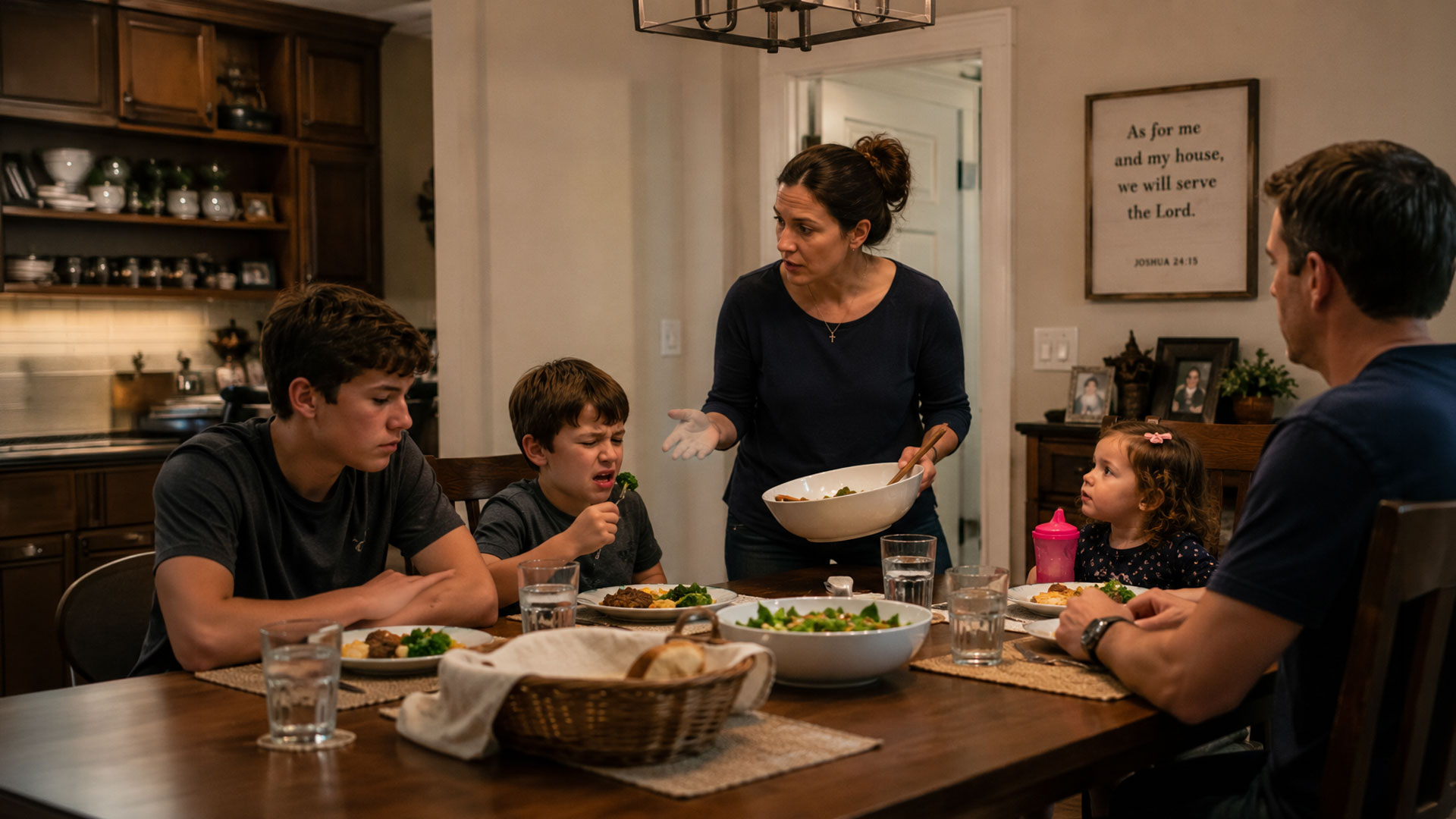
There’s a moment in every parent’s life where you ask a child to give something up, a turn, a toy, a treat, and what you get in return is an explosion. Or a sulk. Or a whine that could melt drywall.
“It’s not fair!” “Why me?” “He never has to!” And the hidden thought behind it all: “This shouldn’t be happening to me.”
That response doesn’t come from nowhere. It’s a reflection of how we, as a culture, have started to treat discomfort as injustice, and sacrifice as a personal attack.
The problem? Life doesn’t work that way. And more importantly, neither does love.
Children who grow up without learning how to respond freely to sacrifice often grow into adults who either burn out from people-pleasing or harden into self-protective shells.
Neither outcome leads to freedom. And freedom, not comfort, is the soil where virtue grows.
How can we raise kids who don’t just tolerate sacrifice, but embrace it. Not in a grim, martyr-like way, but in a strong, joyful, and deeply human way.
Because when kids stop seeing sacrifice as something taken from them, and start seeing it as something they can give, everything changes.
What Sacrifice Really Means
To a child, sacrifice often sounds like punishment. Something that happens to them. But true sacrifice isn’t about loss, it’s about love.
It’s the free decision to give something up for something greater. And like any decision, it becomes more powerful when it comes from within.
That’s the key lesson: freedom isn’t doing whatever you want. It’s choosing the good, even when it costs you something.
Kids won’t absorb that by accident. They have to see it lived, taught, and modeled in a home where sacrifice isn’t just expected, but explained.
Where giving up your seat, your toy, or your turn is part of a bigger picture: loving well.
It starts with how we frame things. Instead of “You have to let your brother go first,” try: “You get to let him go first because you’re strong enough to be generous.”
Instead of “Stop complaining and share,” try: “Let’s practice choosing what’s right, not just what feels easy.”
Language shapes reality. Over time, the words you use build a mental map in your child’s heart, one where sacrifice isn’t scary, but sacred.
The Freedom to Choose What’s Hard
Real freedom isn’t found in the absence of suffering, but in our response to it. For parents, this means helping kids stop fearing hardship and start facing it.
That begins in small ways. Let your child experience discomfort instead of immediately fixing it.
If a sibling eats the last cookie, acknowledge their frustration but resist the urge to make things “fair” every time.
If they have to wait their turn or clean up someone else’s mess, help them see that their reaction matters more than the situation itself.
This doesn’t mean neglecting justice. But it means not letting your child become enslaved to fairness. Life isn’t always fair. But your child can still be free.
Kids who learn to choose what’s right, even when it’s hard, are training muscles they’ll use for a lifetime: perseverance, patience, resilience.
And most importantly, they’re learning that their will, when rooted in love, is stronger than their circumstances.
The Role of Example: When Parents Sacrifice Well
One of the strongest forces in a child’s development is imitation. They become what they behold. So how do your kids see you respond to sacrifice?
If they see you give up a night out to spend time with them, not grudgingly, but with joy, they’re learning.
If they see you forgo a purchase because something more important matters, and you explain it, they’re learning.
If they watch you give your time, attention, or energy even when it’s hard, they’re absorbing that mindset.
This doesn’t mean pretending you love every moment of sacrifice. But it does mean showing that sacrifice doesn’t rob you of peace.
That you can feel the sting and still choose it freely. Because the real power of sacrifice is that it liberates us from being controlled by our desires.
Let them see your freedom. It’s contagious.
The Danger of a Comfort-Addicted Childhood
Modern parenting is filled with pressure to make everything smooth. Padded corners, filtered content, controlled environments.
But when the primary goal of parenting is to keep your child comfortable, you end up raising someone who can’t suffer well.
And suffering is part of life.
If your child never learns how to delay gratification, handle disappointment, or carry someone else’s burden, they will one day face a world that feels unbearably heavy.
And they won’t know why. That doesn’t mean seeking out suffering for your kids.
But it does mean not shielding them from every hard moment. It means allowing boredom, letting them lose, requiring effort, and occasionally saying, “I know this is hard, but you can do it.”
Because every time your child chooses courage over comfort, they are becoming someone stronger.
Teach Them That Sacrifice Is Love’s Language
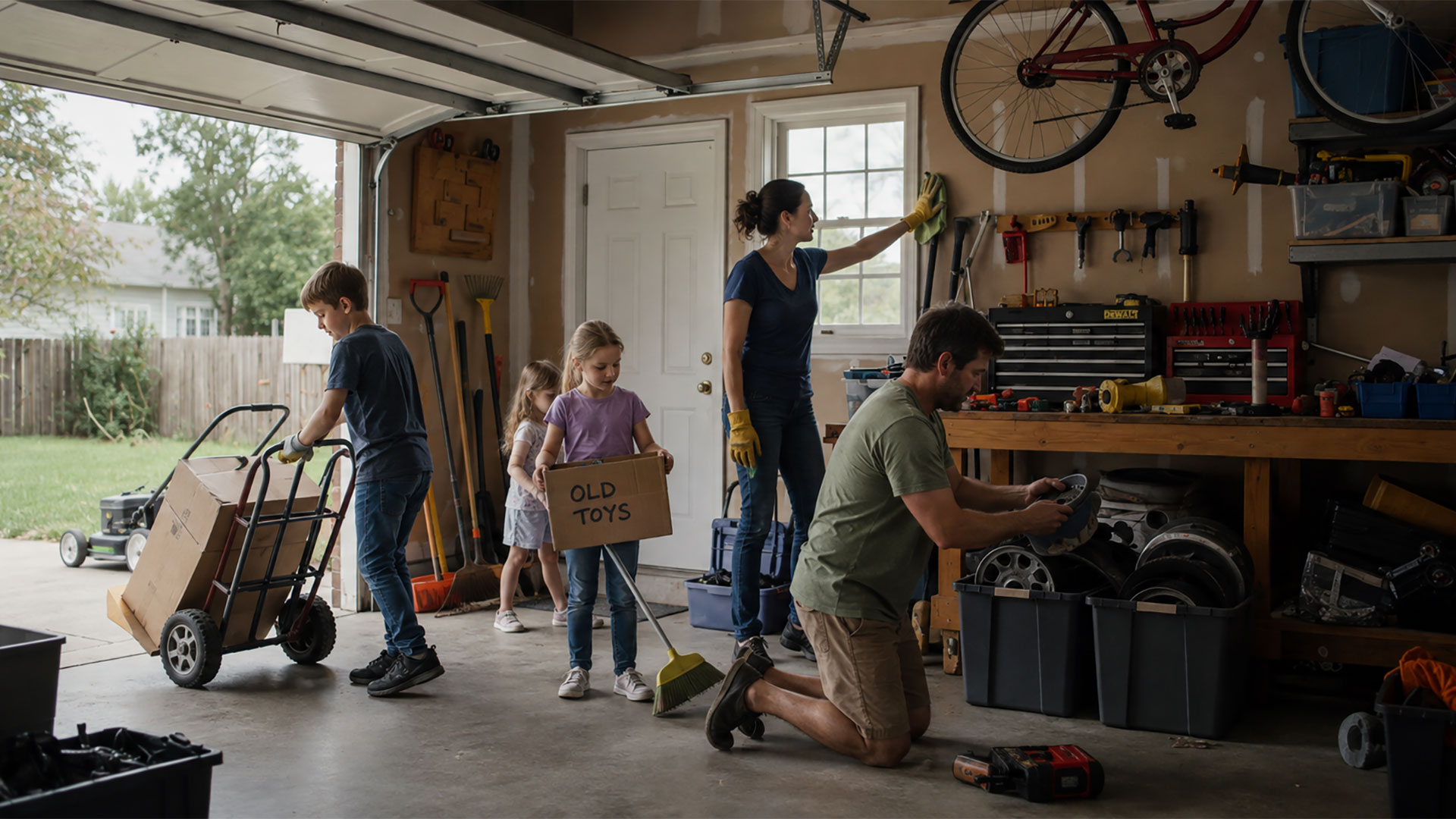
In a home where love is real, sacrifice is everywhere. You cook dinner even when you’re tired. They clean up even when they’d rather play.
Someone gives up the front seat, the last cookie, the favorite color cup. These aren’t inconveniences. They’re love-in-action moments.
Help your kids name them. When someone gives something up for another, call it what it is: love.
“Your sister let you pick the game. That was generous.”
“Dad came home early to be here. That was a gift.”
Point out the invisible moments that make a family strong. Help your kids become aware of love so they can become participants in love.
When sacrifice is framed as a beautiful offering, not just a frustrating loss, it becomes attractive. Kids start to understand that love isn’t about always getting your way. It’s about giving your best.
Reframe the Narrative of Pain
Philippe insists that freedom isn’t the absence of external struggle, but the presence of inner peace. So how do we help our children reframe hardship?
Start by narrating their moments of challenge in a way that connects to virtue.
“This is a tough moment, but you’re learning patience.”
“I know it’s not fair right now, but choosing to respond with grace makes you stronger.”
“You were tempted to lash out, but you took a breath. That’s real strength.”
These quiet commentaries help your child connect their internal struggle with a bigger story: the growth of their character. And that story is worth suffering for.
Let Them Wrestle, Then Reflect
Don’t rush to end every uncomfortable moment. Let your child struggle through a decision. Let them feel the weight of choosing between what’s easy and what’s right.
Don’t rescue them too soon. Let them find their way, even if it’s slow.
Then, reflect.
“How did it feel to share when you didn’t want to?”
“Was it hard to wait your turn today? What helped you get through it?”
Reflection cements meaning. And meaning transforms sacrifice from a burden into a choice.
Don’t Guilt, Invite
There’s a difference between making a child feel bad and calling them to something good. Sacrifice should never be a guilt trip. It should be an invitation.
When your child balks at a hard ask, don’t shame them. Invite them. “I know this is tough. I think you have it in you.” “You don’t have to do it perfectly, but you can do it generously.”
Kids rise to the level of what we believe about them. If you believe they’re capable of generosity, they’ll start to believe it too.
Celebrate the Small Yeses
Too often, sacrifice goes unnoticed. But kids need to know their efforts matter. Celebrate the small yeses.
“You gave your brother the last slice, that was big.”
“I saw you wait without interrupting. That’s a big deal.”
“Thanks for being patient when we couldn’t leave right away.”
These affirmations help build a child’s identity around virtue, not just achievement. They learn: “This is who I am. I’m someone who gives, who waits, who helps.”
And when identity and sacrifice align, kids start making those choices not out of pressure, but out of joy.
Raising Free Souls in a World of Comfort
Sacrifice isn’t something we impose on our kids. It’s something we model, name, and invite them into. Not because life is about pain, but because love is about gift.
And the more freely your child learns to give, the freer they will become.
You’re not just raising a child who can behave. You’re raising a person who can love well, even when it’s hard.
Who can offer instead of hoard. Who can serve without keeping score.
That kind of person can weather adulthood with grace. That kind of soul is rare.
And it starts with parents who aren’t afraid to raise kids who embrace sacrifice, not with a grimace, but with strength.
That’s freedom. That’s formation. And that’s the kind of parenting that lasts.